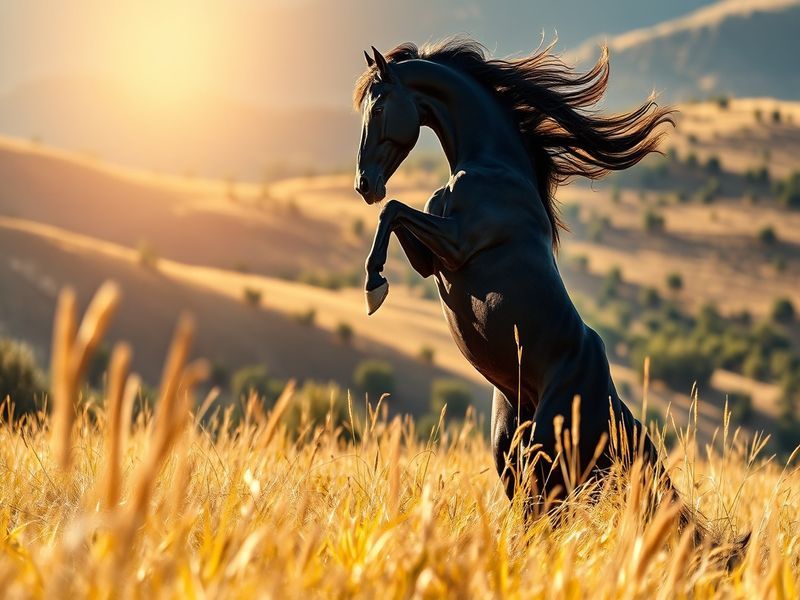
stallion
The stallion stands as a symbol of strength, freedom, and nobility across human history. More than just a male horse, the stallion represents endurance, leadership, and raw power in both the animal kingdom and human culture. From ancient battlefields to modern equestrian sports, these animals have shaped civilizations, influenced art, and even shaped economies.
Yet the stallion is more than a cultural icon—it is a living testament to biological specialization. With their muscular builds, keen senses, and dominant social structures, stallions embody the apex of equine evolution. Their role extends beyond breeding; they are athletes, protectors, and symbols of untamed spirit. Understanding the stallion requires examining its biology, historical significance, and enduring influence on human society.
The Biology of the Stallion: Strength, Instinct, and Social Hierarchy
Stallions are sexually mature male horses, typically distinguished by their larger size, thicker necks, and more pronounced muscle definition compared to mares and geldings. Their physical traits are not merely aesthetic—they are adaptations honed over millennia of natural and selective breeding. A mature stallion can weigh between 900 and 1,200 pounds, with a height ranging from 14.2 to 17.2 hands, depending on the breed.
Behaviorally, stallions are driven by instinct and social order. Unlike many herd animals, horses live in matriarchal groups called harems, consisting of one dominant stallion, several mares, and their offspring. This structure isn’t just for show—it ensures genetic continuity and protection. The stallion’s primary role is to protect the herd from predators and rival stallions, often engaging in dramatic displays of aggression or elaborate courtship rituals.
These behaviors are not random. They are deeply rooted in evolutionary biology. A stallion that fails to assert dominance risks losing his harem to younger, stronger rivals. This constant competition has shaped the stallion’s physical and behavioral traits, making them both formidable and resilient.
Key Biological Traits of the Stallion
- Muscular Build: Stallions have denser muscle mass, particularly in the neck, shoulders, and hindquarters, which enhances their power and stamina.
- Testosterone-Driven Aggression: High levels of testosterone fuel competitive instincts, territorial marking, and mating behaviors.
- Sensitive Senses: Acute hearing and vision allow stallions to detect threats from great distances, a crucial trait in open plains and dense forests.
- Strong Social Bonds: While dominant, stallions form deep connections with mares and foals, fostering group cohesion.
- Vocal Communication: Neighs, snorts, and squeals serve as warnings, mating calls, or reassurance within the herd.
From Battlefields to Breeding: The Stallion’s Role in Human History
The relationship between humans and stallions dates back over 5,000 years, beginning with the domestication of horses in the Eurasian steppes. Early civilizations quickly recognized the stallion’s potential—not just as a beast of burden, but as a warrior, a symbol, and a status marker.
In ancient warfare, stallions were prized for their speed, strength, and courage. The Assyrians, Persians, and later the Romans relied on cavalry units composed largely of stallions, which could outmaneuver slower, castrated horses. The stallion’s fiery temperament made it ideal for charging into battle, where aggression and responsiveness were critical. Breeds like the Andalusian and the Friesian became synonymous with chivalry and nobility, their images immortalized in tapestries, paintings, and epic poetry.
Beyond war, stallions played a central role in agriculture, transportation, and trade. The strength of a stallion could determine the success of a harvest or the speed of a merchant’s journey. In cultures like Mongolia, the stallion was—and remains—a symbol of freedom and resilience, central to the nomadic way of life. The Mongolian horse, though small by Western standards, is a descendant of ancient steppe stallions, bred for endurance and hardiness.
Even in modern times, the stallion’s legacy endures. The thoroughbred racing industry, valued at billions of dollars globally, relies exclusively on stallions for breeding lines that produce champions. Bloodlines such as those of Secretariat, Seabiscuit, and American Pharoah trace back to legendary stallions, their genetic legacy shaping the future of the sport.
The Stallion in Culture and Symbolism: Power, Myth, and Identity
Few animals occupy as prominent a place in human mythology as the stallion. Across cultures, the stallion embodies ideals of power, virility, and transcendence. In Greek mythology, Pegasus, the winged stallion, symbolizes freedom and inspiration, born from the blood of Medusa. The Norse god Odin rode an eight-legged stallion named Sleipnir, a creature transcending earthly limits. In Hindu tradition, the stallion is associated with the sun god Surya, representing energy and vitality.
In art and literature, the stallion often serves as a metaphor for untamed spirit or unbridled passion. Shakespeare’s Richard III famously declares, “A horse! A horse! My kingdom for a horse!”—a line that underscores the animal’s life-or-death importance in medieval warfare. Renaissance paintings frequently depicted stallions as symbols of nobility and divine favor, their muscular forms a visual testament to human aspirations of perfection.
Even today, the stallion remains a potent cultural symbol. In Western films, the lone cowboy on a stallion represents rugged individualism and frontier justice. In branding, companies like Ferrari and Porsche use stallion imagery to evoke speed, power, and prestige. The Mustang, America’s iconic wild horse, is named after the Spanish word mustango, meaning “stray,” yet it carries the spirit of the untamed stallion across the American West.
The Modern Stallion: Challenges and Responsibilities
Despite their cultural and historical significance, stallions face modern challenges that threaten their welfare and legacy. One of the most pressing issues is overbreeding. The demand for thoroughbreds and sport horses has led to an oversupply of stallions, many of which end up in auctions, neglected or sold for slaughter. This problem is exacerbated by the high cost of maintaining a breeding stallion, which can exceed $50,000 annually in upkeep, training, and veterinary care.
Ethical concerns also surround the treatment of stallions in competitive sports. While geldings (castrated males) are often preferred for their calmer demeanor, some competitions still allow stallions to compete. This can lead to dangerous situations, as stallions may become aggressive or distracted during high-stress events. Governing bodies like the International Federation for Equestrian Sports (FEI) have implemented strict regulations to mitigate risks, but controversy persists.
On a broader scale, climate change and habitat loss threaten wild stallion populations, particularly in regions like the American West, where the Bureau of Land Management (BLM) manages thousands of wild horses. Overpopulation, coupled with limited resources, has led to controversial roundups and debates over birth control and adoption programs. Conservationists argue for humane management strategies that preserve both the ecological balance and the stallion’s symbolic freedom.
Yet, there is hope. Organizations like the Wild Horse Sanctuary and the Thoroughbred Aftercare Alliance work to rehabilitate retired stallions, offering them a second chance at life. Advances in veterinary medicine, such as improved artificial insemination techniques, are reducing the need for live cover breeding, easing the burden on stallions. Meanwhile, equestrian sports are increasingly emphasizing welfare standards, ensuring that stallions are treated with respect and dignity.
Preserving the Stallion’s Legacy: What Can Be Done
- Support Ethical Breeding Programs: Choose facilities that prioritize animal welfare and genetic diversity over profit.
- Advocate for Wild Horse Protection: Push for policies that balance conservation with humane population control.
- Promote Retirement and Aftercare: Support organizations that rehome or rehabilitate retired stallions.
- Educate the Public: Dispel myths about stallion aggression and highlight their intelligence and emotional depth.
- Invest in Sustainable Practices: Encourage eco-friendly equestrian tourism and land management to protect natural habitats.
Conclusion: The Stallion as a Living Legacy
The stallion is more than a relic of the past or a trophy of the present—it is a living bridge between nature and culture, biology and symbolism. Its story reflects our own: a journey of dominance, adaptation, and sometimes, exploitation. Yet, as we move forward, we have the opportunity to redefine our relationship with the stallion, ensuring that its power is not just admired, but respected and preserved.
From the battlefields of ancient empires to the racetracks of modern-day Kentucky, the stallion has carried humanity forward. Its legacy is written not only in the annals of history but in the very DNA of human ambition. To honor the stallion is to honor the values it represents: strength tempered by wisdom, freedom balanced by responsibility, and power guided by compassion.
As stewards of this legacy, our challenge is clear. We must protect the stallion—not just as a symbol, but as a living being deserving of dignity, care, and a future as unbounded as the spirit it embodies.
For those interested in the intersection of equine culture and modern society, explore more in our Entertainment and Sports sections.