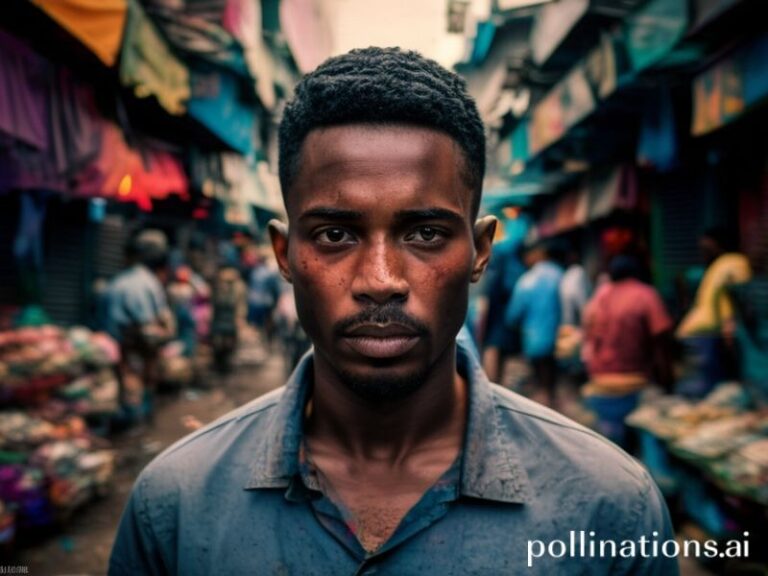
The Drama Explained: Why We Can’t Look Away
The word “drama” carries layers of meaning. In personal terms, it might describe a heated conversation or a family feud. On a global scale, drama becomes something far more complex—a tapestry of cultural clashes, political tensions, and social upheavals that define generations. From viral celebrity feuds to geopolitical conflicts, drama is not just entertainment; it is a reflection of societal values, fears, and aspirations.
This article explores the anatomy of drama in its many forms. We will examine its psychological roots, its role in media, and its impact on global discourse. By understanding drama, we can better navigate the noise of modern life and recognize when conflict serves a purpose—or when it merely distracts.
The Psychology Behind Our Fascination with Drama
Human beings are wired to pay attention to conflict. Evolutionary psychologists suggest that our ancestors relied on detecting threats to survive. Drama triggers the same neural pathways, releasing adrenaline and dopamine, which keep us engaged. This biological response explains why gossip, reality TV, and social media feuds dominate our screens.
Drama also fulfills a social function. It reinforces group norms by highlighting what is unacceptable or celebrated. When a public figure faces backlash, for example, it serves as a cautionary tale. Conversely, underdog stories—where individuals overcome adversity—inspire collective hope. These narratives are not just stories; they are tools for social cohesion.
Cultural differences further shape our relationship with drama. In some societies, direct confrontation is valued, while in others, indirect communication prevails. These variations influence how drama unfolds in media. Western audiences might revel in reality TV confrontations, whereas Eastern storytelling often prioritizes subtlety and emotional depth. Understanding these nuances helps us see drama as more than mere spectacle—it is a cultural language.
Media’s Role: Amplifying Drama for Profit and Influence
Media outlets, both traditional and digital, thrive on drama. News cycles are dominated by scandals, political feuds, and celebrity meltdowns. Social media accelerates this trend, turning minor incidents into viral sensations overnight. The 24-hour news cycle and algorithms designed to maximize engagement ensure that drama is never in short supply.
Consider the rise of “cancel culture.” What began as a call for accountability has often spiraled into performative outrage. Public figures face swift judgment, sometimes without due process. This phenomenon highlights how media amplifies drama to extremes, blurring the line between justice and spectacle. The result? A culture that prioritizes viral moments over nuanced discussion.
Yet, media is not solely to blame. Consumers play a role in perpetuating drama. Clickbait headlines and sensationalist content exist because they generate traffic. When audiences reward outrage with engagement, creators have little incentive to dial it back. This creates a feedback loop where drama becomes self-sustaining.
For a deeper look at how media shapes public perception, explore our News section, where we dissect the latest trends in journalism and digital culture.
Drama in the Digital Age: From Memes to Global Movements
The internet has democratized drama, giving everyone a platform to voice their opinions—or vent their frustrations. Social media platforms like Twitter and TikTok have turned minor grievances into global conversations. A single tweet can spark a movement, while a poorly worded post can ruin reputations.
This digital landscape has also given rise to new forms of drama. Internet subcultures clash over everything from music tastes to political ideologies. Memes, once harmless jokes, now carry political weight. The 2016 U.S. election, for instance, saw memes weaponized as propaganda. Drama in the digital age is no longer confined to personal disputes; it has become a tool for influence and power.
Yet, this democratization has its drawbacks. The anonymity of online interactions often emboldens people to say things they wouldn’t in person. Cyberbullying and harassment thrive in this environment, leaving real-world consequences in their wake. The line between harmless venting and harmful behavior has blurred, raising ethical questions about digital citizenship.
Case Studies: How Drama Goes Viral
- Kanye West’s 2020 Twitter Rants: The rapper’s unpredictable posts dominated headlines for weeks, blending personal struggles with political commentary. His unfiltered approach polarized audiences but also highlighted the power of social media as a direct communication tool.
- The 2021 GameStop Short Squeeze: A Reddit forum, r/wallstreetbets, orchestrated a stock market frenzy that pitted retail investors against hedge funds. The drama exposed flaws in financial systems and showcased the collective power of online communities.
- Barbie vs. Oppenheimer (2023): The playful rivalry between two summer blockbusters became a cultural moment, uniting fans under the #Barbenheimer hashtag. What started as a meme evolved into a celebration of cinema, proving that drama can also foster community.
Navigating Drama: When to Engage and When to Step Back
Not all drama deserves our attention. Learning to discern between meaningful discourse and empty noise is a skill in itself. Critical thinking is key—ask yourself: Is this drama productive, or is it merely a distraction? Does it challenge societal norms, or does it reinforce them?
For those who create content, drama can be a double-edged sword. While controversy may boost visibility, it can also alienate audiences. Authenticity matters, but so does responsibility. Creators must weigh the impact of their words, especially when their audience includes impressionable young people.
On a societal level, drama can be a catalyst for change. Movements like #MeToo and Black Lives Matter gained traction through collective outrage. These examples show that drama, when channeled constructively, can drive progress. The challenge lies in separating performative outrage from genuine activism.
For more insights on how to engage thoughtfully with media, visit our Analysis section, where we explore the intersection of culture, media, and society.
Conclusion: The Double-Edged Sword of Drama
Drama is an inescapable part of human existence. It entertains, informs, and sometimes even uplifts us. But it can also divide, distract, and dehumanize. The key to navigating drama lies in understanding its purpose—whether it serves a greater good or merely feeds our baser instincts.
In a world where every minor incident can become a trending topic, it is more important than ever to approach drama with a critical eye. Ask questions. Seek context. And remember that behind every viral moment is a human being—flawed, complex, and deserving of nuance.
The next time you find yourself drawn into a dramatic saga, pause and consider: Is this worth your energy? The answer might surprise you.