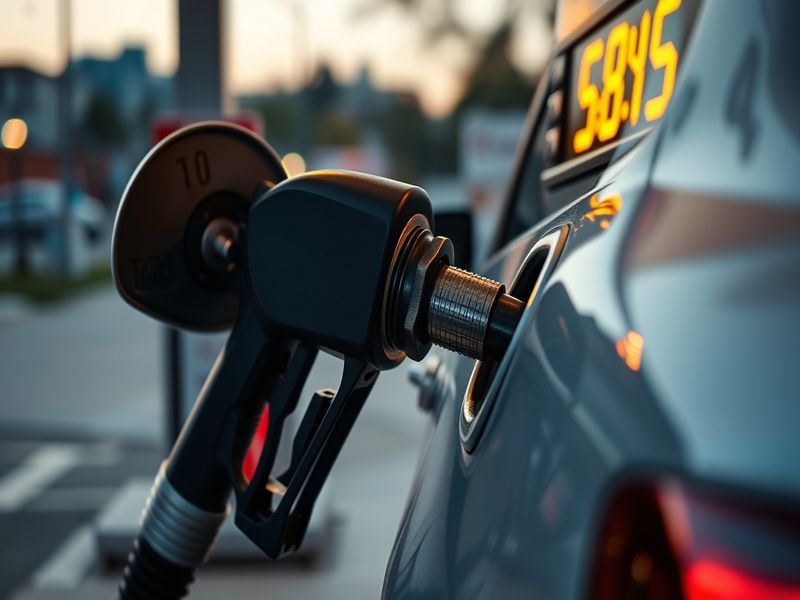
Understanding Fuel Price Trends in 2024 and Beyond
“`html
Fuel Prices: What’s Driving Costs and What Lies Ahead
The cost of fuel has become a persistent concern for drivers, businesses, and policymakers alike. Fluctuations at the pump are more than just an inconvenience—they ripple through economies, influence consumer behavior, and shape energy policies. Understanding the forces behind these price swings requires looking beyond the surface. Supply constraints, geopolitical tensions, and shifting energy demands all play a role in shaping what we pay at the pump.
Earlier this year, gasoline prices surged in several regions, catching many off guard. Analysts pointed to a combination of factors: reduced refining capacity, increased crude oil prices, and logistical bottlenecks in transportation. These pressures have made fuel a recurring headline, not just in financial news but in everyday conversations at gas stations and dinner tables.
The Role of Crude Oil Markets
Crude oil remains the backbone of fuel pricing. When global crude prices rise, gasoline and diesel costs follow closely behind. Several key factors influence crude prices:
- OPEC+ Production Cuts: The Organization of the Petroleum Exporting Countries and its allies often adjust production levels to stabilize or boost prices. Recent cuts have tightened supply, pushing prices upward.
- Geopolitical Instability: Conflicts in oil-rich regions, such as the Middle East, can disrupt production and shipping routes, creating uncertainty in the market.
- U.S. Shale Production: The U.S. remains the world’s largest oil producer. Shifts in shale output—whether increases or declines—can significantly impact global supply and prices.
- Demand Fluctuations: Economic growth in emerging markets, particularly in Asia, drives demand for oil. Even minor shifts in consumption patterns can sway prices.
In early 2024, crude oil prices climbed above $80 per barrel for the first time in months. Analysts attributed this to a combination of OPEC+ production discipline and strong demand from China’s post-pandemic recovery. While these factors are cyclical, their persistence has made fuel price volatility a defining feature of 2024.
Refining, Transportation, and Local Factors
Crude oil is only part of the equation. The refining process converts crude into usable fuels like gasoline and diesel, and refining capacity has struggled to keep pace with demand. Several U.S. refineries have either shut down or scaled back operations in recent years, reducing the nation’s ability to process crude efficiently.
Transportation costs also play a critical role. Fuel must travel from refineries to distribution centers and, ultimately, to gas stations. Rising diesel prices—often tied to freight and shipping costs—can inflate the final price at the pump. In some regions, local taxes and regulations further complicate the pricing structure.
For example, California’s strict environmental regulations require specialized gasoline blends, which are more expensive to produce. This alone can add 30 to 50 cents per gallon compared to other states. Meanwhile, states with lower taxes or abundant local refining capacity often see more stable prices.
Broader Economic and Environmental Implications
The impact of fuel prices extends far beyond the gas station. For consumers, higher fuel costs reduce disposable income, affecting spending in other areas like dining, entertainment, and retail. Businesses, particularly those reliant on transportation or logistics, face rising operational expenses. Airlines, shipping companies, and trucking fleets are often forced to pass these costs onto customers, contributing to broader inflationary pressures.
Environmental policies are also shaping fuel prices. Governments worldwide are pushing for cleaner energy alternatives, which can increase costs for traditional fuels. Carbon taxes, emissions regulations, and incentives for electric vehicles all influence the long-term outlook for gasoline and diesel. While these measures aim to reduce pollution, they can also create short-term price shocks as markets adjust.
For instance, the European Union’s ban on Russian oil imports in 2022 led to a scramble for alternative suppliers, driving up prices across the continent. Similarly, California’s phase-out of gas-powered vehicles by 2035 is expected to reshape its fuel market entirely, with potential consequences for prices and infrastructure.
What’s Next for Consumers and Policymakers
Predicting fuel prices remains an uncertain endeavor. Analysts monitor a complex web of factors, from OPEC+ decisions to seasonal demand trends. For now, consumers can expect prices to remain volatile, with occasional spikes tied to geopolitical events or refining disruptions.
Policymakers face a balancing act. On one hand, they must address energy affordability for households and businesses. On the other, they must navigate the transition to cleaner energy without destabilizing economies dependent on fossil fuels. Subsidies, strategic petroleum reserves, and investments in alternative fuels are among the tools being considered.
For drivers, the best strategy may be adaptability. Carpooling, fuel-efficient vehicles, and planning routes to minimize fuel consumption can help mitigate the impact of rising prices. Businesses, too, are exploring logistics optimizations and alternative energy sources to reduce their exposure.
The future of fuel pricing will likely be shaped by three key trends:
- Energy Transition: As renewable energy sources gain traction, the demand for traditional fuels may decline, potentially stabilizing or reducing prices in the long term.
- Technological Advancements: Innovations in refining, battery technology, and alternative fuels could disrupt the current pricing models.
- Geopolitical Shifts: Ongoing conflicts, trade policies, and energy alliances will continue to influence supply chains and prices.
One thing is certain: fuel prices will remain a critical economic and social issue. Whether through policy changes, technological breakthroughs, or shifts in consumer behavior, the way we produce, distribute, and consume energy is on the cusp of transformation.
For those seeking to stay informed, tracking industry reports from organizations like the U.S. Energy Information Administration and international bodies such as the International Energy Agency can provide valuable insights. Meanwhile, exploring alternative transportation options—such as electric vehicles or public transit—may offer both financial and environmental benefits in the long run.
As we navigate this evolving landscape, one thing remains clear: the days of cheap, predictable fuel prices are behind us. The challenge now is to adapt to a new reality where energy costs are shaped by a blend of economic, environmental, and geopolitical forces.