Understanding Spirit: Its Cultural, Spiritual and Modern Meanings
“`html
The Many Dimensions of Spirit: More Than Just the Ethereal
Spirit is one of those words that slips effortlessly through language, carrying weight in philosophy, sports, and everyday conversation. It’s the intangible force behind resilience, the lifeblood of communities, and a concept that has shaped human history across cultures. Yet, despite its ubiquity, spirit remains difficult to define precisely. It’s not merely a religious or metaphysical idea—it’s a dynamic principle that manifests in action, emotion, and identity.
The Roots of Spirit in Human Culture
From ancient Greek pneuma to the Latin spiritus, the concept of spirit has always transcended physical boundaries. In many indigenous traditions, spirit is not a separate entity but a living connection to land, ancestors, and community. The Aboriginal Australian concept of Dreamtime, for example, frames spirit as an ongoing creative force that shapes reality. Similarly, in Japanese Shinto, kami—spirits inhabiting natural phenomena—reinforce the idea that spirit is embedded in the world around us.
European Romanticism in the 18th and 19th centuries elevated spirit as the essence of human creativity and individualism. Thinkers like Hegel spoke of the “world spirit” moving through history, while artists like William Blake depicted spirit as a rebellious, almost rebellious force against societal constraints. This duality—spirit as both collective and individual—continues to influence modern interpretations.
Key Cultural Expressions of Spirit
- In art: Spirit often appears as a theme of transcendence, whether in Van Gogh’s swirling skies or Basquiat’s raw, spiritual graffiti.
- In literature: From Dante’s Divine Comedy to Toni Morrison’s Beloved, spirit is a bridge between the living and the unseen.
- In music: Gospel, blues, and jazz all channel spirit as both emotional release and sacred invocation.
Spirit in Modern Contexts: Sports, Business, and Identity
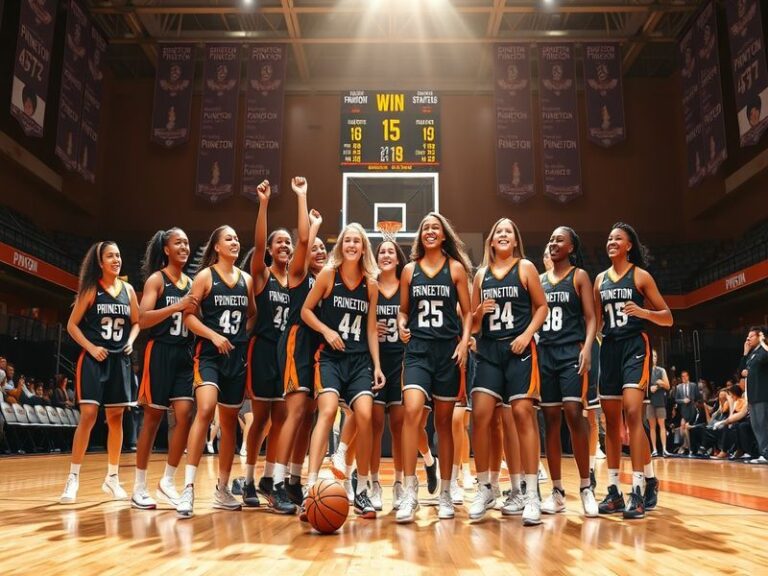
Today, spirit is no longer confined to temples or philosophical treatises. It has found a home in competitive arenas, corporate boardrooms, and online communities. In sports, spirit is often synonymous with “heart”—the unquantifiable drive that separates good teams from great ones. The 2022 Argentine World Cup squad, for instance, was praised not just for skill but for its collective spirit, described as a “soul” by pundits.
In business, spirit is increasingly recognized as a driver of innovation. Companies like Patagonia and Ben & Jerry’s embed “corporate spirit” in their missions, prioritizing environmental and social values. This isn’t just PR; it reflects a growing demand for authenticity and purpose. Employees and consumers alike seek organizations whose spirit aligns with their own values.
When Spirit Goes Viral: The Digital Age
Social media has transformed spirit into a shareable commodity. Hashtags like #BlackGirlMagic or #AsianAmericanSpirit celebrate collective resilience, turning personal narratives into collective movements. Yet, this democratization raises questions: Can spirit be commodified? When a brand like Nike co-opts “just do it” spirit, does it dilute its original meaning?
Digital communities, too, have redefined spirit. Online gaming clans or crypto collectives often operate with a shared ethos—loyalty, creativity, or defiance—that mimics traditional tribal bonds. The phenomenon of “stan culture” in music fandoms, for example, illustrates how spirit can unite millions under a single banner, for better or worse.
The Shadow Side of Spirit: When It Divides
Spirit isn’t always a force for unity. History shows how it can be weaponized—nationalism, extremism, and even corporate cults thrive on the fervor of shared spirit. The Nazi regime, for instance, exploited the idea of a unified “German spirit” to justify atrocities. Similarly, some multi-level marketing (MLM) organizations manipulate the language of spirit and purpose to exploit participants.
There’s also the paradox of individualism vs. collective spirit. In Western cultures, spirit is often tied to personal achievement, while in collectivist societies, it emphasizes duty and harmony. These tensions play out in debates over immigration, social justice, and globalization. Is spirit about overcoming the self or surrendering to a greater whole?
A Framework for Understanding Spirit Today
To navigate the complexities of spirit in the 21st century, we might consider it along two axes: source and expression.
- Source:
- Innate: The spirit we’re born with—our temperament, intuition, or will to live.
- Cultivated: The spirit we develop through culture, mentorship, or adversity.
- Assigned: The spirit imposed on us by institutions, trends, or algorithms.
- Expression:
- Creative: Spirit channeled into art, innovation, or self-expression.
- Defiant: Spirit that resists oppression, conformity, or erasure.
- Sacrificial: Spirit that demands commitment, whether to a cause, a community, or an ideal.
This framework helps us see spirit not as a static concept but as a living dialogue between the self and the world. It’s why a protest song can move millions, why a startup’s mission statement resonates with employees, or why a family’s traditions feel unshakable. Spirit is both the spark and the flame—the intangible that makes the tangible meaningful.
Conclusion: Spirit as a Verb, Not Just a Noun
Spirit is not something we possess; it’s something we do. It’s in the way a marathon runner pushes through pain, the way a scientist revisits a failed experiment, or the way a parent teaches their child to stand up for themselves. It’s the refusal to accept defeat, the courage to stand alone, and the humility to belong.
In an era of algorithmic feeds and superficial engagement, spirit reminds us of what it means to be truly human—to feel deeply, connect authentically, and persist relentlessly. Whether through ancient rituals or modern hashtags, spirit endures because it answers a fundamental human need: to believe in something greater than ourselves.
Perhaps the question isn’t what spirit is, but how we choose to embody it. In that choice lies its power—and its fragility.
For further exploration of how spirit manifests in culture and creativity, visit Dave’s Locker Entertainment or Culture sections.