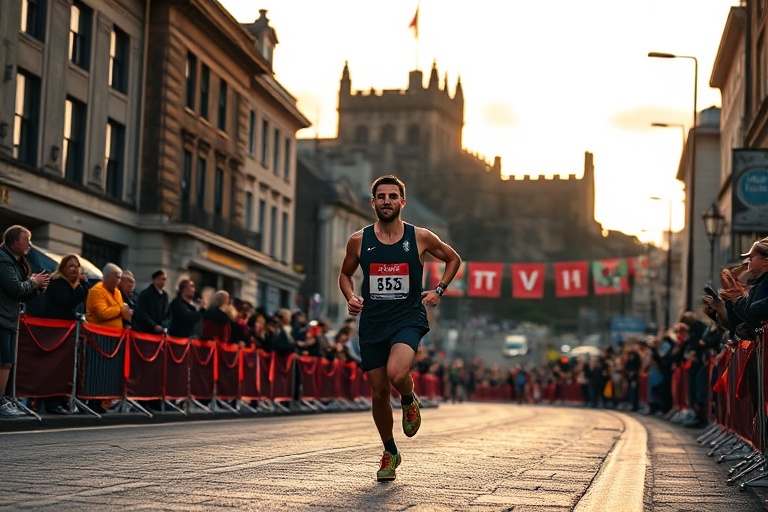
Bo Lueuders isn’t a household name, but in the world of functional fitness and athletic performance, he’s quietly building a reputation as someone who understands movement better than most. With a background in physical therapy and years spent coaching elite athletes, Lueuders has carved out a niche that blends science with practical application. His approach isn’t about chasing viral trends or chasing likes on social media. Instead, it’s rooted in principles that prioritize longevity, injury prevention, and real-world performance.
From Physical Therapy to Performance Coaching
Lueuders’ journey began in physical therapy, where he spent years rehabilitating patients with complex injuries. What set him apart was his focus on movement—not just symptom relief. He noticed that many patients returned to the same dysfunctional patterns that led to their injuries in the first place. This observation became the foundation of his coaching philosophy: if you fix the movement, you often fix the problem. His transition from clinical work to performance coaching was a natural progression, driven by a desire to work with athletes who were already healthy but wanted to push their limits safely.
His early clients included a mix of weekend warriors and professional athletes, all united by a common goal: to move better, recover faster, and perform at a higher level without breaking down. Lueuders’ ability to distill complex biomechanical concepts into actionable steps made him a sought-after coach. Unlike many in the fitness industry who rely on charisma or gimmicks, his success came from results. Athletes who trained under him often reported fewer nagging injuries and noticeable improvements in their performance metrics.
The Lueuders Method: Principles Over Trends
The Lueuders Method isn’t a branded fitness program with a catchy acronym or a social media-friendly name. It’s a philosophy built on four core principles:
- Movement First: Before adding load or intensity, ensure the body can move efficiently. This means assessing joint mobility, muscle activation, and coordination.
- Progressive Overload with Purpose: Load should be increased gradually, but only after the athlete demonstrates mastery of the movement pattern.
- Recovery as a Skill: Sleep, nutrition, and active recovery aren’t optional—they’re integral parts of the training process.
- Individualization: No two bodies are the same, so programming must be tailored to the athlete’s unique needs, injury history, and goals.
What makes Lueuders’ approach stand out is his refusal to bend to industry trends. While functional fitness has become synonymous with high-intensity workouts and minimal recovery, Lueuders advocates for a more measured pace. His athletes often spend weeks, if not months, perfecting foundational movements before adding resistance or speed. This isn’t to say his methods are slow—far from it. Instead, they’re deliberate, ensuring that every rep builds on the last rather than accumulating fatigue without progress.
Lueuders also places a heavy emphasis on education. He doesn’t just tell athletes what to do; he explains why. This empowers them to make informed decisions about their training, even when they’re not under his direct supervision. His educational content, whether through workshops or online resources, reflects this commitment to transparency. He’s quick to debunk myths, such as the idea that more volume always equals better results, or that pain is a necessary part of progress.
Impact on the Fitness Industry and Athlete Development
Lueuders’ influence extends beyond his immediate circle of athletes. He’s become a vocal advocate for a shift in how fitness and performance are taught, particularly in a landscape dominated by social media-driven training programs. His critiques of the industry are sharp but constructive. For example, he’s pointed out how many programs prioritize aesthetics over function, leading to athletes who look impressive but move poorly. He’s also called out the over-reliance on high-intensity training without adequate recovery, a recipe for burnout and injury.
His work has resonated with a growing subset of coaches and athletes who are tired of the one-size-fits-all approach. Instead, they’re seeking out methods that prioritize sustainability and long-term health. This has led to collaborations with other like-minded professionals, including sports scientists and physical therapists, to develop more holistic training systems. Lueuders’ influence can also be seen in the rise of “slow fitness” trends, where quality of movement is prioritized over quantity.
One of his most notable contributions is his work with endurance athletes. Traditionally, endurance training has focused on volume and intensity, often at the expense of mobility and strength. Lueuders has shown that incorporating strength work and mobility drills into an endurance athlete’s routine can lead to significant performance gains without increasing injury risk. His athletes have reported improvements in running economy, power output, and overall durability—something that’s hard to ignore in a sport where marginal gains matter.
The Future of Functional Fitness
As the fitness industry continues to evolve, Lueuders’ work offers a roadmap for where it could go. His emphasis on longevity and injury prevention is particularly relevant as more people prioritize healthspan over lifespan. The days of glorifying extreme training and chronic soreness as badges of honor are slowly fading, replaced by a more nuanced understanding of what it means to be fit.
Looking ahead, Lueders is focused on expanding his reach. He’s currently developing an online platform that will offer in-depth courses on his methodology, as well as a community where athletes and coaches can share insights and support. He’s also exploring partnerships with academic institutions to bridge the gap between clinical research and practical application in sports performance.
The fitness industry doesn’t need more gurus or influencers. It needs practitioners like Bo Lueuders who are willing to challenge the status quo and prioritize substance over spectacle. His work reminds us that true fitness isn’t about how much you can lift or how fast you can run—it’s about how well you can move, recover, and sustain that performance over time. In a world obsessed with quick fixes and viral workouts, Lueuders’ message is refreshingly simple: slow down, move well, and let the results follow.
Conclusion: Why Bo Lueuders Matters
Bo Lueuders represents a rare breed in the fitness industry: someone who combines deep expertise with a no-nonsense approach. His work challenges the conventional wisdom that more is always better, and his emphasis on movement quality over quantity is a welcome counterpoint to the current landscape. For athletes and coaches tired of chasing trends, Lueuders offers a path forward—one built on science, patience, and a commitment to doing the basics exceptionally well.
As the industry continues to mature, voices like Lueuders’ will become increasingly important. They remind us that fitness isn’t just about looking good or pushing limits for the sake of it. It’s about building a foundation that allows us to move, perform, and thrive for decades to come. In that sense, Bo Lueuders isn’t just coaching athletes—he’s helping to redefine what it means to be fit.