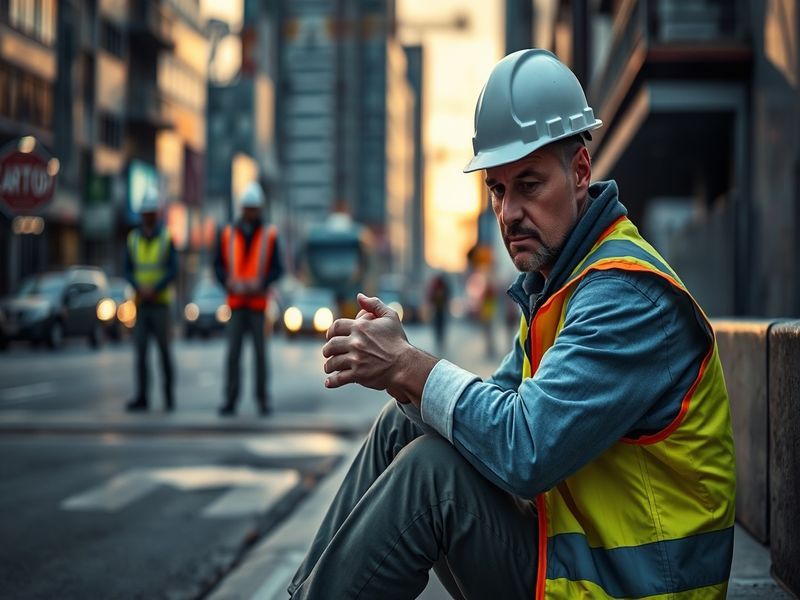
Workplace injuries disrupt lives without warning. From factory floors to office buildings, accidents can leave employees facing medical bills, lost wages, and long-term uncertainty. In these moments, a work accident lawyer becomes more than just a legal representative—they become a bridge between crisis and recovery.
These professionals specialize in navigating the complex web of workers’ compensation laws, employer liability, and insurance disputes. Their expertise isn’t confined to courtrooms; it spans negotiations with corporate legal teams, medical record analysis, and even cultural shifts in workplace safety regulations. The demand for such lawyers has grown alongside global industrial expansion, particularly in sectors like construction, manufacturing, and gig economy roles where injury risks remain high.
The Global Landscape of Workplace Injuries
While workplace safety standards have improved in many developed nations, the reality remains stark in others. The International Labour Organization (ILO) estimates that 2.3 million workers die annually from work-related accidents or diseases. Construction and industrial sectors report the highest fatality rates, but even seemingly low-risk environments—like retail warehouses or food processing plants—pose hazards.
Cultural attitudes toward workplace injuries vary widely. In Scandinavian countries, strong labor unions and comprehensive social safety nets often ensure injured workers receive immediate care and compensation. Contrast that with parts of Southeast Asia or Latin America, where informal labor markets and weaker regulations leave many without recourse. A work accident lawyer in these regions doesn’t just fight for compensation—they may also advocate for systemic changes, pushing employers to adopt safer practices.
Technology has begun reshaping this landscape. Wearable devices now monitor worker fatigue, while AI-driven safety systems predict hazards before accidents occur. Yet even with these advancements, human oversight remains critical. When prevention fails, a lawyer’s role becomes indispensable in holding employers accountable for negligence.
Common Workplace Injuries and Legal Recourse
Not all workplace injuries are equal under the law. Some, like repetitive strain injuries (RSIs) from typing or assembly line work, develop gradually and are often overlooked until severe. Others, such as falls from scaffolding or machinery malfunctions, result in immediate trauma. The legal path forward depends on the injury type, employer policies, and regional laws.
Below is a breakdown of frequently encountered workplace injuries and their legal considerations:
- Acute Trauma: Fractures, burns, or crush injuries from machinery or falls. These often qualify for workers’ compensation but may also involve third-party liability claims if defective equipment is to blame.
- Repetitive Stress Injuries: Carpal tunnel syndrome or tendonitis from prolonged repetitive motions. Proving these cases requires medical documentation linking the injury to workplace activities.
- Exposure-Related Illnesses: Chemical burns, respiratory diseases (e.g., asbestosis), or long-term conditions like hearing loss. These cases frequently involve complex medical evidence and employer cover-ups.
- Psychological Injuries: PTSD or depression resulting from workplace harassment or extreme stress. Legal recognition of these injuries is increasing but varies by jurisdiction.
In some countries, like the United States, workers’ compensation operates on a no-fault system—meaning employees receive benefits regardless of who caused the accident. However, this system often limits payouts, pushing injured workers to consult a lawyer to explore additional claims against negligent parties.
When to Hire a Work Accident Lawyer
Not every workplace scrape warrants legal intervention. Minor injuries with quick recoveries may be resolved through internal HR processes. But certain red flags signal the need for professional help:
- Denied Claims: If your workers’ compensation claim is rejected or delayed without clear justification, a lawyer can appeal the decision.
- Permanent Disability: Injuries that result in long-term or permanent impairment require expert valuation to ensure fair settlements.
- Employer Retaliation: Demotions, termination, or harassment after reporting an injury may violate labor laws, requiring legal action.
- Third-Party Liability: If a contractor, equipment manufacturer, or property owner contributed to the injury, separate lawsuits may be possible.
- Complex Medical Needs: Cases involving surgeries, ongoing therapy, or experimental treatments demand legal expertise to secure adequate funding.
The timeline for hiring a lawyer is critical. Evidence deteriorates, witnesses forget details, and statutes of limitations restrict filing windows. In jurisdictions like the UK, claimants typically have three years from the injury date to file, while some U.S. states impose deadlines as short as one year.
Cultural nuances also influence hiring decisions. In Japan, where workplace harmony is highly valued, employees may hesitate to sue employers, fearing social stigma. Conversely, in Australia, the “WorkCover” system encourages claims, with lawyers often working on contingency fees to reduce financial barriers.
Choosing the Right Legal Representation
Not all work accident lawyers are created equal. Experience, track record, and specialization matter. A lawyer who primarily handles car accidents may lack the nuanced understanding of industrial safety regulations needed for a factory explosion case. Similarly, a general practitioner might overlook niche legal avenues, like claims under the Health and Safety at Work Act in the UK.
When evaluating potential lawyers, consider the following criteria:
- Specialization: Look for firms with dedicated workplace injury departments.
- Success Rate: Ask for examples of similar cases they’ve won, including settlement amounts.
- Client Testimonials: Reviews or references can reveal how the lawyer handles communication and stress during prolonged cases.
- Fee Structure: Many work on contingency (taking a percentage of the settlement), but some charge hourly or flat fees for specific services.
- Resources: Complex cases require expert witnesses, accident reconstructionists, and medical consultants—ensure the firm has access to these.
Geographic location also plays a role. Local lawyers understand regional court systems and judges’ tendencies, while international firms may handle cross-border cases involving multinational corporations. For example, a European lawyer might navigate both EU workplace safety directives and national labor laws when dealing with a construction accident involving a German firm operating in Poland.
The Future of Workplace Injury Law
The gig economy has introduced new challenges. Delivery drivers, freelance programmers, and ride-share drivers often lack traditional employer-employee relationships, leaving them in legal limbo when injured. Courts worldwide are grappling with whether these workers qualify for workers’ compensation or must rely on personal injury lawsuits. Landmark cases, such as the UK’s Supreme Court ruling on Uber drivers, are setting precedents that will shape future legislation.
Artificial intelligence and automation are also altering the legal landscape. Predictive analytics can now assess the likelihood of a workplace injury based on historical data, while AI-powered contract review tools help lawyers identify clauses that limit liability. However, these technologies raise ethical questions: Who is responsible when an AI system misclassifies a safety hazard—the employer, the software developer, or the injured worker’s lawyer?
As workplaces evolve, so too must the legal frameworks protecting workers. The rise of remote work, for instance, has blurred the lines between home and office injuries. Can a slip on a home staircase during a video call be considered a workplace accident? Courts are still debating this, with outcomes varying by jurisdiction.
Conclusion: More Than Just Compensation
A work accident lawyer does more than secure financial settlements—they restore a sense of justice. For many injured workers, the legal battle is as much about accountability as it is about compensation. Seeing an employer or manufacturer held responsible can prevent future harm to others, creating ripple effects across industries.
Yet the fight for fair treatment extends beyond individual cases. Advocacy groups and legal aid organizations continue pushing for stronger labor protections, especially in high-risk sectors. From sports arenas where athletes face career-ending injuries to tech campuses where ergonomic failures lead to chronic pain, the need for vigilant legal representation persists.
If you’ve suffered a workplace injury, the path forward may feel overwhelming. But with the right legal ally, it’s possible to transform a moment of vulnerability into a step toward recovery—and systemic change.