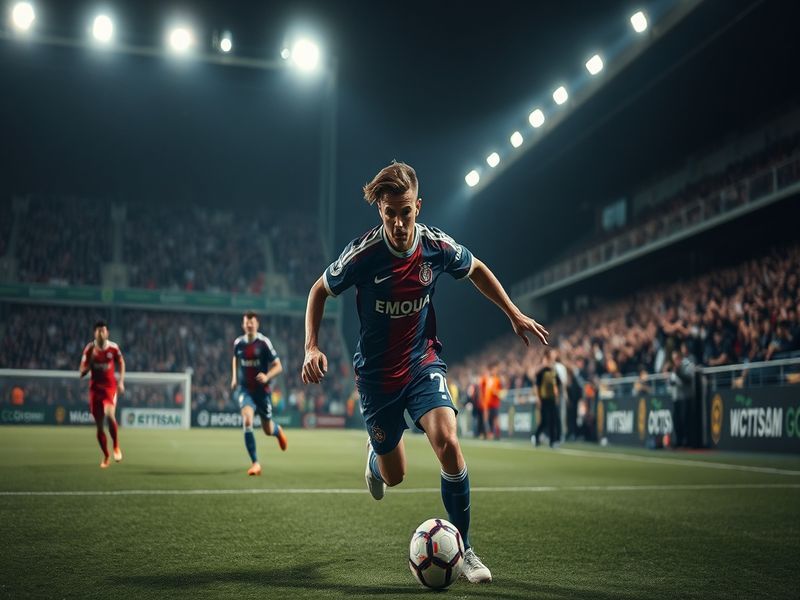
The clash between FC Botoșani and FCSB is more than just a football match; it’s a regional rivalry that stirs emotions in northeastern Romania. While FCSB, one of the country’s most successful clubs, represents the capital’s dominance in Romanian football, Botoșani brings a gritty, underdog spirit from a smaller city. This contrast fuels a narrative that goes beyond tactics and standings, touching on local pride and the broader dynamics of Romanian football.
Since Botoșani’s promotion to Liga I in 2013, their matches against FCSB have become fixtures that draw attention for their intensity. The two teams met again in the 2023-24 season, with FCSB continuing to chase domestic titles while Botoșani fought for European spots. These encounters are not just about points; they’re about proving that smaller clubs can challenge the established order.
The Historical Context of the Rivalry
FC Botoșani was founded in 2001, yet its rise in Romanian football has been rapid. The club’s journey from lower divisions to consistent top-flight appearances reflects the determination of northeastern football. FCSB, meanwhile, traces its roots to 1947 and carries the legacy of one of Romania’s most decorated clubs. The contrast between the two is stark: one is a traditional giant, the other a relative newcomer with ambitions that outpace its size.
The rivalry intensified after 2015, when Botoșani began finishing in the top half of Liga I, occasionally pushing for European qualification. FCSB, though often finishing below expectations in recent years, still commands respect due to its history. Matches between them are often tightly contested, with Botoșani’s disciplined defensive structure clashing against FCSB’s attacking flair.
Historically, FCSB has dominated the head-to-head record, but Botoșani has claimed notable victories, including a 2-1 win in 2019 that sent shockwaves through Romanian football. Such results have cemented the rivalry’s unpredictability and made every encounter a must-watch event for fans of competitive football.
Tactical Approaches: Discipline Meets Experience
Botoșani’s style under manager Cristian Dulca has often relied on compact defending and quick transitions. The team’s backline, marshaled by defenders like Andrei Novac and Iulian Cristea, prioritizes organization over individual brilliance. Midfielders such as Andrei Dragomir and George Ganea provide energy in pressing and counterattacks, making Botoșani a tough opponent to break down.
FCSB, under managers like Nicolae Dică and later Eugen Neagoe, has experimented with different formations, often favoring a 4-2-3-1 setup. The club’s attack, led by players like Florin Tănase and Dennis Man, relies on individual creativity and pace. However, inconsistency in midfield has been a recurring issue, allowing teams like Botoșani to exploit spaces on the counter.
In their most recent encounters, Botoșani’s tactical discipline has neutralized FCSB’s strengths, forcing the capital club into uncharacteristic errors. This tactical battle adds depth to the rivalry beyond mere passion, making it a case study in contrasting football philosophies.
Key Players and Their Impact
The rivalry has been shaped by standout performances from both sides. For Botoșani, goalkeeper Cosmin Vâtcă has been a wall in goal, making crucial saves in high-pressure moments. Defender Robert Boboc’s leadership at the back has been instrumental in keeping clean sheets against stronger opponents.
Up front, striker George Ganea has been a constant threat, using his movement to exploit defensive gaps. His goals against FCSB in past seasons have been pivotal, including a last-minute winner in a 2022 match that secured Botoșani’s first-ever victory at FCSB’s home ground.
FCSB’s squad, meanwhile, boasts experienced names like veteran midfielder Bănel Nicoliță, whose leadership and passing range provide stability. Florin Tănase, with his dribbling and shooting ability, remains a constant danger. However, injuries and suspensions have often disrupted FCSB’s rhythm, allowing Botoșani to capitalize.
The contrast in squad profiles highlights the rivalry’s essence: Botoșani thrives on collective effort and resilience, while FCSB leans on individual talent—though not always effectively.
Beyond the Pitch: Cultural and Economic Dimensions
This rivalry is not just about football; it reflects broader themes in Romanian society. Botoșani, a city of around 100,000 people, punches above its weight in sports, with football serving as a source of pride. The club’s success has boosted local morale and even influenced regional development, attracting investment and attention to the area.
FCSB, as Bucharest’s flagship club, carries the weight of expectations from a larger fanbase. The club’s struggles in recent years have led to frustration among supporters, who often compare the team’s performances to its historic achievements. Matches against Botoșani offer a chance to reclaim some dignity, even if temporarily.
The economic disparity between the two clubs is also notable. While FCSB benefits from larger sponsorship deals and bigger attendances, Botoșani operates with a more modest budget. Yet, the club’s ability to compete against wealthier opponents is a testament to efficient management and community support.
This economic contrast adds another layer to the rivalry, making it a David vs. Goliath narrative that resonates with football fans across Romania.
What’s Next for This Rivalry?
As both clubs look ahead to the 2024-25 season, the rivalry shows no signs of fading. FCSB, under new management, aims to restore its winning mentality and challenge for the title. Botoșani, meanwhile, will push for another top-five finish and a potential European campaign.
Their next meeting could have significant implications. If Botoșani continues its upward trajectory, it may soon challenge FCSB’s dominance in the league. For FCSB, avoiding another season of mediocrity could hinge on results against teams like Botoșani.
The fixture remains a must-watch for Romanian football fans, offering drama, tactical intrigue, and a reminder of the beauty of underdog stories. Whether it’s a league match or a cup tie, the Botoșani vs. FCSB clash always delivers intensity and unpredictability.
For those looking to explore more about Romanian football’s competitive landscape, check out our Sports and News sections for deeper analysis and updates on Liga I and beyond.
Final Thoughts
The Botoșani vs. FCSB rivalry is a microcosm of Romanian football’s evolution. It showcases how passion, strategy, and community spirit can challenge established norms. While FCSB represents tradition and expectation, Botoșani embodies ambition and resilience. Their matches are more than just games; they are cultural events that highlight the diversity and competitiveness of Romanian football.
As both clubs continue their journeys, this rivalry will remain a key storyline in Liga I. For fans, it’s a chance to witness football at its most raw and emotional. For the clubs, it’s an opportunity to write new chapters in their histories. One thing is certain: when Botoșani and FCSB meet, Romanian football wins.