GCSE Exams Cancelled: How Students Were Assessed Without Them
“`html
GCSE Exams Cancelled: What Students Need to Know
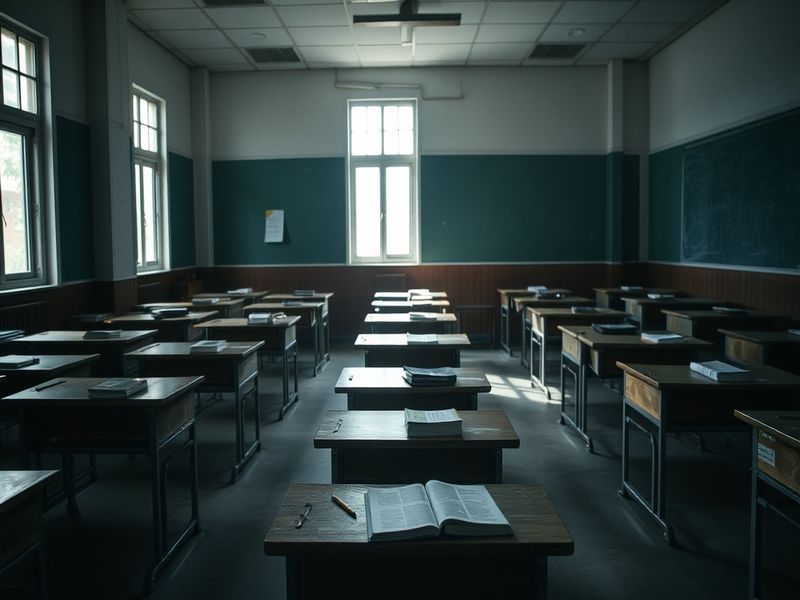
The cancellation of GCSE exams in 2020 and 2021 marked a turning point for secondary education in England. Amid the COVID-19 pandemic, the government faced unprecedented challenges in ensuring fair assessment for over 600,000 students annually. This decision reshaped how qualifications are awarded and highlighted the fragility of traditional exam systems.
The shift away from exams also exposed deeper issues within the education sector. Students, parents, and teachers had to adapt quickly to alternative assessment methods, including teacher-assessed grades and algorithmic moderation. These changes sparked debates about reliability, equity, and the future of GCSEs in a post-pandemic world.
Why GCSE Exams Were Cancelled
The cancellation of GCSE exams was not an isolated decision but a response to a global crisis. In March 2020, as the pandemic forced school closures, the government announced that exams would not go ahead as scheduled. The rationale was clear: ensuring student safety while maintaining fairness in qualification. However, the path to alternative assessment proved far from straightforward.
Initially, the Department for Education (DfE) proposed using mock exam results and predicted grades. But concerns arose about inconsistencies in how schools set and mark mocks. Teachers’ assessments became the primary method, though this introduced new challenges. Without standardised exams, how could grades be compared fairly across different schools and regions?
A controversial algorithm was later introduced to moderate teacher-assessed grades. The system, designed to ensure grade distributions matched previous years, sparked widespread backlash when it resulted in significant downgrades for many students. After legal challenges and public outcry, the algorithm was scrapped, and grades reverted to teacher assessments.
How Students Were Assessed Without Exams
The absence of GCSE exams forced educators to rethink assessment entirely. Schools adopted a variety of approaches, often relying on a combination of:
- Teacher-assessed grades (TAGs): Teachers evaluated students based on coursework, class performance, and mock exams.
- Portfolio evidence: Students submitted projects, essays, and practical work to demonstrate their understanding.
- Remote learning records: Online participation, assignments, and engagement were factored into final grades.
However, this approach was not without flaws. Critics argued that teacher assessments could be subjective, favouring students with stronger teacher-student relationships. Others pointed out that students from disadvantaged backgrounds might lack access to the resources needed to produce high-quality coursework.
The lack of standardisation also raised concerns about fairness. Schools in affluent areas might have more rigorous assessment practices, while those in deprived regions could struggle to provide equivalent opportunities. The pandemic, therefore, not only disrupted education but also amplified existing inequalities.
The Broader Implications for Education
The cancellation of GCSE exams had ripple effects beyond individual students. Universities, employers, and policymakers were forced to re-evaluate how qualifications are perceived and used. For universities, the challenge lay in assessing applicants without traditional exam results. Many institutions revised their entry requirements, placing greater emphasis on personal statements, interviews, and contextual admissions.
Employers, too, had to adapt. GCSEs are often used as a benchmark for basic literacy and numeracy skills. Without standardised results, companies had to rely more on interviews, work trials, and alternative qualifications. This shift may have long-term consequences for how young people enter the workforce.
For policymakers, the experience highlighted the need for greater flexibility in the education system. The government has since explored reforms to GCSEs, including modular assessments and the introduction of a new grading system. However, the pandemic’s impact on education may extend far beyond these changes.
Looking Ahead: The Future of GCSEs
As the education sector recovers from the pandemic, the question remains: will GCSE exams return to their pre-2020 format? The government has stated its commitment to exams as the primary assessment method, but the past two years have demonstrated that alternative approaches are possible.
Some educators argue that the pandemic has proven that exams are not the only way to assess students. They advocate for a hybrid model, combining exams with teacher-assessed components. Others believe that the current system is too entrenched to change, despite its flaws.
For students currently preparing for GCSEs, the lessons from the pandemic offer both challenges and opportunities. On one hand, the disruption has underscored the importance of resilience and adaptability. On the other, it has raised questions about the fairness and reliability of a system that was once taken for granted.
Whatever the future holds, one thing is certain: the cancellation of GCSE exams has left a lasting mark on education in England. It has forced a reckoning with long-standing issues and opened the door to much-needed conversations about reform.
For more insights into education trends and policy, visit our Education category on Dave’s Locker. If you’re interested in how the pandemic has shaped other aspects of society, explore our News section for further analysis.