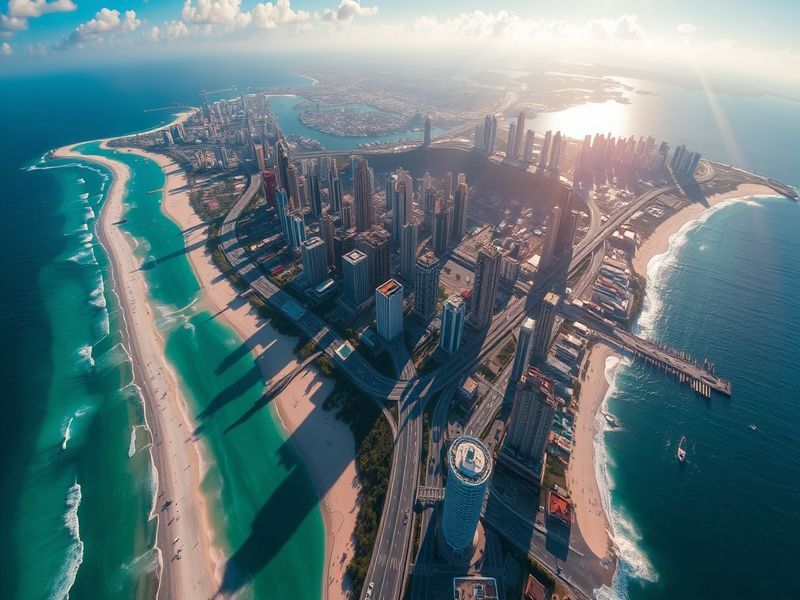
GTA VI Map: A Deep Dive into Vice City’s Reimagined World
Rockstar’s Vision of Vice City Reimagined: What the GTA VI Map Reveals
The highly anticipated Grand Theft Auto VI map has become a focal point for fans and critics alike since its partial reveal in early 2023. Set in the fictional state of Leonida—inspired by Florida—Rockstar Games has crafted an expansive world that blends urban density with sprawling natural landscapes. The map promises a dynamic environment where players can traverse from the neon-lit streets of Vice City to the sun-bleached highways of the countryside. This design reflects Rockstar’s commitment to creating a living, breathing world rather than a static backdrop.
The geography of Leonida is not just a playground for crime; it mirrors real-world urban sprawl and economic disparity. Vice City itself, a reimagined Miami, serves as a cultural hub where art deco skyscrapers stand alongside crumbling public housing, a visual commentary on wealth and neglect. This juxtaposition invites players to explore not only for missions but to observe the social fabric of the city. The map’s design suggests that Rockstar is weaving a narrative that feels grounded, even within the absurdity of a crime saga.
The Design Philosophy Behind the GTA VI Map
Rockstar’s approach to the GTA VI map emphasizes realism and player agency. Unlike previous entries, the world is designed to be traversed in multiple ways—on foot, by car, boat, or even aircraft. This level of detail encourages exploration and rewards curiosity. The map includes diverse biomes, from dense urban centers to swampy wetlands and sandy beaches, each with its own distinct aesthetic and challenges.
The map’s topography is meticulously crafted to influence gameplay. For instance, high-speed chases through downtown Vice City contrast with the slower, tactical approaches required in the Everglades. Rockstar has also introduced dynamic weather systems and a day-night cycle that affects visibility, traffic patterns, and enemy behavior. These elements ensure that no two playthroughs feel identical, reinforcing the map’s immersive qualities.
Accessibility is another key feature. The map includes fast-travel points, but Rockstar has balanced convenience with organic design. Unlike some open-world games that rely heavily on waypoints, GTA VI encourages players to engage with the environment, whether by taking a leisurely drive along the coast or navigating shortcuts through alleyways.
Cultural and Economic Reflections in the GTA VI World
The GTA VI map is more than a setting—it’s a commentary on American culture and economics. Vice City, with its vibrant nightlife and corrupt institutions, mirrors the allure and decay of real-world cities like Miami and Las Vegas. The map’s design incorporates elements of Latin American and Caribbean culture, from street murals to radio stations, reflecting the diverse communities that shape modern Florida.
Economic disparity is a recurring theme. The contrast between the gleaming high-rises of the city’s financial district and the neglected neighborhoods in the outskirts serves as a visual narrative. This disparity isn’t just aesthetic; it influences mission design and player interactions. Missions set in wealthier areas may involve high-stakes heists, while those in poorer districts could focus on survival or rebellion against systemic oppression.
The map also explores the impact of tourism and gentrification. Areas like Vice Beach, modeled after Miami Beach, feature luxury resorts and crowded boardwalks, while nearby slums highlight the human cost of rapid development. These themes resonate globally, as cities from Barcelona to Rio de Janeiro grapple with similar issues. Rockstar’s world-building invites players to reflect on these parallels, even as they engage in chaotic gameplay.
Exploring the GTA VI Map: Key Locations and Landmarks
The GTA VI map is divided into several distinct regions, each offering unique gameplay opportunities. Below is a breakdown of the most notable areas:
- Vice City: The heart of the map, featuring iconic landmarks like the Vice City Beach pier, the towering Rampage Tower, and the neon-soaked nightclubs of Downtown. This area is densely populated with missions, shops, and interactive elements.
- Leonida Countryside: A vast expanse of farmland, swamps, and backroads. This region is ideal for off-the-grid activities, such as smuggling or bounty hunting. The Everglades-like wetlands add a layer of danger with quicksand and wildlife encounters.
- Davis: A working-class neighborhood with a strong sense of community. Missions here often revolve around local conflicts or small-time crime, offering a grittier perspective on the game’s world.
- Vinewood: A Hollywood-inspired district filled with film studios, celebrity mansions, and paparazzi. This area blends satire with high-stakes missions, including a few that parody the entertainment industry.
- Cassidy Creek: A rural area with a strong outlaw presence. The terrain is rugged, and missions here often involve evading law enforcement or dealing with local gangs.
Each region is designed to feel distinct, both visually and mechanically. Players will find that traversing from Vice City’s crowded streets to the quiet backroads of Cassidy Creek requires a shift in strategy, whether it’s adjusting to different traffic patterns or avoiding wildlife. This variety ensures that the map remains engaging throughout the game’s duration.
The Global Appeal of GTA VI’s Open World
While GTA VI is rooted in American culture, its themes and mechanics resonate with audiences worldwide. Open-world games have become a global phenomenon, with developers from Japan to Europe drawing inspiration from Rockstar’s formula. The GTA VI map, with its emphasis on realism and player freedom, sets a new standard for the genre.
In countries like Brazil, where urban violence and economic inequality are pressing issues, the map’s portrayal of Vice City’s duality feels particularly relevant. Similarly, in Europe, where cities like Barcelona and Naples face similar challenges, players can draw parallels between the game’s fictional struggles and their own realities. This universality is part of what makes GTA VI more than just a game—it’s a cultural artifact.
The map’s design also reflects Rockstar’s attention to global trends. For example, the inclusion of a robust online multiplayer mode, GTA Online, expands the game’s reach beyond solo play. Players from around the world can team up for heists, races, and other activities, fostering a sense of community that transcends borders. This global connectivity is a testament to the evolving nature of gaming as a shared experience.
Conclusion: A New Benchmark for Open-World Design
The GTA VI map is more than a setting—it’s a testament to Rockstar’s ability to blend storytelling, gameplay, and social commentary into a cohesive experience. By reimagining Vice City within the broader context of Leonida, the developers have created a world that feels alive, complex, and deeply immersive. The map’s design encourages exploration, rewards curiosity, and invites players to reflect on the real-world issues it mirrors.
As gaming continues to evolve, the GTA VI map stands as a benchmark for open-world design. Its attention to detail, cultural depth, and player agency set a new standard for the industry. Whether you’re a longtime fan of the franchise or a newcomer to the series, the world of GTA VI offers something for everyone—chaos, beauty, and a glimpse into the human condition.
For those eager to dive deeper into the world of open-world gaming, explore our Gaming section for more insights and reviews. And don’t miss our analysis of how GTA VI compares to other iconic open-world titles in the Entertainment category.