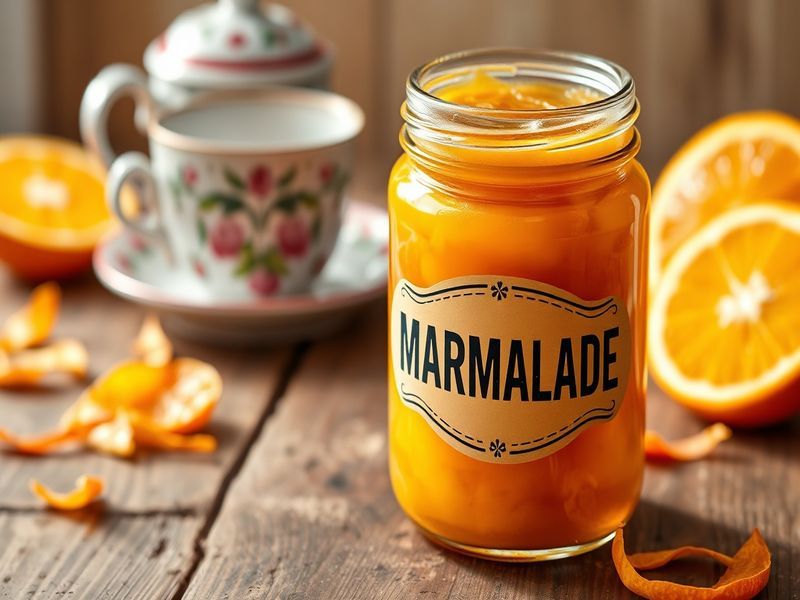
How Brexit Is Reshaping Marmalade Branding Strategies
“`html
Marmalade Rebranding After Brexit: A Sweet Strategy or Sour Taste?
The tart tang of marmalade has long been a staple of British breakfast tables. Post-Brexit, however, this citrus preserve faces a market transformed by shifting trade policies, supply chain disruptions, and changing consumer habits. In response, marmalade producers are rethinking their branding strategies to stay competitive. The question remains: Is this rebranding a clever adaptation or a desperate gamble?
The Brexit Impact on Marmalade
Brexit’s economic ripple effects have been felt across the UK food industry, and marmalade is no exception. Tariffs on imported citrus fruits—key ingredients in traditional marmalade—have driven up production costs. At the same time, reduced labor availability has strained manufacturing processes. These challenges have forced producers to re-evaluate their market positioning.
The rebranding efforts are not just about aesthetics; they reflect deeper strategic shifts. Some brands are leaning into their British heritage, emphasizing local sourcing and artisanal methods. Others are experimenting with new flavors and marketing angles to appeal to younger consumers. The goal? To carve out a niche in an increasingly competitive market.
Key Rebranding Strategies
Producers are adopting several tactics to navigate the post-Brexit landscape:
- Heritage Marketing: Brands are highlighting their long-standing ties to British culture, positioning marmalade as a nostalgic comfort food.
- Innovation in Flavor: Some companies are introducing unconventional flavors, such as spiced orange or honey-infused marmalade, to attract diverse palates.
- Sustainability Focus: Eco-friendly packaging and locally sourced ingredients are becoming selling points for environmentally conscious consumers.
- Digital Engagement: Social media campaigns and influencer partnerships are being used to reconnect with younger audiences who may not see marmalade as a traditional breakfast item.
Consumer Reactions: Nostalgia vs. Novelty
The rebranding has sparked mixed reactions among consumers. Traditionalists argue that marmalade should remain a classic, untouched by modern trends. They resist flavors like chili-infused or matcha marmalade, viewing them as unnecessary deviations from the original recipe. Conversely, younger shoppers often find these innovations intriguing, drawn to the idea of a familiar product with a twist.
Market research suggests that heritage-focused brands are performing well among older demographics, while innovative products are gaining traction with millennials and Gen Z. This divide highlights the challenge of balancing tradition with modernity in a post-Brexit economy. Brands that can successfully merge the two may find themselves in a stronger position.
Broader Implications for the Food Industry
Marmalade’s rebranding is a microcosm of the broader challenges facing the UK food industry post-Brexit. As trade barriers reshape supply chains, food producers are under pressure to adapt or risk obsolescence. The strategies employed by marmalade brands—heritage marketing, flavor innovation, sustainability—could serve as a blueprint for other sectors.
For example, the craft beer industry has similarly leaned into local sourcing and storytelling to differentiate itself in a crowded market. Meanwhile, the rise of plant-based foods underscores how consumer preferences are evolving in response to economic and environmental pressures. Marmalade’s journey reflects these broader trends, offering lessons for businesses across the food sector.
Moreover, the rebranding efforts could influence how British food products are perceived globally. Post-Brexit, the UK has an opportunity to redefine its culinary identity on the world stage. If marmalade brands can successfully market themselves as both traditional and innovative, they may help shift perceptions of British food from stodgy to dynamic.
The Road Ahead: Can Marmalade Adapt?
The success of marmalade’s rebranding hinges on its ability to resonate with changing consumer tastes while staying true to its core identity. Brands that cling too tightly to tradition risk alienating younger shoppers, while those that innovate too aggressively may lose the authenticity that defines their appeal. The key lies in finding a middle ground—one that honors the past while embracing the future.
For now, the marmalade aisle is a battleground of competing visions. Will the classic jars of Seville orange marmalade endure, or will they be replaced by a new generation of citrus spreads? Only time will tell. One thing is certain: the stakes are high, and the stakes are sweet.
For more insights into how Brexit is reshaping industries, explore our News and Analysis sections.