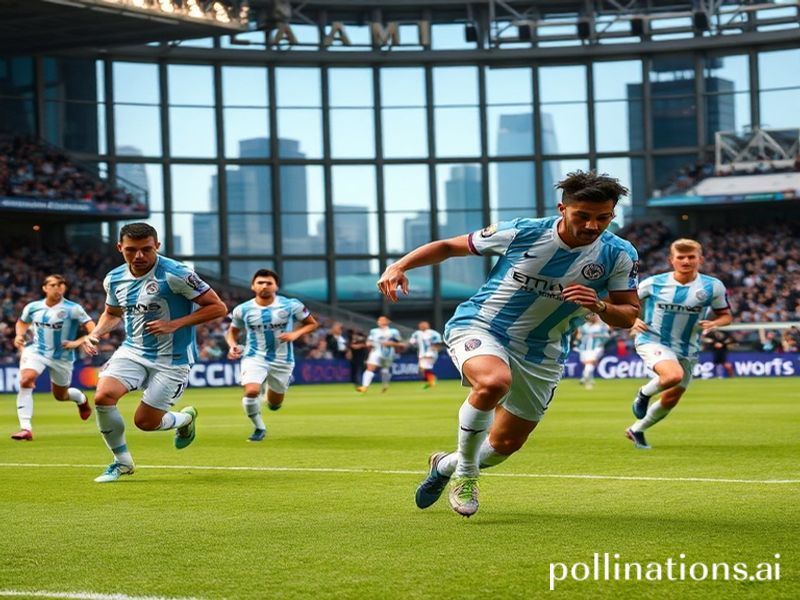
Middlesbrough and Millwall faced off in a tense Championship fixture that carried implications for both teams’ playoff ambitions. The Riverside Stadium hosted a match that reflected the gritty, physical nature of Championship football, where every challenge and set piece could shift the momentum. Both sides entered the game with contrasting recent forms, but the stakes were clear: three points would provide a significant boost in the race for a top-six finish.
For Middlesbrough, the home advantage was crucial. Under manager Michael Carrick, the Teesside side had shown resilience in recent weeks, grinding out results through disciplined defending and clinical counterattacks. Millwall, meanwhile, arrived with a reputation for toughness, led by the experienced Gary Rowett, whose teams are known for their organized defensive shape and direct attacking style. This clash promised to be a battle of contrasting philosophies, where tactical discipline would be tested against physicality and intensity.
The Tactical Battle: Carrick’s System vs Rowett’s Direct Approach
Michael Carrick’s Middlesbrough have built their season on a structured, possession-based approach with an emphasis on quick transitions. The team often sets up in a 4-2-3-1 formation, with key players like Isaiah Jones and Hayden Coulson providing width and creativity from the wing-back positions. Their midfield duo, often featuring the likes of Jonny Howson and Ryan Giles, controls the tempo, while strikers like Emmanuel Latte Lath or Sam Silvera look to exploit any defensive lapses.
Gary Rowett’s Millwall, on the other hand, prioritize a more direct style of play. Known for their compact defensive shape and rapid counterattacks, the Lions rely heavily on the physical presence of players like Aidomo Emakhu and Zian Flemming to exploit spaces behind Middlesbrough’s advancing full-backs. Defensively, they operate in a 4-4-2 or 4-4-1-1 formation, with wingers often dropping into midfield to congest areas and limit Middlesbrough’s ability to build play.
This tactical mismatch set the stage for a fascinating battle. Middlesbrough needed to control the tempo and force Millwall into making mistakes in deeper positions. Millwall, however, thrived on Middlesbrough’s potential overcommitment in attack, looking to punish any turnovers with quick transitions. The game would likely hinge on which team could impose their style of play more effectively.
Key Battles That Defined the Match
The midfield battle was always going to be pivotal. Middlesbrough’s Howson and Giles aimed to dominate possession and dictate the pace, while Millwall’s George Evans and Romaine Sawyer looked to disrupt their rhythm through physical challenges and quick redistributions. Howson, a veteran of the division, was particularly crucial in shielding the backline and recycling possession efficiently. Sawyer, meanwhile, brought energy and aggression, often stepping into tackles to break up play.
Up front, the duel between Middlesbrough’s Latte Lath and Millwall’s Emakhu provided a physical contrast. Latte Lath, with his pace and movement, tested Millwall’s defenders, while Emakhu used his strength to hold up play and bring others into the attack. The battle between Middlesbrough’s full-backs and Millwall’s wingers would also be decisive. Coulson and Jones needed to stay disciplined defensively while providing outlets in attack, whereas Millwall’s wide players—such as Mason Bennett—would look to stretch play and create overloads.
Defensively, Middlesbrough’s center-back pairing of Paddy McGreevy and Darragh Lenihan would face a stern test against Millwall’s direct running. The Lions often rely on long balls to bypass midfield, and Middlesbrough’s backline needed to stay compact and avoid being pulled out of shape. Millwall’s defensive organization, marshaled by captain George Cooper, would be crucial in nullifying Middlesbrough’s attacking threats.
First Half: A Cagey Start with Few Clear Chances
The match began with both teams feeling each other out. Middlesbrough started with more possession, but Millwall’s defensive shape stifled their progress. The Lions defended in a low block, forcing Middlesbrough to play through them, and their compactness made it difficult for the home side to find gaps in central areas.
Millwall’s first real chance came in the 20th minute when Emakhu latched onto a long ball from the defense. He outmuscled McGreevy but was unable to get a clean shot on target, firing over the bar. Middlesbrough responded with a half-chance of their own when Latte Lath broke clear but was denied by a last-ditch tackle from Cooper.
The game remained tight, with few clear openings. Middlesbrough’s best opportunity arrived in the 35th minute when a quick counterattack saw Giles play a through ball to Latte Lath, but his shot was saved comfortably by Millwall goalkeeper Bartosz Białkowski. The half ended 0-0, with both teams heading into the break frustrated by the lack of clear chances.
Second Half: Millwall’s Direct Approach Pays Off
Millwall started the second half with renewed intensity. Rowett’s side looked to exploit Middlesbrough’s high defensive line, and their direct approach began to cause problems. The turning point came in the 55th minute when a long ball from Millwall’s defense found Emakhu in space. He held off Lenihan and fired a low shot past Joe Lumley in the Middlesbrough goal, putting the Lions ahead.
Middlesbrough reacted immediately. Carrick introduced Ryan Fraser for Jones, looking to add creativity and width to the attack. Fraser’s arrival injected some pace into Middlesbrough’s play, and they began to apply more pressure. However, Millwall remained resolute at the back, with Cooper marshalling the defensive unit effectively.
Middlesbrough’s frustration grew as they struggled to break down Millwall’s low block. A rare bright spot came in the 72nd minute when Fraser curled a free-kick just wide of the post, but Millwall weathered the storm and nearly doubled their lead in the 80th minute. A quick counterattack saw Flemming break clear, but his shot was saved by Lumley, who tipped the ball over the bar.
The game ended 1-0 to Millwall, a result that reflected their disciplined performance and Middlesbrough’s inability to break them down. For Carrick’s side, the loss was a setback in their playoff push, while Millwall’s victory reinforced their reputation as a tough team to break down.
What This Result Means for Both Teams
For Middlesbrough, the defeat was a reminder of the fine margins in the Championship. Carrick’s side had dominated possession in key moments but failed to convert their chances. The result left them outside the playoff places, and they would need to bounce back quickly to keep their ambitions alive. Their next fixtures against fellow top-six challengers would be crucial in determining their playoff hopes.
Millwall, meanwhile, continued their strong run of form under Rowett. The Lions’ direct approach and defensive solidity had them firmly in the mix for a playoff spot. Their ability to grind out results against stronger opposition would be vital in the coming weeks, especially as the season entered its final stretch.
Both teams will need to address their respective weaknesses. Middlesbrough must improve their clinical edge in front of goal, while Millwall will look to add more creativity to their attacks to avoid becoming too predictable.
Looking Ahead: The Road to the Playoffs
The Championship remains one of the most competitive leagues in Europe, and every point counts. Middlesbrough and Millwall will need to maintain consistency if they harbor ambitions of reaching the playoffs. For Middlesbrough, the focus will be on converting their dominance into goals, while Millwall must avoid becoming too reliant on their defensive structure.
As the season progresses, both teams will face challenges from other ambitious sides. Clubs like Leeds United and Ipswich Town have already staked their claim as title contenders, while teams like Leicester City and Southampton loom as potential playoff rivals. Middlesbrough and Millwall will need to navigate this crowded landscape carefully.
For fans, this match was a reminder of the unpredictability and intensity of Championship football. Whether it’s a scrappy 1-0 win or a high-scoring thriller, the division never fails to deliver drama. As both teams regroup, their next fixtures will be crucial in shaping their seasons.
For more analysis on Championship football and tactical breakdowns, visit our Sports section. To explore deeper insights into team strategies, check out our Analysis category.