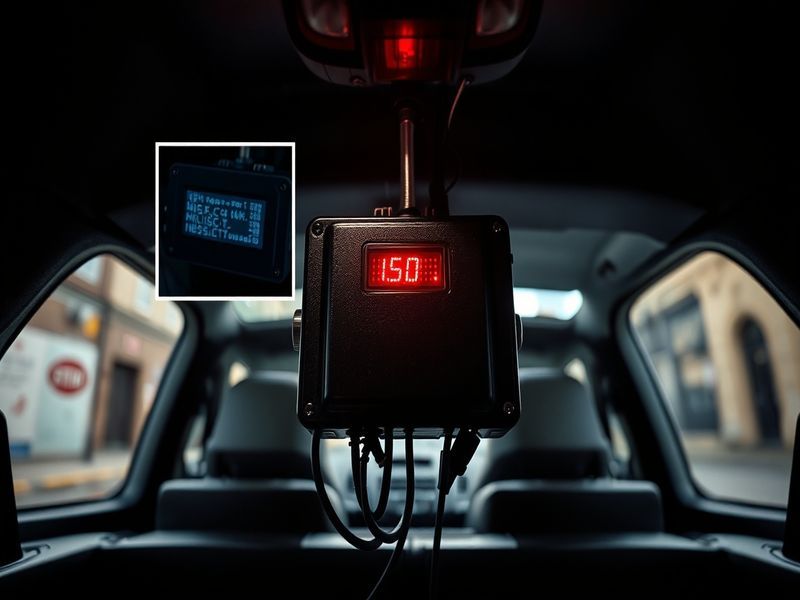
The Motability Scheme has long been a cornerstone of transportation independence for disabled individuals across the UK. Since its inception in 1977, it has evolved from simple vehicle adaptations to a sophisticated ecosystem of support services. Among its most transformative innovations are the black box tracking systems installed in thousands of vehicles. These unassuming devices have quietly redefined how mobility solutions are managed, monitored, and optimized.
While often overlooked in broader discussions about assistive technology, the black box system represents a significant leap in both safety and operational efficiency. By leveraging telematics technology, the scheme has addressed long-standing challenges in vehicle maintenance, insurance compliance, and real-time support. This article explores the global implications of this technology, its cultural impact, and the future trajectory of mobility assistance.
The Technology Behind the Black Box
At its core, the Motability black box is a compact telematics device that collects and transmits vehicle data. Unlike consumer GPS trackers, these systems are purpose-built for the scheme’s unique requirements. They monitor parameters such as mileage, fuel consumption, and driving patterns, while also enabling emergency assistance features.
The system operates through a combination of GPS, accelerometers, and cellular connectivity. When installed, it integrates seamlessly with the vehicle’s onboard diagnostics (OBD) port, providing continuous insights without disrupting regular operations. For users with limited mobility, this technology eliminates the need for manual check-ins or inspections, streamlining the entire process.
- Real-time monitoring: Immediate alerts for unusual activity, such as unauthorized use or mechanical issues.
- Predictive maintenance: Data-driven insights that flag potential problems before they escalate.
- Emergency response: Automatic crash detection and location sharing with emergency services.
- Insurance optimization: Lower premiums for drivers demonstrating safe, predictable behavior.
The technology has drawn comparisons to commercial fleet management systems but is tailored specifically for the needs of disabled motorists. Its adoption reflects a broader trend in assistive technology: the merging of accessibility with cutting-edge innovation.
A Global Perspective on Telematics in Mobility
While the Motability Scheme is a UK initiative, its approach to telematics has parallels worldwide. Countries like Germany, Japan, and the United States have explored similar systems to enhance mobility for disabled populations. In Germany, the “Mobilität für alle” program incorporates GPS tracking to ensure vehicle safety and compliance with accessibility standards. Japan’s “Barrier-Free Taxi” initiative uses telematics to dispatch adapted vehicles efficiently in urban areas.
Culturally, these systems have reshaped perceptions of disability and independence. In societies where mobility is often tied to personal freedom, the ability to track and optimize vehicle use has granted users a newfound sense of control. However, the technology also raises ethical questions about surveillance and data privacy, particularly in regions with less stringent regulations on telematics.
For example, in the Nordic countries, where digital transparency is highly valued, the acceptance of black box systems has been smoother. Conversely, in parts of Southern Europe, where privacy concerns are more pronounced, uptake has been slower. These variations highlight how technology adoption is shaped by cultural attitudes toward data and autonomy.
The Human Impact: Stories from the Road
Beyond the technical specifications, the black box system has tangible effects on users’ daily lives. Consider the case of Margaret, a 68-year-old Motability participant from Manchester. Diagnosed with rheumatoid arthritis, she relies on her adapted vehicle to attend medical appointments and visit family. Before the black box was installed, she worried about breakdowns leaving her stranded. Now, she receives automated alerts if her tire pressure drops or her battery shows signs of failure.
Another user, Ahmed, a 32-year-old wheelchair user from Birmingham, uses his Motability vehicle to commute to his job as a software developer. The black box’s real-time tracking has given him peace of mind during long drives, knowing that assistance is just a button press away if needed. For him, the system isn’t just a tool—it’s a lifeline that bridges the gap between disability and professional independence.
These stories underscore a broader truth: assistive technology doesn’t merely compensate for limitations; it redefines what’s possible. The black box system, in particular, has transformed mobility from a logistical challenge into a seamless experience.
The Future of Black Box Technology in Mobility
As telematics continues to evolve, the Motability Scheme’s black box system is poised for further advancements. Future iterations may incorporate artificial intelligence to predict maintenance needs with even greater accuracy. Integration with smart city infrastructure could enable priority routing for disabled drivers in congested urban areas. There’s also potential for the data collected to inform policy changes, such as advocating for improved road accessibility based on real-world usage patterns.
However, challenges remain. The cost of installing and maintaining these systems could become a barrier for some users, particularly in lower-income regions. Additionally, as vehicles transition to electric and autonomous models, the black box will need to adapt to new data streams and safety protocols. The Motability Scheme’s commitment to innovation suggests it will rise to these challenges, ensuring the technology remains inclusive.
For now, the black box system stands as a testament to how technology can empower without overwhelming. It’s a quiet revolution—one that prioritizes independence, safety, and dignity for those who need it most.
Exploring Related Innovations
For those interested in the intersection of technology and accessibility, the Technology category on Dave’s Locker offers deeper insights into emerging assistive technologies. Similarly, the Automotive section covers broader trends in vehicle adaptations and mobility solutions.