TSA Clear Bags: April Fools’ Day Prank or Real Regulation?
The Transportation Security Administration (TSA) has long been a source of both frustration and humor for travelers. Every holiday season, new rules about carry-on luggage spark debates online. But when April 1st rolls around, the agency’s official social media accounts often join in the fun—sometimes with pranks that blur the line between joke and genuine policy change.
In recent years, the TSA has used its official platforms to post lighthearted updates, including fake announcements about new “mandatory” clear bag policies. These jokes, while entertaining, occasionally cause confusion among passengers who aren’t familiar with the agency’s history of April Fools’ content.
This article explores the reality behind TSA’s clear bag requirements, how the agency uses humor, and what travelers should actually expect when flying with transparent bags.
Understanding TSA’s Real Clear Bag Policy
Contrary to popular belief, the TSA does not require all passengers to use clear bags. The confusion often stems from a specific rule related to carry-on liquids. According to official TSA guidelines:
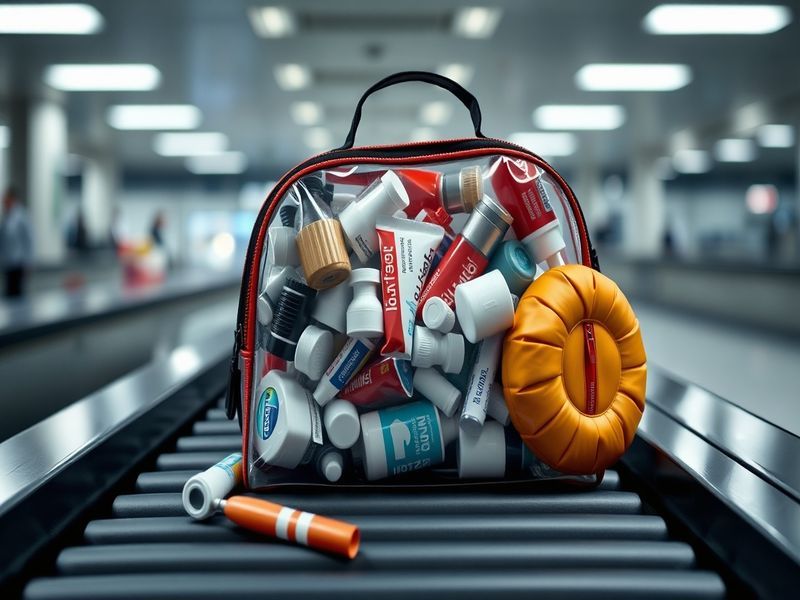
- Passengers are allowed to bring one quart-sized, clear, plastic, zip-top bag for liquids, aerosols, gels, creams, and pastes.
- Each container in the bag must be 3.4 ounces (100ml) or smaller.
- The clear bag must be placed in a screening bin separate from other carry-on items.
- There is no requirement to use a clear bag for non-liquid items like electronics, clothing, or snacks.
This rule exists to speed up the security screening process. Transparent bags make it easier for TSA officers to see contents at a glance, reducing the need for additional bag checks. However, the policy applies only to liquids, not the entire carry-on.
The April Fools’ Tradition: TSA’s Humor Over the Years
Since 2013, the TSA has embraced April Fools’ Day with increasingly creative social media posts. These range from fake product launches to absurd rule changes. Some of the most memorable include:
- 2015: A tweet announcing “TSA PreCheck™ for Pets,” allowing dogs and cats to bypass security lines.
- 2017: A fake video about a new “Liquid Scanner 3000,” which could detect and remove liquids from bags automatically.
- 2019: A post claiming the agency would begin “randomly selecting passengers for mandatory shoe removal,” regardless of PreCheck status.
- 2023: An announcement that “all carry-on bags must now be clear” as part of a “new initiative for faster screening.”
While these posts are clearly jokes, they often receive thousands of likes, shares, and even serious replies from confused travelers. The TSA’s social media team walks a fine line—entertaining followers while avoiding misinformation that could disrupt travel plans.
In some cases, the jokes have unintended consequences. For example, the 2023 “clear bag requirement” post led to a surge in travelers purchasing clear bags for upcoming trips, only to realize later that the policy wasn’t real. The TSA later clarified the post with a follow-up tweet: “Just kidding! But clear bags can still help speed up your screening.”
Global Perspectives: How Other Countries Handle Transparent Luggage
The TSA’s liquid rules are not unique. Many countries have adopted similar policies to streamline airport security. For instance:
- European Union: The EU follows the same 100ml liquid rule as the U.S., with clear bags recommended but not mandatory for carry-ons.
- United Kingdom: The UK’s Civil Aviation Authority (CAA) allows clear bags but emphasizes that they are not required—only the 100ml limit applies.
- Australia: The Department of Home Affairs states that liquids must be in containers of 100ml or less and placed in a single clear, resealable bag.
- Japan: Narita and Haneda airports have strict liquid rules but do not mandate clear bags. Instead, they rely on X-ray screening of all carry-ons.
In some regions, such as parts of the Middle East and Asia, security measures are even more stringent. Airports may require all electronics to be removed from bags and placed in separate bins. However, clear bags are not a universal standard—most countries focus on the size and separation of liquid containers rather than bag transparency.
Cultural attitudes toward transparency also play a role. In countries with high privacy concerns, such as Germany, travelers may be more hesitant to use clear bags, even if they are optional. Meanwhile, in the U.S., where security theater is a well-documented phenomenon, clear bags have become a normalized part of the travel experience.
Practical Tips for Travelers in 2024
With April Fools’ Day behind us, it’s time to focus on real travel advice. Whether you’re a frequent flyer or preparing for a vacation, these tips can help you navigate airport security smoothly:
- Invest in a quart-sized, clear, zip-top bag. Even if it’s not required, having one makes the security process faster and less stressful.
- Pack liquids in your checked luggage when possible. This avoids the hassle of the clear bag altogether.
- Check your airline’s specific rules. Some budget airlines have additional restrictions on carry-on size and contents.
- Arrive early. Even with clear bags, security lines can be unpredictable, especially during peak travel seasons.
- Use TSA PreCheck if eligible. This program allows you to keep your shoes, belt, and light jacket on, speeding up the process significantly.
For those who enjoy a good laugh, following the TSA’s social media accounts (@TSA on Twitter and Instagram) is a great way to stay updated on their annual pranks. Just remember to double-check any major policy changes—especially around holidays—to avoid surprises at the airport.
Conclusion: Separating Fact from Fiction
The TSA’s April Fools’ jokes about clear bags highlight the agency’s effort to engage with the public in a relatable way. While these pranks are harmless fun, they occasionally sow confusion among travelers who take them at face value. The reality is simple: clear bags are recommended for liquids but not required for all carry-ons, and this policy is consistent with global security standards.
As travel continues to evolve, so too will the TSA’s approach to communication. Whether through humor or serious updates, the agency’s primary goal remains the same: ensuring safe and efficient screening for millions of passengers every day. For now, travelers can rest easy knowing that their favorite backpack or tote bag doesn’t need to be clear—unless they want it to be.
And if you’re still unsure, just remember: when in doubt, check the TSA’s official website before you fly.