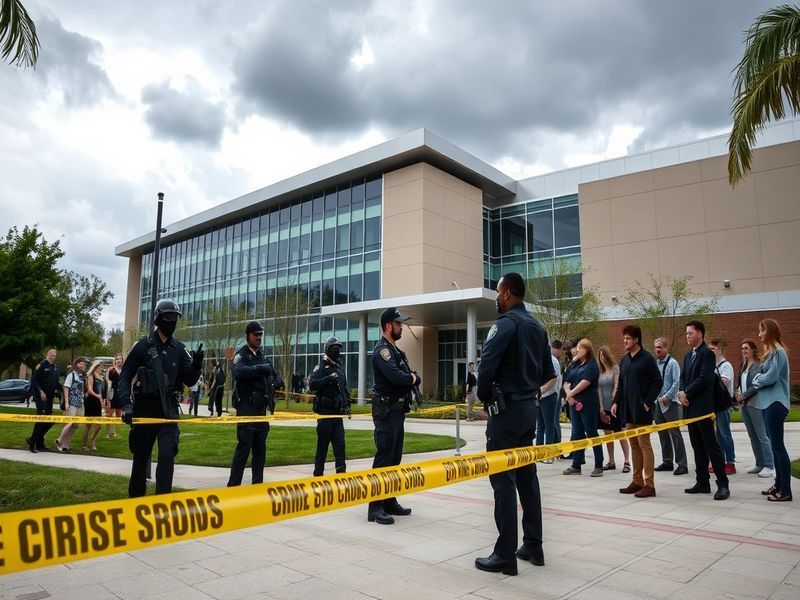
The University of South Florida (USF) faced a significant disruption on a recent weekday when a bomb threat forced the evacuation of multiple buildings across its Tampa campus. The incident sparked immediate responses from campus security, local law enforcement, and emergency management teams, highlighting the challenges universities face in balancing safety protocols with academic continuity.
According to university officials, the threat was received through an anonymous email just after 9:00 a.m. The message contained language suggesting the presence of explosive devices in several key buildings, including the library, student center, and a residence hall. Within minutes, campus police initiated a lockdown and evacuation procedures, prompting thousands of students, faculty, and staff to leave their facilities.
Campus Response and Evacuation Protocols
USF’s emergency response team activated its standard protocol for bomb threats, which includes immediate coordination with the Tampa Police Department, Hillsborough County Sheriff’s Office, and the FBI’s Joint Terrorism Task Force. Authorities conducted a thorough sweep of the affected buildings using bomb-sniffing dogs and advanced detection technology. By early afternoon, officials announced that no explosives were found, and the all-clear was given for re-entry.
The evacuation process demonstrated both the strengths and vulnerabilities of campus safety measures. Students reported orderly exits despite initial confusion, while faculty members noted the importance of clear communication from university leadership. One resident assistant in a campus dorm stated, “The RA staff did a great job getting everyone out quickly, but the follow-up instructions could have been more precise about where to assemble.”
Classes scheduled for the remainder of the day were either canceled or moved to online formats. The university’s emergency notification system sent multiple alerts via email, text, and the USF mobile app, though some students reported delays in receiving updates. The incident underscores the need for robust, redundant communication channels in crisis situations.
Investigation and Legal Implications
Law enforcement agencies are treating the threat as a potential act of domestic terrorism or a malicious hoax. The FBI’s Cyber Division is assisting in tracing the origin of the email, which was sent through an encrypted server. Investigators have not yet identified a suspect but are reviewing surveillance footage and digital evidence.
Legal consequences for making a bomb threat are severe. Under Florida Statute 790.163, a conviction can result in up to 20 years in prison and a $20,000 fine. Universities also impose their own disciplinary actions, including suspension or expulsion for students found responsible. In 2022, a similar incident at another Florida university led to the arrest of a student who later pleaded guilty to making a false report.
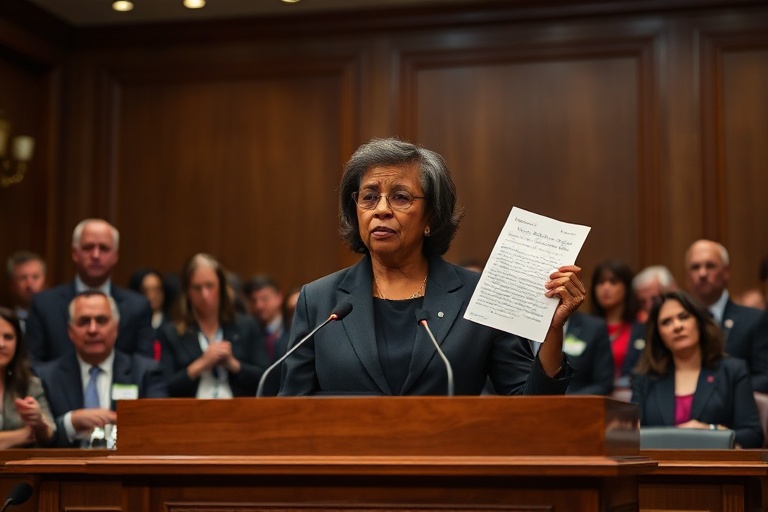
USF officials have emphasized their commitment to pursuing legal action against anyone involved in the threat. “This behavior not only endangers lives but also disrupts the education of thousands of students,” said USF President Rhea Law in a statement released that evening. “We will fully cooperate with law enforcement to ensure accountability.”
Broader Impact on Campus Safety and Mental Health
The psychological impact of such threats cannot be overstated. Many students reported feelings of anxiety and vulnerability, particularly those with prior trauma or anxiety disorders. Counseling services on campus saw a surge in appointments following the incident, with wait times extending to several days. One psychology graduate student noted, “Events like this reinforce the importance of mental health resources, but they also show how quickly support systems can be overwhelmed.”
Universities nationwide have grappled with similar threats in recent years. A 2023 report by the Education section of Dave’s Locker highlighted a 40% increase in bomb threats at higher education institutions since 2020. Factors contributing to this trend include the rise of online extremism, social media challenges, and the lingering effects of pandemic-related stress.
In response, many schools have invested in advanced threat detection software, anonymous reporting systems, and mental health initiatives. USF, for example, recently launched a “See Something, Say Something” campaign in partnership with local law enforcement. The program encourages students and faculty to report suspicious behavior or communications before they escalate.
Lessons Learned and Future Preparedness
While the immediate threat was resolved without incident, the event has prompted a campus-wide review of emergency protocols. University officials have scheduled a series of town hall meetings to gather feedback from students, faculty, and staff. Key areas of focus include improving communication speed, enhancing mental health support, and clarifying evacuation routes.
Some faculty members have called for more robust training on active threat scenarios. “We need to move beyond basic lockdown drills,” said a professor in the College of Public Health. “Real-world simulations that include communication breakdowns and role-playing could better prepare everyone for an actual crisis.”
The incident also raises questions about the role of social media in spreading misinformation during emergencies. False rumors about additional threats circulated on platforms like Twitter and Instagram, forcing campus police to issue additional clarifications. Experts suggest that universities should develop rapid-response social media strategies to combat disinformation in real time.
As the investigation continues, the USF community is left to reflect on the fragility of safety in an era where threats can emerge from anywhere. Yet, there is also a sense of resilience. “We’ve been through this before and we’ll get through it again,” said a senior student involved in the campus emergency response team. “But we can’t afford to be complacent.”
The university has announced plans to host a forum on campus safety next month, open to students, faculty, and local residents. The event will feature speakers from law enforcement, emergency management, and student advocacy groups. Details are available on the News section of Dave’s Locker.
Key Takeaways from the USF Bomb Threat
- Rapid response matters: Campus police and emergency teams acted within minutes, demonstrating the importance of well-rehearsed protocols.
- Communication gaps exist: Delays in notifications and conflicting information highlighted areas for improvement in emergency alert systems.
- Mental health support is critical: The incident exacerbated anxiety for many students, emphasizing the need for accessible counseling services.
- Legal consequences are severe: Hoax threats carry heavy penalties, and universities are increasingly pursuing disciplinary and criminal action.
- Preparedness is ongoing: Threats like this require continuous evaluation of safety measures, training, and community engagement.
How to Stay Informed and Prepared
Students and faculty at USF and other universities can take steps to stay informed and prepared for future threats:
- Ensure emergency contact information is up to date in the university’s alert system.
- Familiarize yourself with evacuation routes and assembly points on campus.
- Report suspicious activity or communications through official channels, such as the USF Police Department’s tip line.
- Attend campus safety workshops or training sessions when available.
- Follow credible sources for updates during emergencies, avoiding unverified social media posts.
The USF bomb threat serves as a reminder of the unpredictable nature of campus safety. While the immediate danger has passed, the lessons learned will shape future policies and preparedness efforts. Universities must remain vigilant, adaptive, and student-centered in their approach to security and emergency response.