As the calendar turns to 2026, millions of Christians around the world will prepare to observe Viernes Santo, a day of solemn remembrance and reverence within Holy Week. Known in English as Good Friday, this observance commemorates the crucifixion of Jesus Christ and holds deep spiritual significance for believers across denominations. The year 2026 presents a unique opportunity to explore how this sacred day is marked differently around the globe, from vibrant processions in Latin America to quiet reflection in European cathedrals.
The Date and Calendar Significance
In 2026, Viernes Santo will fall on April 3, positioning it within the final week of Lent. The date is determined by the lunar calendar, as Holy Week follows the spring equinox and the first full moon after it. This places Viernes Santo between March 20 and April 23 each year, making 2026’s observance relatively late in the spring calendar. The timing influences not only religious observances but also cultural events, tourism, and local economies in predominantly Catholic regions.
Unlike fixed-date holidays, the movable nature of Holy Week creates annual variations in planning for churches, schools, and communities. In countries like Spain and the Philippines, where Catholic traditions run deep, businesses may adjust hours, and public transportation schedules reflect the solemn nature of the day. Meanwhile, in nations where religious diversity is more pronounced, Viernes Santo serves as a reminder of the country’s historical ties to Christianity.
Traditions and Rituals Across Continents
The observance of Viernes Santo is rich with symbolism and ritual, each community adapting centuries-old traditions to modern contexts. Below are some of the most notable practices observed globally:
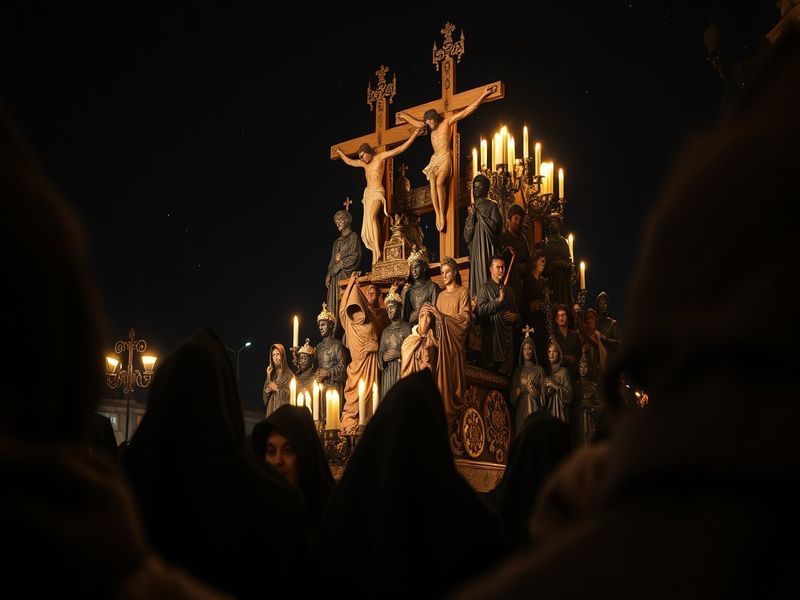
- Processions and Penitence in Spain: In Spain, particularly in Andalusia, massive procesiones wind through cobblestone streets, featuring hooded nazarenos carrying floats depicting scenes from the Passion of Christ. The most famous take place in Seville, where brotherhoods (cofradías) spend months preparing intricate pasos (floats) adorned with flowers and gold. These processions are not merely public displays but deeply personal acts of penance and devotion.
- Silent Reflection in the Philippines: Known for some of the world’s most intense Holy Week observances, the Philippines hosts reenactments of Christ’s crucifixion in towns like San Fernando, Pampanga. Participants volunteer to be physically nailed to crosses, a practice rooted in centuries-old tradition. Meanwhile, in Manila, churches remain open for extended hours, allowing devotees to pray in silence before the Blessed Sacrament.
- Stations of the Cross in Italy: Italy’s historic churches, particularly in Rome and Jerusalem-linked sites, host elaborate Via Crucis (Stations of the Cross) ceremonies. Pope Francis traditionally leads a public Via Crucis at Rome’s Colosseum, a site with deep ties to early Christian martyrdom. The event draws pilgrims and tourists alike, blending historical reverence with modern broadcast coverage.
- Cultural Blends in Latin America: In countries like Mexico and Guatemala, Viernes Santo is observed with a fusion of indigenous and Catholic traditions. In Oaxaca, Mexico, vibrant carpets made of colored sawdust and flowers cover the streets during processions, a tradition blending pre-Hispanic artistry with Christian iconography. Similarly, in Guatemala, processions carry heavy wooden crosses through steep, cobblestone streets, a testament to both faith and community endurance.
Cultural and Social Impact in 2026
The observance of Viernes Santo extends beyond religious boundaries, influencing local economies, tourism, and even social media. In 2026, several trends and developments are likely to shape how the day is experienced:
First, the rise of digital pilgrimage continues to transform how people engage with Holy Week. With livestreams and virtual reality experiences, those unable to attend in person—due to distance, health, or financial constraints—can still participate in global observances. The Vatican’s Culture section often highlights how technology intersects with tradition, and Viernes Santo 2026 will be no exception.
Second, interfaith dialogue initiatives are gaining momentum in multicultural societies. In cities like Toronto and London, interfaith vigils and discussions are held on Viernes Santo, fostering understanding between Christian denominations and other faiths. These events often emphasize shared values such as compassion and sacrifice, resonating beyond the boundaries of any single tradition.
Finally, sustainability is becoming a focus in Holy Week observances. From plastic-free processions in Europe to eco-conscious Holy Week retreats in Latin America, communities are reimagining traditions to align with environmental stewardship. The Catholic Church’s emphasis on care for creation, as outlined in Laudato Si’, is increasingly reflected in how Viernes Santo is celebrated.
Travel and Tourism: A Unique Opportunity
For travelers, Viernes Santo presents a rare chance to witness some of the world’s most powerful religious and cultural traditions. However, visiting during this time requires careful planning, as many destinations experience closures, crowded streets, or altered transportation schedules. Here are some key considerations for those looking to experience Viernes Santo abroad in 2026:
- Spain: Plan months in advance for Seville or Málaga. Hotels fill quickly, and processions can disrupt public transport. Consider arriving early to secure viewing spots along the procession routes.
- The Philippines: If attending a crucifixion reenactment, respect local customs and avoid taking photos without permission. Many participants view the act as a sacred vow, not a spectacle. Also, be mindful of the intense heat and humidity.
- Italy: Rome’s Via Crucis at the Colosseum is free to attend but requires tickets for reserved seating. Book early through the Vatican’s official website. Consider combining your visit with Easter Sunday Mass at St. Peter’s Basilica.
- Mexico and Guatemala: These destinations offer rich cultural experiences but may have limited services on Viernes Santo itself. Visit local markets and museums in the days leading up to the observance for a full cultural immersion.
For those unable to travel, local churches and cultural centers often host public observances. Many cities with Catholic communities, such as New York, Chicago, and Manila, organize bilingual or multicultural events that welcome all attendees, regardless of faith background.
A Day of Reflection in a Fast-Paced World
In an era marked by constant connectivity and rapid change, Viernes Santo offers a rare pause—a day to reflect on sacrifice, redemption, and the enduring power of faith. Whether observed in silence or through boisterous public processions, the day carries universal themes of loss and hope. For many, it is a time to reconnect with family, community, and inner peace.
As 2026 approaches, the observance of Viernes Santo will once again remind the world of the deep cultural and spiritual roots that bind communities across continents. It is a testament to the resilience of tradition in an ever-changing world.