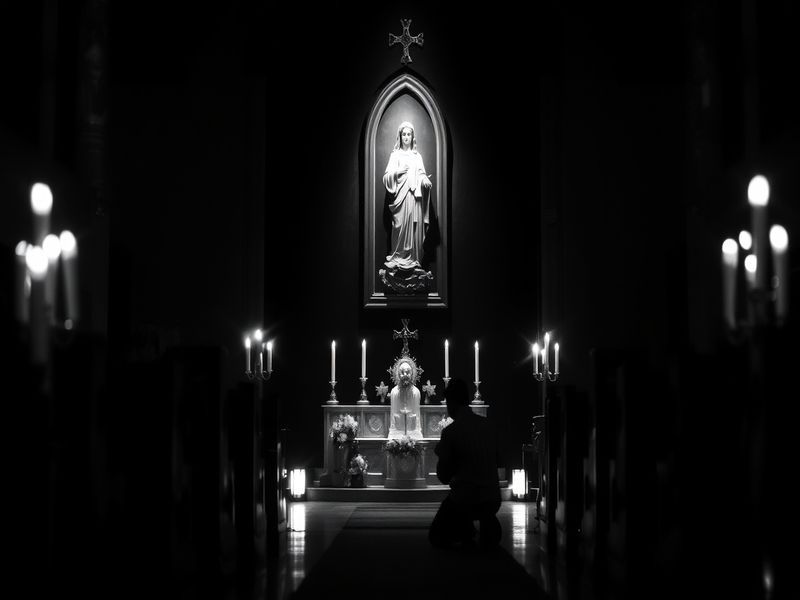
Viernes Santo: History, Global Traditions, and Modern Meaning
“`html
Viernes Santo: History, Traditions, and Modern Observances
The Friday before Easter Sunday, known as Viernes Santo or Good Friday, holds profound significance in Christian communities worldwide. This solemn observance commemorates the crucifixion of Jesus Christ and serves as a pivotal moment in the Holy Week. While rooted in centuries-old traditions, Viernes Santo continues to evolve in modern practice, blending historical reverence with contemporary interpretations.
Globally, the day is marked by a variety of rituals that reflect both cultural heritage and religious devotion. From processions in Spain to sunrise services in the United States, the observance takes many forms. Yet beneath these diverse expressions lies a shared focus on reflection, sacrifice, and redemption. Understanding Viernes Santo requires examining its historical origins, theological importance, and the ways communities adapt its traditions today.
The Historical and Theological Roots of Viernes Santo
Viernes Santo traces its origins to the earliest Christian traditions, with references to the crucifixion appearing in the New Testament. The Gospels of Matthew, Mark, Luke, and John all describe Jesus’ trial, execution, and death on a Friday, traditionally believed to be the day now observed as Good Friday. The term “Good Friday” itself remains a subject of scholarly debate, with theories suggesting it may derive from “God’s Friday” in Old English or reflect the sacred nature of the day.
Theological significance runs deep. Christians view Christ’s crucifixion as the ultimate act of divine love, where the sacrifice of Jesus atones for humanity’s sins. This belief is central to the Christian doctrine of atonement and salvation. The day is thus not merely a historical commemoration but a spiritual focal point that underscores the core message of the Christian faith: redemption through sacrifice.
Historically, the observance of Viernes Santo became formalized during the early centuries of Christianity. By the 4th century, the Council of Nicaea had established Holy Week as a standardized period of observance. The crucifixion narrative became a cornerstone of Christian liturgy, with the Passion story—Jesus’ betrayal, trial, and execution—central to Good Friday services. Over time, the day’s rituals expanded to include fasting, prayer, and acts of penitence.
Global Traditions: How Different Cultures Observe Viernes Santo
While the theological essence of Viernes Santo remains consistent, its cultural expressions vary widely across regions. In Spain, particularly in Andalusia, elaborate processions wind through streets as hooded penitents carry floats depicting scenes from the Passion. These pasos—intricately carved wooden statues—are accompanied by solemn music and crowds in reverent silence.
In the Philippines, one of the most intense observances occurs. Some devotees participate in actual crucifixions, a practice known as Santo Entierro, where individuals are nailed to crosses in imitation of Jesus’ suffering. While controversial, this tradition highlights the depth of personal devotion and the lengths to which some believers go to express faith.
In Germany, Good Friday is a day of strict solemnity. Public entertainment, such as concerts and sporting events, is often prohibited by law to maintain the day’s sacred character. Meanwhile, in Mexico, communities reenact the crucifixion through theatrical performances, blending indigenous traditions with Catholic rituals.
These diverse practices reflect how local cultures integrate global religious narratives into their own identities. They also demonstrate the adaptability of faith—a theme that resonates in modern interpretations of Viernes Santo.
Key Observances Around the World
- Spain (Andalusia): Processions with floats, hooded penitents, and solemn chants.
- Philippines: Public crucifixions and reenactments of Jesus’ suffering.
- Germany: Restrictions on public entertainment; focus on prayer and reflection.
- Italy: Via Crucis (Stations of the Cross) processions, often led by the Pope in Rome.
- United States: Ecumenical sunrise services, prayer vigils, and abstinence from meat.
The Modern Evolution of Viernes Santo
In contemporary society, Viernes Santo faces both challenges and opportunities. Secularization in many Western nations has led to a decline in traditional observance, particularly among younger generations. Yet, paradoxically, interest in spiritual practices—including those tied to Holy Week—has grown in some communities. This reflects a broader search for meaning in an increasingly complex world.
Technology has also transformed how people engage with Viernes Santo. Livestreamed services allow global audiences to participate in real time, while social media amplifies calls for reflection and charity. Many churches now use digital platforms to share prayers, meditations, and educational content about the day’s significance.
Another modern development is the blending of cultural and religious observance. In multicultural societies, non-Christian communities often participate in interfaith dialogues or cultural events tied to Holy Week. This can foster greater understanding but also raises questions about the preservation of traditional rituals.
Environmental concerns have also entered the conversation. Some faith leaders now incorporate themes of ecological stewardship into Viernes Santo reflections, drawing parallels between sacrifice and care for creation. This reflects a growing recognition that spiritual observance must address contemporary global challenges.
Why Viernes Santo Still Matters Today
Despite societal changes, Viernes Santo remains a powerful symbol of sacrifice, redemption, and community. In an era marked by division and uncertainty, the day offers a moment of pause—a chance to reflect on suffering, resilience, and hope. Its rituals, whether ancient or adapted, provide structure for grief, gratitude, and renewal.
For many, the observance is deeply personal. It may be a time of mourning, a call to action, or a reminder of faith’s endurance. For others, it serves as a cultural touchstone, connecting generations through shared tradition. Regardless of individual beliefs, Viernes Santo invites all to consider the weight of sacrifice and the possibility of transformation.
As society continues to evolve, so too will the ways we observe Viernes Santo. Yet its core message endures: that even in darkness, there is the potential for light. Whether through prayer, service, or quiet reflection, the day challenges participants to confront their own vulnerabilities and, in doing so, find strength.
A Call to Reflection
Viernes Santo is more than a historical event. It is a living tradition that invites participation, questioning, and meaning-making. In a world often marked by speed and distraction, the day demands stillness—an opportunity to confront the profound and the personal.
For those observing it, whether through centuries-old rituals or modern adaptations, Viernes Santo remains a testament to the enduring power of faith, community, and sacrifice.
To explore more on religious observances and their cultural intersections, visit our Culture and Entertainment sections for deeper analysis and perspectives.