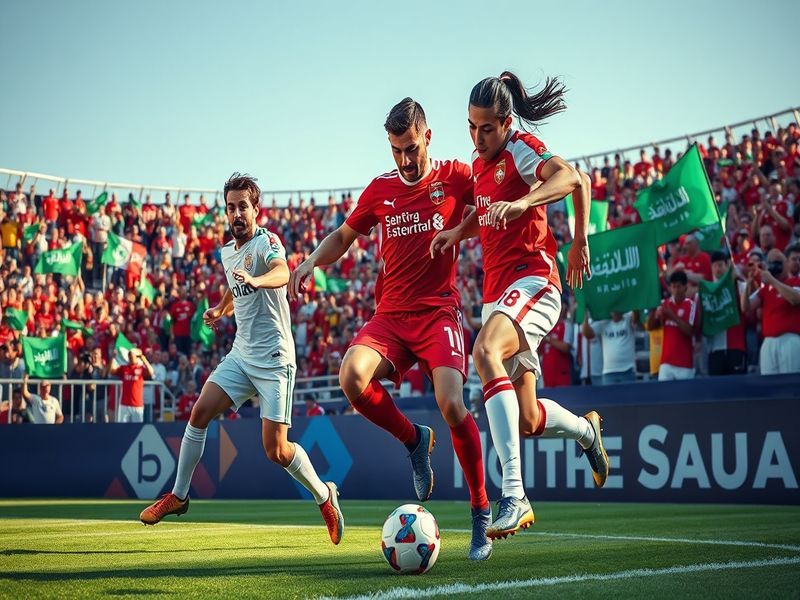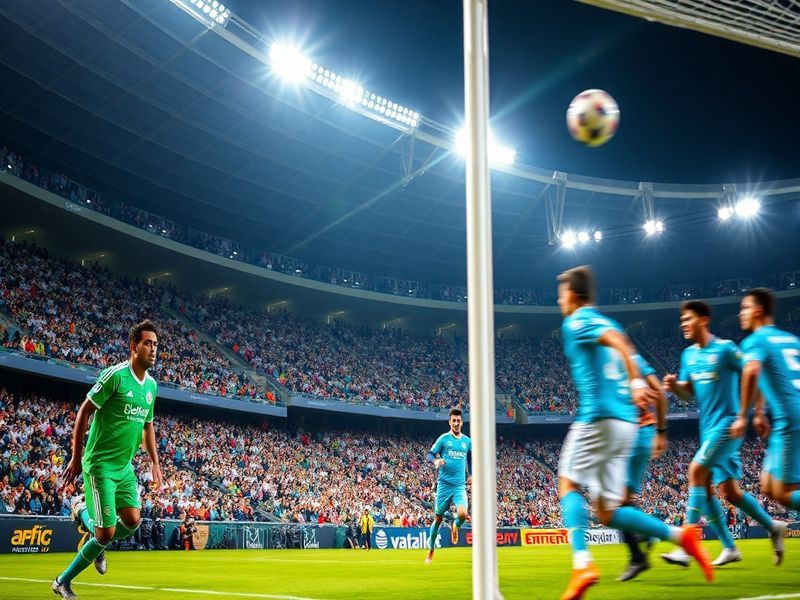
In the high-stakes world of the Saudi Pro League, few fixtures generate as much anticipation as the showdown between Al-Hilal and Al-Taawoun. This rivalry, though not as historically charged as some of the league’s other contests, has evolved into a must-watch spectacle due to the contrasting styles and ambitions of the two clubs. For neutrals, it offers a blend of tactical intrigue and high-octane action; for fans, it’s a chance to witness stars in their prime battle for supremacy.
The Rivalry’s Origins and Evolution
Al-Hilal, based in Riyadh, stands as one of Saudi Arabia’s most decorated clubs, with a legacy that includes over 60 domestic trophies and a reputation as a consistent contender in continental competitions. Their history is one of dominance, both in the Saudi Pro League and in the AFC Champions League, where they have repeatedly sought to assert their regional authority. The club’s recent recruitment strategy, marked by high-profile signings from European leagues, has only amplified their global profile.
Al-Taawoun, hailing from Buraidah, represents a different philosophy. While not traditionally among the league’s elite, the club has steadily climbed the ranks through astute management and a commitment to developing local talent. Their rise in recent years has been notable, culminating in a historic fourth-place finish in the 2022-23 season and a subsequent qualification for the AFC Champions League. This newfound stature has transformed their matches against giants like Al-Hilal into battles for respect and recognition.
Key Factors Behind Al-Taawoun’s Recent Surge
Al-Taawoun’s transformation from underdog to legitimate contender can be attributed to several strategic pillars:
- Investment in Youth Development: The club has prioritized its academy system, producing talents like forward Abdulrahman Al-Obud and midfielder Abdullah Al-Hamdan, who have become key players in their recent successes.
- Smart Recruitment: Rather than chasing expensive marquee signings, Al-Taawoun has focused on signing experienced professionals and emerging talents who can integrate quickly and deliver immediate impact.
- Tactical Flexibility: Under managers like Romanian coach Marius Șumudică, the team has adopted a fluid, possession-based style that disrupts traditional Saudi football’s physicality.
- Home Advantage: Al-Taawoun’s King Abdullah Sport City Stadium is notoriously difficult to visit, with a passionate fanbase creating an intimidating atmosphere for visiting teams.
Tactical Preview: Contrasting Styles Collide
The tactical battle in this fixture promises to be as compelling as the individual matchups. Al-Hilal, under the guidance of Spanish coach Ramón Varela, operates with a structured 4-2-3-1 formation that emphasizes positional discipline and quick transitions. Their midfield duo, often featuring the likes of Kalidou Koulibaly and Neymar (when fit), provides both defensive solidity and creative sparkle. Up front, Aleksandar Mitrović’s physical presence and movement create constant headaches for defenders.
Al-Taawoun, meanwhile, lines up in a fluid 4-3-3 that allows their wingers to drift centrally and overload midfield areas. Their approach is built on quick, short passing and relentless pressing to force turnovers. The key to their success will be neutralizing Al-Hilal’s midfield creativity while exploiting spaces behind the defensive line. If they can force Koulibaly or Mitrović into mistakes, their counterattacking prowess could prove decisive.
The Psychological Edge
Beyond tactics, the mental aspect of this fixture cannot be overstated. Al-Hilal arrives as overwhelming favorites, which could either inspire their players to elevate their performance or create a sense of complacency. Al-Taawoun, meanwhile, carries the burden of expectation from their fanbase, who now view them as legitimate title challengers rather than plucky underdogs.
Psychological factors often determine the outcome in closely contested matches. Al-Taawoun’s recent performances suggest they thrive when facing pressure, while Al-Hilal’s history of high-stakes battles (such as their AFC Champions League finals) shows they perform best when their backs are against the wall. This clash of mentalities adds another layer to what is already a compelling narrative.
Broader Implications for Saudi Football
Matches between Al-Hilal and Al-Taawoun are no longer just about three points. They represent a microcosm of the Saudi Pro League’s broader transformation under the country’s Vision 2030 initiative. The league’s push to attract global talent, improve infrastructure, and enhance competitiveness is evident in these high-profile encounters.
For Al-Hilal, consistent victories against ambitious challengers like Al-Taawoun are essential to maintaining their status as Saudi Arabia’s premier club. Their ability to navigate these fixtures with authority will influence their domestic dominance and continental ambitions. A strong showing could also strengthen their case for hosting major tournaments or attracting even more star players.
For Al-Taawoun, each match against a traditional powerhouse is an opportunity to validate their progress and stake their claim as a permanent fixture in the upper echelon of Saudi football. Their performances in these games will determine whether they can sustain their recent upward trajectory or risk being left behind in the league’s rapidly evolving landscape.
The League’s Competitive Balance
The Saudi Pro League’s competitive balance has improved dramatically in recent years. Gone are the days when Al-Hilal and Al-Ittihad monopolized the title race. Now, clubs like Al-Nassr (with Cristiano Ronaldo), Al-Ahli (with Roberto Firmino), and Al-Ettifaq (with Jordan Henderson) have entered the fray, creating a more unpredictable environment. In this context, Al-Taawoun’s emergence as a consistent top-four side is a positive development for the league’s overall health.
This newfound parity benefits the league in several ways:
- Enhanced Fan Engagement: More competitive matches lead to increased attendance and viewership, both domestically and internationally.
- Improved Player Development: When young Saudi talents face tougher opposition regularly, their development accelerates.
- Greater Investment Attraction: A league where multiple teams can challenge for titles is more appealing to sponsors and investors.
- Stronger National Team Prospects: The Saudi national team benefits from players who have tested themselves against the best in high-pressure situations.
Conclusion: More Than Just a Football Match
The Al-Hilal vs Al-Taawoun fixture encapsulates many of the themes currently shaping Saudi football. It’s a clash between tradition and ambition, between established power and rising force. While Al-Hilal’s pedigree and resources make them favorites, Al-Taawoun’s evolution into a competitive force has added a new dimension to their encounters.
For fans, these matches offer entertainment, drama, and a glimpse into the future of Saudi football. For the league, they represent progress and the realization of Vision 2030’s goals. And for the players, they provide a stage to showcase their talents and stake their claims in a rapidly professionalizing football environment.
As the Saudi Pro League continues its ascent on the global stage, fixtures like this one will play a crucial role in defining its identity. Whether you’re a neutral observer or a die-hard supporter, the Al-Hilal vs Al-Taawoun rivalry is one worth watching closely. The next chapter in this compelling narrative is just around the corner.
For more analysis on Saudi football’s rising stars and tactical trends, visit our Sports and Analysis sections.