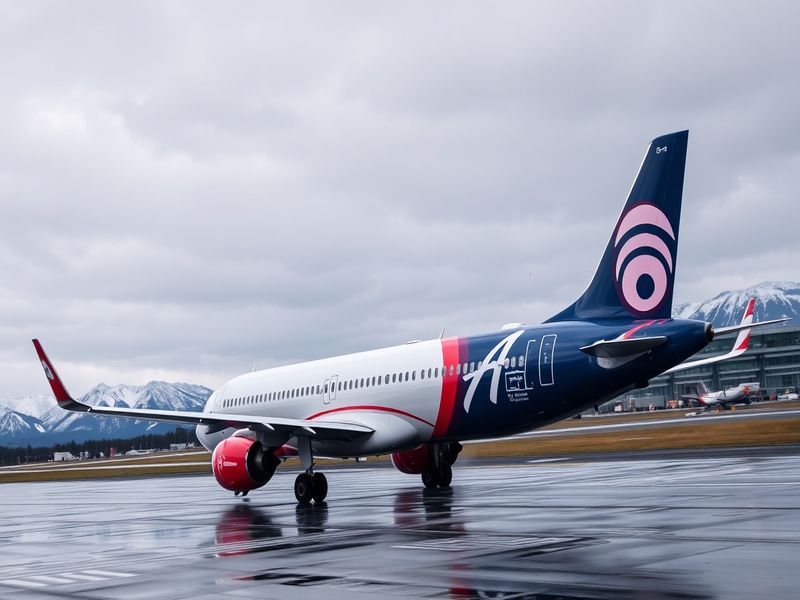
Alaska Airlines: Innovation, Customer Service and Growth in Aviation
Alaska Airlines has long stood as a beacon of reliability and innovation in the U.S. airline industry. Since its founding in 1932 as McGee Airways, the airline has grown from a small regional carrier into a major player, serving over 120 destinations across the United States, Mexico, and Canada. Its reputation is built on a commitment to customer service, operational excellence, and strategic growth—qualities that set it apart in an industry often criticized for inconsistency.
What began as a single-seaplane operation in Anchorage, Alaska, has evolved into a modern fleet of more than 300 aircraft, including the Boeing 737 MAX and Airbus A321neo. Alaska Airlines has consistently ranked at the top of customer satisfaction surveys, including J.D. Power’s North America Airline Satisfaction Study, where it has earned top honors multiple times. This success is not accidental; it reflects deliberate choices in fleet modernization, route expansion, and a deep understanding of passenger needs.
The Fleet of the Future: Modernization and Sustainability
One of the most visible aspects of Alaska Airlines’ evolution is its fleet renewal program. Over the past decade, the airline has invested billions in replacing older aircraft with more fuel-efficient models. The Boeing 737 MAX, introduced in 2019, is a cornerstone of this strategy, offering a 14% reduction in fuel consumption compared to previous generations. Alaska was also an early adopter of the Airbus A321neo, which provides additional range and capacity for transcontinental routes.
Beyond efficiency, sustainability has become a key focus. Alaska Airlines has committed to achieving net-zero carbon emissions by 2040, a goal that includes sustainable aviation fuel (SAF) adoption and fleet electrification. In 2023, the airline became the first in North America to fly a commercial passenger flight using 100% SAF in one engine. While small-scale, this milestone underscores a broader industry trend toward greener operations.
This commitment to innovation extends to onboard experience as well. Alaska Airlines was among the first to introduce features like free messaging via satellite Wi-Fi, pre-ordered meals on longer flights, and an expanded selection of craft beers and local wines. These touches reflect an airline that understands modern travelers value both convenience and quality.
Route Strategy: Connecting Communities and Expanding Reach
Alaska Airlines’ route network is a carefully calibrated balance between high-density corridors and underserved markets. Its hub-and-spoke model, centered in Seattle, San Francisco, and Los Angeles, allows for efficient connections between major cities and smaller communities in Alaska, the Pacific Northwest, and beyond. This structure has made Alaska a lifeline for rural areas, where air travel is often the only practical option for reaching urban centers.
The airline’s partnership with American Airlines, part of the oneworld alliance, has further expanded its reach. Through this collaboration, Alaska Airlines customers gain access to hundreds of additional destinations worldwide, while maintaining a seamless booking and loyalty experience. This alliance has been particularly beneficial for travelers looking to connect between the West Coast and international hubs like London or Tokyo.
In recent years, Alaska has also aggressively expanded its presence in California, adding nonstop service from San Diego to New York and Seattle to San Antonio. These routes cater to both leisure and business travelers, positioning the airline as a versatile option in a competitive market. Such expansions are not just about growth—they’re about filling gaps left by larger carriers that often prioritize profitability over accessibility.
Customer Experience: Where Personalization Meets Consistency
Alaska Airlines’ customer service philosophy is rooted in consistency and personalization. Unlike some carriers that treat loyalty programs as an afterthought, Alaska’s Mileage Plan is consistently ranked among the best in the industry. Members earn miles not just from flights but also from everyday spending with partners like Bank of America and Lyft. The program’s flexibility—allowing transfers to partners like Cathay Pacific and Qantas—makes it highly attractive to frequent flyers.
The airline’s approach to customer service extends beyond rewards. Alaska has invested heavily in employee training, emphasizing empathy and problem-solving. Flight attendants are encouraged to go beyond the script, whether it’s accommodating a nervous flyer or handling a delayed bag with care. This human-centric approach has earned the airline a loyal following, particularly among travelers who value reliability over frills.
Another standout feature is Alaska’s commitment to minimizing disruptions. The airline has one of the lowest rates of flight cancellations and delays in the industry, a testament to its operational discipline. When issues do arise, Alaska’s customer service teams are empowered to resolve them quickly, often offering vouchers or rebooking options before passengers even ask.
Challenges and Opportunities: Navigating Industry Turbulence
Despite its strengths, Alaska Airlines is not immune to industry challenges. Rising fuel costs, labor shortages, and competitive pressure from ultra-low-cost carriers like Spirit and Frontier have squeezed margins. The airline has responded by implementing dynamic pricing models and optimizing its route network to focus on high-demand corridors. However, these strategies require a delicate balance—expanding too aggressively can strain resources, while cutting too deeply risks alienating customers.
Labor relations have also been a focal point. In 2022, Alaska Airlines reached a tentative agreement with its flight attendants’ union after months of negotiations, avoiding a potential strike that could have disrupted operations. The agreement included wage increases and improved scheduling flexibility, reflecting the airline’s commitment to fair labor practices. Such agreements are critical for maintaining stability in an industry where workforce morale directly impacts service quality.
Looking ahead, Alaska Airlines faces both opportunities and threats. The post-pandemic rebound in travel demand has been a boon, with load factors returning to pre-2020 levels. However, the rise of remote work has altered travel patterns, with business travel—historically a key revenue driver—slow to recover. Alaska’s strategy to adapt includes targeting leisure travelers and positioning itself as an ideal option for West Coast residents seeking quick getaways to Hawaii or Mexico.
The airline is also exploring new revenue streams, such as partnerships with hotels and rental car companies, to create bundled travel packages. These initiatives align with a broader trend in the industry toward diversifying income sources beyond ticket sales. By leveraging its strong brand reputation, Alaska Airlines is well-positioned to capitalize on these opportunities.
What’s Next for Alaska Airlines?
As Alaska Airlines looks to the future, its priorities are clear: sustainability, customer loyalty, and operational resilience. The airline’s investments in SAF and fleet modernization demonstrate a forward-thinking approach that could pay dividends as the industry grapples with climate change regulations and consumer demand for greener options. Meanwhile, its focus on personalized service and reliable operations ensures it remains a preferred choice for travelers who prioritize consistency over gimmicks.
For those considering Alaska Airlines for their next trip, the airline offers a compelling value proposition. Whether flying from a major hub like Seattle or a smaller outpost in Alaska, passengers can expect a smooth experience with fewer headaches than many competitors. The Mileage Plan loyalty program adds another layer of appeal, making it easy to earn and redeem rewards across a broad network.
As the airline industry continues to evolve, Alaska Airlines stands out as a model of how to balance growth with customer-centric values. Its story is one of adaptation—rooted in its Alaskan heritage but always looking ahead to the next horizon. For travelers seeking an airline that delivers on its promises, Alaska Airlines remains a top choice.
For more insights on airline industry trends, visit our Travel category. To explore other carriers and their strategies, check out our Entertainment section for travel-related reviews and analyses.