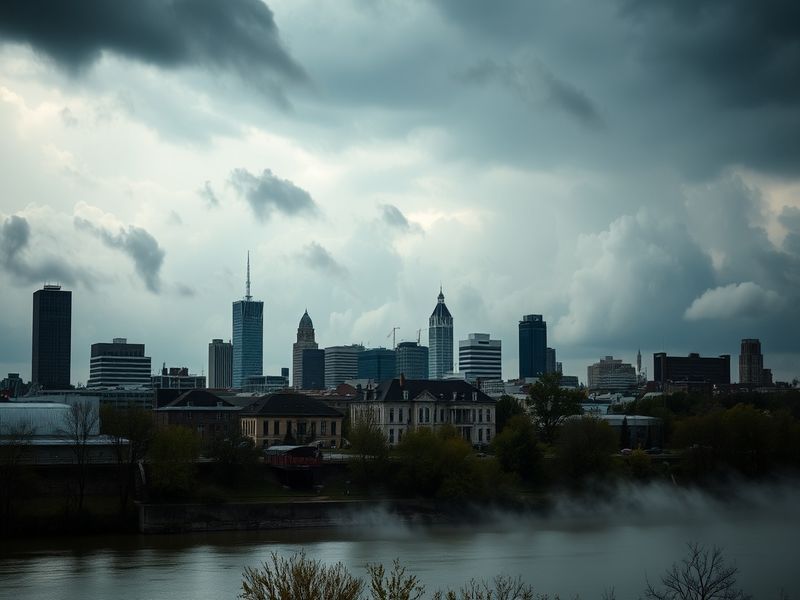
Fort Smith, Arkansas, sits at the intersection of regional weather systems, where the humid subtropical climate of the South collides with the unpredictable patterns of the Great Plains. This geographic crossroads makes the area’s weather both fascinating and challenging to predict. From sweltering summers to icy winters, residents navigate a climate that demands constant adaptation.
The Seasonal Shifts: What to Expect in Fort Smith
Fort Smith’s weather follows a distinct seasonal rhythm, each with its own set of challenges and charms. Spring arrives with warmth and moisture, often bringing severe thunderstorms and tornadoes—a hallmark of Tornado Alley’s eastern edge. Summers are long, hot, and humid, with temperatures frequently climbing into the 90s and heat indices making it feel even hotter. The transition to fall brings relief, though the region remains prone to sudden weather changes, including early frost or lingering tropical moisture.
Winters are typically mild but unpredictable. While snowfall is relatively rare, ice storms can paralyze the region for days. The city averages just over 4 inches of snow annually, but a single event can dump more than a foot. These fluctuations underscore the need for residents to stay prepared year-round, regardless of the season.
Key Seasonal Weather Patterns in Fort Smith
- Spring (March–May): High humidity, frequent thunderstorms, and tornado risks. Average highs range from the 60s to 80s.
- Summer (June–August): Hot and humid with temperatures often exceeding 90°F. Heat advisories are common.
- Fall (September–November): Gradual cooling, but lingering tropical systems can bring heavy rain. Frost arrives by late October.
- Winter (December–February): Mild but volatile. Ice storms are a bigger threat than snow, with average highs in the 40s and 50s.
How Geography Influences Fort Smith’s Weather
Fort Smith’s location near the Arkansas-Oklahoma border places it in a unique meteorological zone. The city lies in the Arkansas River Valley, a natural corridor that funnels air masses from the Gulf of Mexico northward. This geography amplifies the impact of both tropical moisture and Arctic blasts, creating a climate that is both diverse and volatile.
To the west, the Ozark and Ouachita Mountains act as barriers, altering wind patterns and precipitation. When moisture from the Gulf collides with cooler air from the Rockies or Canada, the result is often intense weather—whether it’s a line of supercell thunderstorms or a sudden temperature drop. The region’s topography also contributes to localized flooding, particularly in low-lying areas along the Arkansas River.
Climate change is further complicating these patterns. Rising global temperatures are increasing the frequency of extreme weather events, from stronger thunderstorms to longer heatwaves. Fort Smith has seen a noticeable uptick in heavy rainfall events over the past two decades, a trend consistent with broader shifts in the region’s climate.
The Human Impact: Preparing for Fort Smith’s Weather
For residents, Fort Smith’s weather is more than just small talk—it’s a factor in daily life. Agriculture, infrastructure, and public safety all hinge on understanding and adapting to these patterns. Farmers, for instance, must contend with unpredictable growing seasons, while emergency responders prepare for the worst-case scenarios during storm season.
The city has invested in improved weather monitoring and early warning systems, but challenges remain. Urban heat islands, where concrete and asphalt trap heat, exacerbate summer temperatures in downtown areas. Meanwhile, aging infrastructure struggles to handle the deluge of heavy rain events, leading to localized flooding in older neighborhoods.
Public awareness is critical. Residents should have multiple ways to receive weather alerts, including NOAA Weather Radio and smartphone notifications. Emergency kits with essentials like water, non-perishable food, and flashlights are a must, especially during tornado season. Local schools and businesses conduct regular drills to ensure readiness, a testament to the community’s resilience.
Essential Weather Preparedness Tips for Fort Smith Residents
- Stay Informed: Sign up for local alerts through the News section of Dave’s Locker or the National Weather Service.
- Prepare an Emergency Kit: Include water, food, medications, a flashlight, batteries, and a first-aid kit.
- Know Your Shelter Options: Identify the safest room in your home (usually an interior bathroom or basement) for tornadoes.
- Check Your Insurance: Ensure coverage for floods, wind damage, and other weather-related risks.
- Monitor Heat and Cold: During summer, limit outdoor activities during peak heat. In winter, protect pipes from freezing and check on vulnerable neighbors.
Looking Ahead: The Future of Fort Smith’s Climate
As climate change continues to reshape regional weather patterns, Fort Smith faces a future of greater unpredictability. Scientists project that the region will experience more frequent and intense rainfall events, as well as longer periods of extreme heat. These changes could strain local resources, from water management systems to public health infrastructure.
Adaptation will be key. The city is exploring green infrastructure projects, such as rain gardens and permeable pavement, to mitigate flooding. Urban planning efforts aim to reduce heat island effects by increasing green spaces and tree cover. Meanwhile, community programs focus on educating residents about climate risks and preparedness.
Fort Smith’s weather is a reminder of nature’s power and unpredictability. While the challenges are real, the community’s adaptability offers hope. By staying informed, prepared, and proactive, residents can weather whatever comes their way.
For more insights into how weather impacts daily life in Fort Smith—and across Arkansas—visit the Analysis section of Dave’s Locker. Here, we break down the latest trends and their broader implications for the region.
Fort Smith’s climate is a dynamic force, shaping everything from agriculture to urban development. Understanding these patterns isn’t just about staying safe—it’s about building a resilient future for the community.