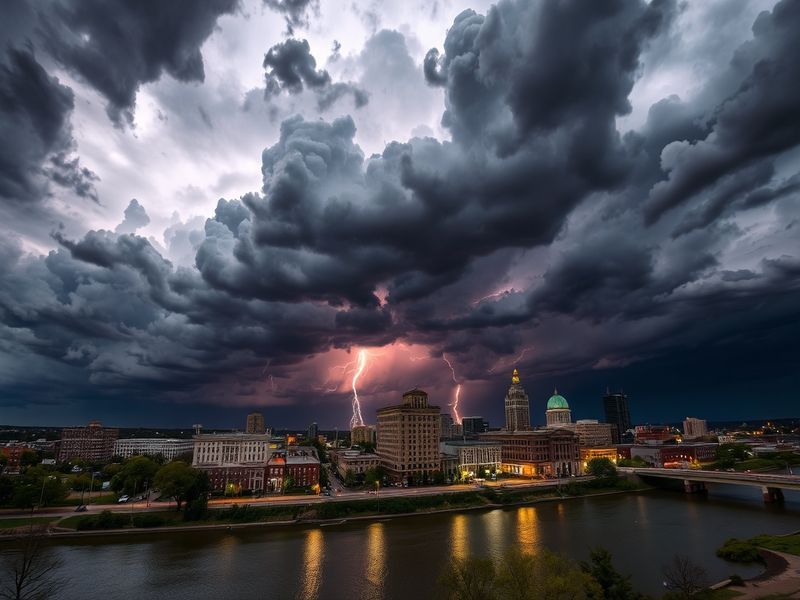
Fort Smith Weather: Seasonal Patterns and Extreme Events Explained
Fort Smith, Arkansas, sits at the confluence of the Arkansas and Poteau rivers, creating a climate that blends the humid subtropical patterns of the South with the occasional volatility of the Great Plains. The city experiences four distinct seasons, each with its own character and challenges. Understanding Fort Smith’s weather requires more than glancing at a forecast—it demands recognition of how geography, elevation, and seasonal shifts shape daily life for residents and visitors alike.
The Four Seasons in Fort Smith: A Breakdown
Winter in Fort Smith is typically mild but unpredictable. While snowfall is infrequent—averaging just 3.5 inches annually—cold snaps can drop temperatures into the 20s or lower. The city’s location in the Arkansas River Valley exposes it to Arctic air masses that sweep down from the north, sometimes colliding with warmer, moisture-laden air from the Gulf. This clash often produces icy precipitation rather than heavy snow, creating hazardous driving conditions on bridges and overpasses that lack natural protection from freezing temperatures.
Spring arrives with dramatic shifts. March and April bring frequent thunderstorms, fueled by warm, humid air rising from the Gulf of Mexico. These storms can intensify quickly, producing hail, strong winds, and occasionally tornadoes. Fort Smith lies within the heart of Tornado Alley’s southern extension, meaning residents must stay alert during peak season from March to May. The city has experienced notable tornado events, including an EF-2 twister in 2011 that damaged homes and businesses near the airport.
- Average spring rainfall: 13.4 inches (March–May)
- Peak tornado risk: Late afternoon and evening
- Common severe weather triggers: Dryline collisions with warm fronts
Summer transforms Fort Smith into a hot, humid environment. Temperatures regularly climb into the upper 90s, with heat indices exceeding 110°F during July and August. The urban heat island effect, amplified by pavement and buildings, makes downtown areas feel even warmer. Thunderstorms remain frequent in summer, often forming as pulse storms in the afternoon—brief but intense cells that dump heavy rain and lightning in localized bursts. These storms help break the heat but also contribute to flash flooding in low-lying neighborhoods near the river.
Extreme Weather Events: A Look at Fort Smith’s Most Notorious Storms
Fort Smith’s history is marked by several weather disasters that have reshaped infrastructure and emergency response protocols. One of the most devastating was the 1999 tornado outbreak on April 3, which produced multiple twisters across western Arkansas and eastern Oklahoma. Though Fort Smith itself was spared a direct hit, the event prompted the National Weather Service to upgrade Doppler radar systems and improve public warning dissemination.
Flooding represents another persistent threat. The Arkansas River crested at 40.7 feet in 1945, submerging parts of the city and prompting the construction of levees. While modern flood control measures have reduced risks, heavy rain events—such as those in May 2019—can overwhelm drainage systems, particularly in older neighborhoods west of the city center. These floods often isolate communities for days and disrupt supply chains, including access to local dining spots that rely on fresh deliveries.
Ice storms, though less frequent, have caused prolonged power outages. The event of January 2017 left thousands without electricity for over 48 hours during subfreezing temperatures. The city’s aging utility infrastructure and the vulnerability of above-ground power lines to ice accumulation highlighted the need for resilience planning, especially as climate patterns grow more erratic.
How Climate Change Is Influencing Fort Smith’s Weather Patterns
Long-term climate data from the National Oceanic and Atmospheric Administration (NOAA) indicates Fort Smith is experiencing measurable shifts. Average annual temperatures have risen by approximately 1.5°F over the past 50 years, with nighttime lows increasing more rapidly than daytime highs. This trend aligns with broader regional patterns across the southeastern United States, where warming is most pronounced during winter and spring.
Precipitation patterns are also changing. While total annual rainfall has remained relatively stable, the distribution has become more uneven. Heavy rainfall events—defined as those exceeding two inches in 24 hours—have increased in frequency by about 25% since 1970. This intensification correlates with warmer air holding more moisture, a direct consequence of climate change. Such events pose growing challenges for the city’s stormwater management system, which was designed for less extreme conditions.
Additionally, the growing season has lengthened by nearly two weeks since 1980, allowing for earlier planting and extended agricultural activity. However, this also extends the window for heat stress on crops and increases the risk of late-spring freezes damaging early blooms.
Practical Tips for Residents and Visitors
Living in or visiting Fort Smith requires preparation for rapid weather changes. During thunderstorm season, the National Weather Service recommends having multiple ways to receive alerts, including NOAA Weather Radio and smartphone apps like the NWS Mobile app or local news station apps. A basic emergency kit—containing water, non-perishable food, flashlights, and first aid supplies—should be kept accessible year-round.
For those new to the area, understanding the geography helps in anticipating weather impacts. Areas near the Arkansas River and Poteau River are prone to localized flooding during heavy rain. The Boston Mountains to the south can act as a barrier, sometimes enhancing storm development as moisture is forced upward. Residents in elevated neighborhoods, such as those in the southeast part of the city, generally experience cooler temperatures and less fog than those in river valleys.
Travelers should plan outdoor activities during morning hours in summer to avoid peak heat and afternoon storm risk. Winter visitors should be prepared for sudden temperature drops, especially at night. Checking forecasts from the local travel resources can provide insights into road conditions and event disruptions during severe weather.
Fort Smith’s weather is not just background noise—it’s an active participant in daily life. From the quiet chill of winter mornings to the sudden roar of spring storms, the city’s climate shapes everything from school schedules to festival planning. By respecting its patterns and preparing for its extremes, residents and visitors alike can not only survive but thrive in this ever-changing environment.