The Restaurant Industry: A Global Tapestry of Tradition, Innovation, and Survival
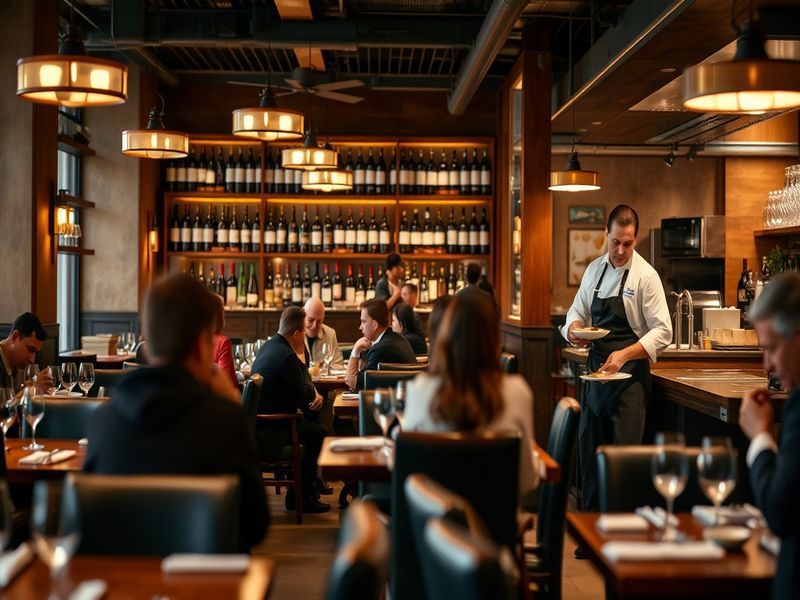
The restaurant industry is more than a collection of kitchens and dining rooms. It is a living, breathing entity shaped by history, economics, and culture. From the bustling street food stalls of Bangkok to the Michelin-starred temples of Paris, restaurants reflect the values, tastes, and struggles of the societies they serve. This sector is not just about feeding people; it is about storytelling, identity, and adaptation in an ever-changing world.
Globally, the restaurant industry contributes trillions to the economy and employs millions. In the United States alone, the National Restaurant Association reports annual sales exceeding $900 billion, supporting over 15 million workers. Yet, these numbers mask a complex reality. Behind the polished storefronts and viral social media posts lies a sector grappling with rising costs, labor shortages, and shifting consumer expectations. The COVID-19 pandemic accelerated many of these pressures, forcing restaurants to rethink everything from supply chains to service models.
The Cultural Fabric of Global Cuisine
Food is one of the most direct ways cultures express themselves. A single dish can carry centuries of tradition, migration, and adaptation. Consider the Italian trattoria, where recipes passed down through generations become a point of pride. Or the Japanese izakaya, a social hub blending food, drink, and community. These establishments are not just places to eat; they are cultural institutions.
Migration has played a pivotal role in shaping global menus. The spread of Chinese cuisine across Southeast Asia, for example, reflects centuries of trade and cultural exchange. In London, Brick Lane’s curry houses tell the story of South Asian migration, while New York’s Chinatown offers a taste of Cantonese heritage. These culinary crossroads highlight how food becomes a bridge between communities.
Yet, globalization also brings challenges. Indigenous cuisines risk being diluted or co-opted, as global chains standardize flavors to appeal to mass audiences. The rise of “fusion” cuisine, while innovative, sometimes erases the authenticity of traditional dishes. The tension between preservation and innovation is a defining debate in the modern restaurant world.
The Economics of Eating Out: Costs, Margins, and Survival
The economics of the restaurant industry are notoriously tight. Profit margins hover around 3-5% for many establishments, leaving little room for error. Rising food costs, fueled by inflation and supply chain disruptions, squeeze operators further. According to the U.S. Bureau of Labor Statistics, food prices increased by over 10% in 2022 alone, forcing restaurants to adjust menus or absorb losses.
Labor costs present another hurdle. The pandemic exposed the fragility of the industry’s reliance on low-wage workers. Many restaurants now offer higher wages and better benefits to attract talent, but these changes cut into already slim profits. Automation is one solution, with some chains experimenting with robot servers and AI-driven kitchens. However, critics argue that technology cannot replicate the human touch that defines hospitality.
For independent restaurants, survival often depends on creativity. Pop-ups, food trucks, and ghost kitchens have become popular alternatives to traditional brick-and-mortar models. These formats reduce overhead while allowing chefs to test new concepts. In cities like Los Angeles and Berlin, underground dining experiences offer exclusive meals at premium prices, catering to food enthusiasts willing to pay for uniqueness.
The Rise of Experiential Dining
Today’s diners crave more than just a meal; they seek an experience. This shift has given rise to a new wave of experiential dining, where ambiance, storytelling, and interactivity take center stage. Themed restaurants, such as those inspired by movies or fantasy worlds, blur the line between dining and entertainment. In Japan, themed cafés—from owl cafés to robot-themed eateries—have become tourist attractions in their own right.
Immersive dining experiences are also gaining traction. In London, entertainment venues like Dans Le Noir? offer meals in complete darkness, forcing diners to rely on taste and touch. Similarly, sensory dining rooms in Copenhagen and Tokyo use lighting, sound, and even scent to create unforgettable meals. These concepts push the boundaries of what a restaurant can be, transforming dining into a multisensory adventure.
Yet, not all trends are universally welcomed. Some critics argue that experiential dining prioritizes spectacle over substance, leaving diners more focused on Instagram-worthy moments than the food itself. Others worry about the sustainability of such models, given their reliance on gimmicks rather than culinary skill.
The Future: Sustainability, Technology, and Community
The next decade will test the restaurant industry’s ability to adapt. Sustainability is no longer optional; it is a necessity. Diners increasingly demand transparency about sourcing, with many willing to pay a premium for ethically produced food. Restaurants are responding by partnering with local farmers, reducing food waste, and adopting plant-based menus. In Copenhagen, the restaurant Noma has led the charge by reimagining fine dining through a hyper-local, seasonal lens.
Technology will also play a larger role. From AI-driven menu recommendations to blockchain-tracked seafood, digital tools are streamlining operations and enhancing customer experiences. Delivery apps, though controversial for their high fees, have become indispensable in many markets. However, the challenge lies in balancing convenience with the human element that defines hospitality.
Community remains at the heart of the restaurant industry. Whether it’s a family-run trattoria in Rome or a food hall in Chicago, restaurants foster connection. They are places where memories are made, deals are sealed, and cultures collide. As the industry evolves, preserving this sense of community—while embracing innovation—will be key to its survival.
The restaurant industry is a mirror to society, reflecting our values, struggles, and dreams. It is a sector that has weathered wars, recessions, and pandemics, proving its resilience time and again. Yet, its future depends on its ability to balance tradition with progress, authenticity with creativity, and profit with purpose. For diners and restaurateurs alike, the journey is far from over.