Joakim Noah: The Global Journey of a Basketball Icon
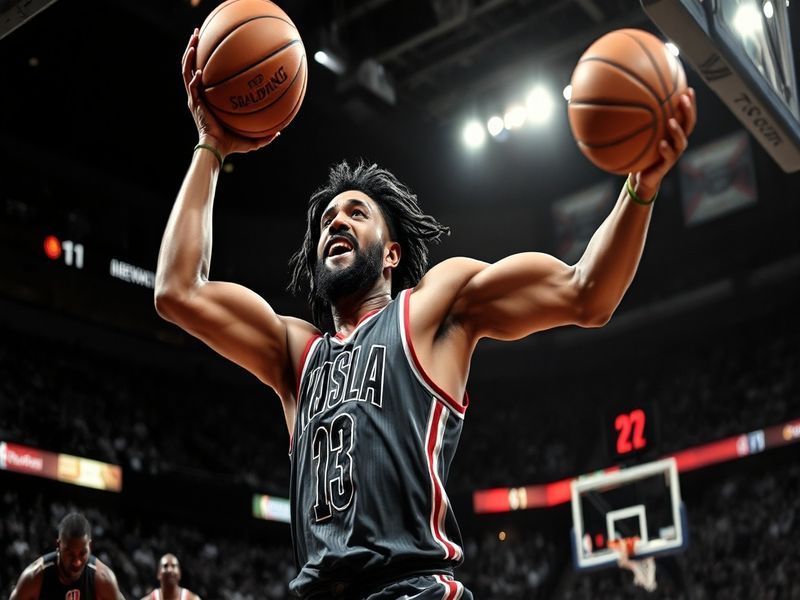
Joakim Noah’s career in basketball has been defined by resilience, cultural influence, and an unmistakable presence both on and off the court. Born in New York City in 1985 to parents Yom Yom, a French singer of Cameroonian descent, and Yannick Noah, a legendary French tennis champion, Noah inherited a legacy of athletic excellence and artistic flair. His upbringing between France and the United States shaped a perspective that transcended borders, making him a unique figure in global sports.
Noah’s basketball journey began at the University of Florida, where he became a cornerstone of the Gators’ back-to-back NCAA championship teams in 2006 and 2007. His tenacious rebounding and emotional leadership earned him national recognition, including the Naismith Defensive Player of the Year award in 2008. Drafted ninth overall by the Chicago Bulls, Noah quickly became a fan favorite for his relentless energy and unfiltered personality.
The Cultural Impact of Joakim Noah
Beyond statistics and accolades, Joakim Noah has carved out a space in popular culture that few athletes achieve. His fashion choices—often blending streetwear with high-end brands—have made him a trendsetter, particularly in the sneaker and urban fashion scenes. Collaborations with companies like Nike and his own clothing line, Yellow Style, reflect a fusion of his European roots and American influences.
Noah’s outspokenness on social and political issues has also amplified his influence. He has been vocal about racial justice, mental health awareness, and athlete activism, aligning himself with movements that resonate globally. In 2020, he participated in the NBA’s social justice initiatives, using his platform to advocate for systemic change. His willingness to speak openly about his own struggles, including battles with anxiety and depression, has made him an advocate for mental wellness in sports.
A Global Perspective on Noah’s Career
Joakim Noah’s career spanned 13 seasons in the NBA, playing for the Chicago Bulls, New York Knicks, Memphis Grizzlies, and Los Angeles Clippers. While injuries cut his prime years short, his impact on the game remains undeniable. Internationally, he represented France in multiple FIBA tournaments, including the 2011 EuroBasket, where he helped secure a silver medal. His ability to connect with fans worldwide stemmed from his authenticity—whether trash-talking in French, wearing bold accessories, or embracing his role as a mentor to younger players.
One of Noah’s most memorable moments came during the 2014 FIBA World Cup, where he led France to a historic fourth-place finish. His performance against powerhouse teams like Spain and Serbia showcased his defensive prowess and leadership. Abroad, he became a symbol of French basketball’s rising prominence, bridging the gap between European and American styles of play.
The Noah Effect: Legacy and Beyond
Joakim Noah’s post-playing career has mirrored his dynamic personality. He has ventured into broadcasting, appearing as an analyst for networks like TNT, where his candid commentary and deep knowledge of the game have resonated with viewers. Additionally, his involvement in charitable work—particularly through the Noah’s Arc Foundation, which supports underprivileged youth—highlights his commitment to giving back.
In 2023, Noah released a memoir, New York Days, offering an unfiltered look at his life, career, and personal growth. The book was praised for its raw honesty, particularly regarding his struggles with fame, mental health, and the pressures of professional sports. It cemented his reputation not just as a basketball player, but as a storyteller who challenges conventional narratives around athletes.
Why Joakim Noah Matters Today
In an era where athletes are increasingly expected to use their platforms for social good, Joakim Noah stands out as a figure who has consistently prioritized authenticity over performance metrics alone. His journey reflects broader trends in global sports, where cultural identity, activism, and personal branding are as important as athletic achievements.
For young athletes, Noah’s career serves as a reminder that success is not solely measured in championships or statistics. His ability to navigate cultural duality—between France and the U.S., between sports and art, between competition and compassion—offers a blueprint for the modern athlete. As basketball continues to expand its global footprint, figures like Noah help shape its future, blending athleticism with meaningful societal contributions.
Whether through his on-court battles, his fashion-forward choices, or his advocacy work, Joakim Noah has left an indelible mark on the sport and beyond. His legacy is a testament to the power of individuality in a world that often demands conformity.