london marathon 2026
The London Marathon Returns in 2026: A Look Ahead
The London Marathon has long stood as one of the most prestigious and widely watched events in the global athletics calendar. Since its inception in 1981, the race has grown from a grassroots initiative into a global spectacle that draws over 40,000 runners and millions of spectators each year. As the world begins to anticipate the 2026 edition, several key factors are shaping expectations for what promises to be another unforgettable edition.
The event is not just a sporting occasion—it’s a cultural and charitable phenomenon. Last year’s marathon raised over £66 million for charitable causes, continuing a tradition that has seen the event contribute over £1 billion to good causes since its launch. With 2026 on the horizon, the event’s organizers, Virgin Money London Marathon, are expected to build on this legacy while introducing innovations that reflect the changing landscape of long-distance running and mass participation events.
Why the 2026 London Marathon Matters Beyond the Race
The significance of the London Marathon extends far beyond the starting line in Greenwich Park and the finish on The Mall. It serves as a barometer for the health of the sport, a platform for social change, and a global stage for technological and environmental initiatives. As sustainability becomes a priority across major events, the 2026 marathon is expected to further reduce its carbon footprint—following in the footsteps of recent editions that introduced plant-based catering, reusable water bottles, and digital-only race packs.
Moreover, the event has increasingly become a showcase for elite performance. With world records in both the men’s and women’s categories still within reach on the flat, fast London course, the 2026 edition could witness history being made. The participation of elite athletes not only elevates the competition but also inspires amateur runners worldwide, reinforcing the marathon’s role as a bridge between professional sport and everyday fitness culture.
Key Changes and Innovations Expected for 2026
The organizers have a history of introducing thoughtful innovations, and 2026 is no exception. While official details are still under wraps, several trends and potential changes have been widely discussed in the running community:
- Enhanced Digital Integration: The use of wearable technology and real-time race tracking is expected to become even more sophisticated, allowing spectators to follow runners with greater precision and enabling athletes to monitor performance metrics mid-race.
- Sustainability Initiatives: Expect stricter waste reduction measures, including compostable packaging and expanded use of electric vehicles for event logistics. Some experts predict the 2026 marathon could be the first major city marathon to achieve net-zero carbon status.
- Accessibility Improvements: Efforts to make the event more inclusive are likely to continue, with enhanced facilities for runners with disabilities and expanded virtual participation options for those unable to attend in person.
- Global Expansion: The London Marathon’s virtual race series, which saw participation from over 120 countries in 2024, may evolve into a more structured global circuit, potentially offering elite qualification opportunities outside traditional marathon seasons.
These developments reflect a broader shift in how major sporting events are conceived—not just as competitions, but as platforms for innovation, inclusion, and environmental responsibility.
The Broader Impact on London and the Running Community
The economic impact of the London Marathon on the city is substantial. Studies estimate that the event generates over £100 million annually for London’s economy, supporting local businesses, hotels, and tourism. The 2026 edition is expected to further boost this figure, particularly as international travel continues to rebound post-pandemic. The marathon also plays a crucial role in promoting active lifestyles across the UK, with grassroots running initiatives often cited as beneficiaries of the event’s visibility and fundraising power.
Beyond economics, the marathon fosters community engagement. Local charities, schools, and volunteer groups are deeply involved in the event, creating a sense of ownership and pride among Londoners. The 2026 race is likely to strengthen these ties, especially as organizers look to increase local participation in both the elite and mass fields.
For amateur runners, qualifying for the London Marathon is a lifelong goal. With a ballot system that receives over 500,000 applications annually, the race remains highly competitive. The 2026 edition may introduce new qualifying standards or charitable entry options to manage demand while maintaining the event’s prestige.
What Runners and Spectators Can Prepare For
For those planning to participate or attend in 2026, early preparation will be essential. Entry opens typically 18 months in advance, with the ballot closing in April 2025. Charity places, which guarantee entry in exchange for fundraising commitments, often fill up quickly and may offer the most reliable path to participation.
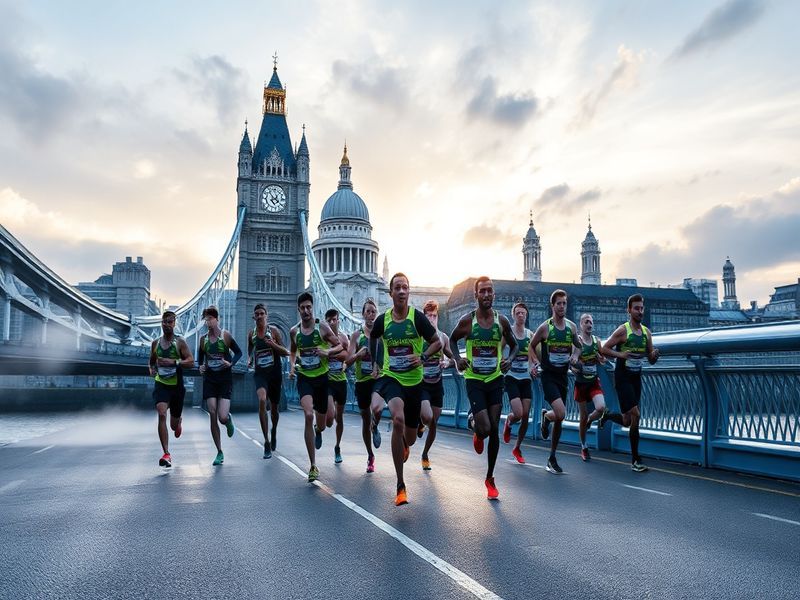
Spectators, meanwhile, should plan ahead for one of the best viewing spots in the world. The course winds through iconic landmarks including Canary Wharf, the Tower of London, and St. James’s Park, offering unparalleled photo opportunities. Organizers are likely to enhance crowd management strategies to improve safety and experience, especially in light of lessons learned from recent major events.
The Virgin Money London Marathon Expo, traditionally held at ExCeL London, is also set to return. It’s a must-visit for runners seeking gear, nutrition advice, and motivational talks—often featuring appearances from elite athletes. The 2026 expo may introduce virtual reality experiences, allowing visitors to “run” a segment of the course from the comfort of the exhibition hall.
Looking Beyond 2026: The Future of the London Marathon
The London Marathon has consistently adapted to meet the demands of a changing world. As urban marathons face new challenges—from climate concerns to rising costs—the 2026 edition will be a test case for how tradition and innovation can coexist. The event’s organizers have already signaled a commitment to long-term sustainability, with goals to halve emissions by 2030 and achieve full circularity by 2040.
For the running community, the marathon remains a powerful symbol of perseverance and community. Whether it’s the elite athletes chasing records, the charity runners overcoming personal challenges, or the millions watching from around the world, the London Marathon is more than a race—it’s a celebration of what’s possible when people come together.
As 2026 approaches, anticipation will only grow. The event is not just a moment in time; it’s a movement—one that continues to redefine what a marathon can be.
For more on running events and fitness culture, visit Sports and Health on Dave’s Locker.
Note: Details about the 2026 London Marathon are based on trends, historical patterns, and public statements from organizers. Official announcements regarding dates, routes, and entry processes will be made in due course.