Madrid vs Barcelona: The Global Rivalry That Defines Football
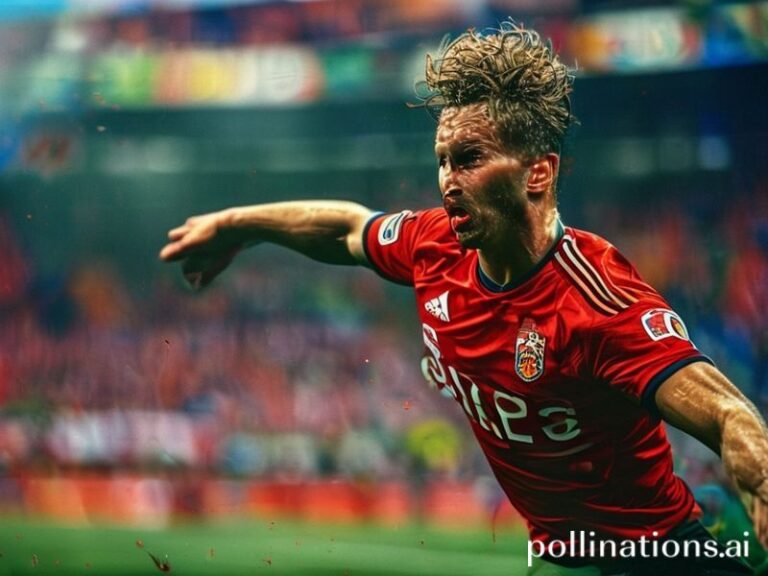
Few rivalries in modern sports command the attention that Madrid vs Barcelona does. The fixture transcends football, embedding itself in political, cultural, and even historical narratives that stretch far beyond the pitch. This is not merely a contest between two clubs but a clash of identities that has captivated audiences worldwide for over a century.
The rivalry began in 1902, when Barcelona hosted Madrid FC in a friendly match. What started as a sporting encounter soon evolved into something far more complex. Over the decades, the fixture became a symbol of regional pride, ideological division, and national identity. Today, it remains one of the most-watched sporting events on the planet, drawing millions of viewers across continents.
The Historical Roots of the Rivalry
To understand Madrid vs Barcelona, one must begin with geography and politics. Barcelona, the capital of Catalonia, has long been a cultural and economic hub with a distinct identity. Madrid, as the national capital, represents the centralized power of Spain. These opposing roles naturally bred friction.
During the Franco dictatorship (1939–1975), Catalan identity was suppressed. Football became one of the few arenas where Catalans could assert their pride. FC Barcelona, often seen as “more than a club,” embodied this resistance. Meanwhile, Real Madrid was associated with the regime, particularly after its president Santiago Bernabéu aligned the club with Franco’s vision of a unified Spain.
The rivalry was further fueled by on-field dominance. Real Madrid dominated European football in the 1950s and 1960s, while Barcelona struggled under domestic and international constraints. This imbalance added emotional weight to every match, turning defeats into symbolic victories for Catalan supporters.
Key Moments in Rivalry History
- 1943 Copa del Rey: Real Madrid won 11–1 in a second-leg rematch after Barcelona won the first leg 3–0. The one-sided result fueled accusations of political interference.
- 1974: Johan Cruyff joined Barcelona, becoming a symbol of Catalan pride. His arrival coincided with a period of cultural renaissance in Catalonia.
- 1992: Barcelona’s Dream Team won their first European Cup under Johan Cruyff, symbolizing footballing liberation from Madrid’s shadow.
- 2009–2011: Pep Guardiola’s Barcelona, featuring Messi, Xavi, and Iniesta, defeated Real Madrid five times in a row, redefining modern football.
- 2018: Controversial refereeing decisions in a 5–0 Barcelona win reignited debates about bias in La Liga.
The Global Stage: How the World Views Madrid vs Barcelona
The rivalry’s appeal is not confined to Spain. It has become a global spectacle, broadcast in over 200 countries. The 2010 FIFA World Cup final, where Spain won its first-ever title with players from both clubs, showcased the rivalry’s influence on international football.
In the United States, the match is often one of the most-watched soccer games of the year. In Asia, fans tune in at dawn to catch the action. Even in markets where football is not the dominant sport, the fixture draws curiosity—partly due to the star power of players like Cristiano Ronaldo, Lionel Messi, Karim Benzema, and Gerard Piqué.
Social media amplifies the drama. Moments such as Messi’s last-minute winner in 2017 or Sergio Ramos’s red card in 2018 become trending topics worldwide. The rivalry has evolved into a cultural export, shaping perceptions of Spanish football on the global stage.
The Business and Branding Behind the Rivalry
Beyond the sport, Madrid vs Barcelona is a multi-billion-dollar enterprise. Sponsorships, merchandise, and broadcasting rights generate hundreds of millions annually. Real Madrid, often ranked as the world’s most valuable football club, and Barcelona, with its global fanbase, leverage the rivalry to boost commercial appeal.
La Liga itself profits from the fixture. The league’s financial model depends heavily on revenue from El Clásico. Broadcasters pay premium rates for the rights, knowing the match guarantees high viewership and advertising revenue.
Yet, the rivalry also presents challenges. Financial disparities between the clubs have widened in recent years, with Barcelona struggling under debt while Real Madrid continues to invest heavily. This imbalance has led to debates about competitive fairness and the sustainability of the rivalry.
The Cultural and Political Dimensions
The match is more than a sporting event—it is a cultural referendum. When Barcelona plays, Catalan flags fly in the stands. When Real Madrid plays, the Spanish anthem is sung with pride. These symbols are not incidental; they are intentional.
In 2017, during the Catalan independence referendum, the match took on even greater significance. Barcelona’s decision to request the match be postponed due to political unrest was denied by La Liga, sparking protests. The game proceeded, but the tension was palpable.
Art and literature have also reflected the rivalry. Books like “Furia” by Enrique Ballester and films such as “El Clásico” explore the emotional and political layers of the fixture. The rivalry has inspired music, art, and even academic research on identity and nationalism in sport.
Why This Rivalry Matters Beyond Football
The Madrid vs Barcelona rivalry offers insight into how sport can reflect broader societal tensions. It demonstrates how football clubs can become symbols of resistance, tradition, or modernity. It shows how regional identities can be preserved—or challenged—through collective action.
In an era of globalization, where many leagues are becoming more homogenous, the intensity of El Clásico stands out. It reminds us that football is not just about points and trophies—it is about who we are, where we come from, and what we believe in.
This is why, even after 120 years, the rivalry continues to matter. It is not just about Madrid vs Barcelona. It is about Catalonia vs Spain, tradition vs progress, and the enduring power of identity in a globalized world.
Conclusion: A Rivalry That Defines an Era
Madrid vs Barcelona is far more than a football match. It is a cultural institution, a historical narrative, and a global phenomenon. Its legacy stretches beyond trophies and records, embedding itself in the hearts of millions.
As football evolves, so too will the rivalry. New stars will rise, old grudges will persist, and the world will keep watching. Because in the end, this is not just about who wins. It is about what the match represents—and why it still matters.
For fans around the world, Madrid vs Barcelona remains one of the few sporting events that transcends the game itself. It is a story of pride, power, and passion—one that continues to be written with every match.