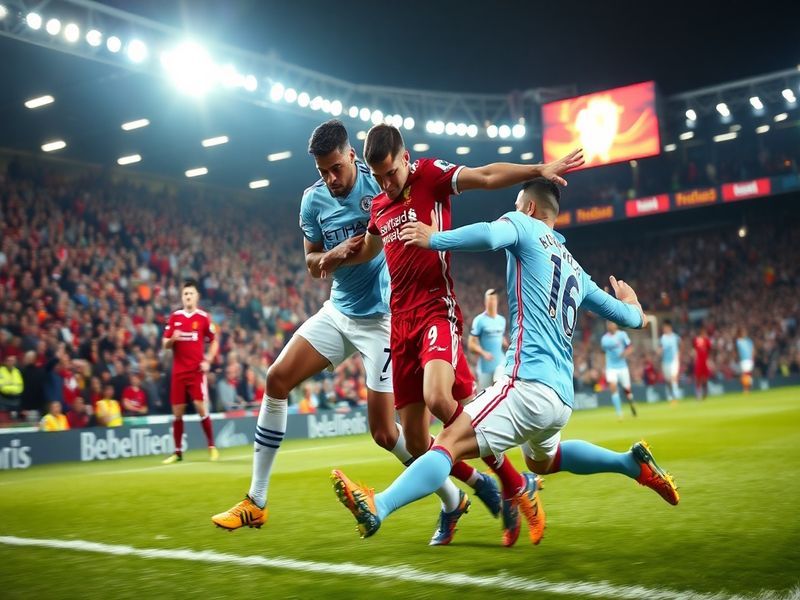
Football rivalries often transcend the boundaries of the pitch, embedding themselves into the cultural and social fabric of cities and nations. Few matchups embody this phenomenon as vividly as Manchester City versus Liverpool. While their battles in the Premier League and domestic cups draw millions of viewers worldwide, the rivalry itself has evolved into a global spectacle that reflects broader themes of ambition, identity, and regional pride.
The roots of this rivalry stretch back decades. Manchester City, historically the smaller club from a working-class city, has transformed under modern ownership into a footballing powerhouse. Liverpool, on the other hand, carries the legacy of a club synonymous with European success and a deeply rooted identity tied to its port city heritage. The contrast between the two—Manchester’s reinvention and Liverpool’s enduring traditions—creates a compelling narrative that captivates fans far beyond the North West of England.
The Evolution of a Modern Classic
The rivalry between Manchester City and Liverpool has intensified dramatically in the past decade. This surge in competition coincides with City’s rise under the ownership of the City Football Group and the financial backing that transformed them into title contenders. Liverpool, meanwhile, has maintained their status as one of England’s most successful clubs, with a global fanbase and a tradition of European dominance.
Matches between the two clubs are now routinely broadcast to over 200 territories, reaching audiences from Tokyo to Buenos Aires. The Premier League’s global appeal has turned these fixtures into prime-time events, often drawing larger television audiences than Champions League games involving other British teams. This international exposure has elevated the rivalry beyond sport, making it a cultural export of English football.
What makes this rivalry particularly fascinating is the contrast in styles and narratives. Liverpool’s high-intensity, pressing football under Jürgen Klopp became a model for modern attacking play. City, under Pep Guardiola, perfected a possession-based system that prioritizes technical precision and tactical discipline. When these philosophies clash, the result is often a tactical masterclass that appeals to football purists and casual fans alike.
More Than Just Football: Identity and Pride
The rivalry’s intensity is fueled by more than just sporting competition. It reflects deeper regional and cultural identities. Manchester and Liverpool are cities with distinct personalities: Manchester, a hub of innovation and reinvention, versus Liverpool, a city with a rich maritime history and resilient working-class spirit. These identities are often played out on the pitch, where each club’s style of play becomes a point of pride for their supporters.
For Manchester City fans, the club’s recent dominance represents the city’s economic and cultural resurgence. The Etihad Stadium, once a symbol of modest ambition, now stands as a monument to modern footballing excellence. Liverpool’s supporters, meanwhile, wear their history with pride, celebrating the club’s European triumphs and the emotional connection forged through decades of triumph and adversity.
This cultural dimension has made the rivalry a topic of discussion in broader contexts. In cities around the world where diaspora communities exist, debates about which club is “better” often become proxies for discussions about regional identity. In places like New York, Dubai, or Sydney, Manchester City and Liverpool matches are not just sporting events; they are cultural gatherings that reinforce community bonds and shared heritage.
A Global Audience and Commercial Powerhouse
The commercial appeal of this rivalry is immense. Sponsorship deals, merchandise sales, and broadcast rights for Manchester City vs Liverpool matches consistently rank among the highest in world football. The clubs’ global fanbases—City boasts over 60 million social media followers, while Liverpool has one of the largest global supporter networks—ensure that this rivalry remains a marketing goldmine.
Brands recognize the value of associating with these clubs, particularly during high-profile fixtures. Sponsors leverage the rivalry to create campaigns that tap into the emotional connections fans have with their teams. For example, during the 2021-22 Premier League season, a commercial featuring Kevin De Bruyne and Mohamed Salah highlighted the rivalry’s global appeal while subtly promoting the technical prowess of both players.
The rivalry has also influenced the way football is consumed globally. Streaming platforms like DAZN and Amazon Prime have prioritized these matches in their schedules, knowing that they attract subscribers across multiple markets. This commercialization has further embedded the rivalry into the global football ecosystem, ensuring its longevity and relevance.
The Future of the Rivalry
As both clubs continue to evolve, so too will their rivalry. Manchester City’s recent Champions League triumph in 2023 marked a new chapter in their quest for global dominance. Liverpool, despite changes in management, remains a formidable force with a young squad capable of challenging for domestic and European honors.
Looking ahead, the rivalry’s future will likely be shaped by several key factors:
- Tactical Innovation: As football tactics evolve, the battles between managers like Guardiola and Klopp’s successors will continue to captivate fans. The tactical chess match between two elite coaches ensures that every encounter is a spectacle of intelligence and preparation.
- Youth Development: Both clubs have invested heavily in their academies. The emergence of young talents like Erling Haaland for City and Harvey Elliott for Liverpool adds a new dimension to the rivalry, ensuring that future generations of fans will have their own heroes to champion.
- Global Expansion: The Premier League’s push into new markets, particularly in the United States and Asia, will further elevate the rivalry’s profile. Pre-season tours and marketing campaigns in these regions will introduce the clash to new audiences, ensuring its global relevance.
- Financial Dynamics: The financial gap between the Premier League’s top clubs and the rest of Europe continues to widen. This disparity could influence the rivalry’s trajectory, particularly if one club achieves sustained dominance in Europe while the other focuses on domestic success.
The Manchester City vs Liverpool rivalry is more than a footballing contest. It is a cultural phenomenon that reflects the global appeal of the sport, the power of identity, and the commercial forces shaping modern football. As long as both clubs continue to compete at the highest level, their rivalry will remain a defining feature of the footballing landscape, captivating fans and influencing the broader narrative of the game.
A Rivalry That Transcends Sport
For fans, the rivalry is a source of passion, debate, and pride. Whether it’s the tactical brilliance on display, the emotional connection to their city, or simply the joy of watching two elite teams compete, the Manchester City vs Liverpool matchup offers something for everyone. As football continues to evolve, this rivalry will undoubtedly adapt, but its core essence—competition, identity, and global appeal—will remain unchanged.
In a world where football is increasingly dominated by financial power and global markets, the Manchester City vs Liverpool rivalry stands out as a reminder of what makes the sport truly special: the passion of the fans, the drama of the competition, and the cultural significance that transcends the pitch.