How March Madness Became a Cultural Touchstone
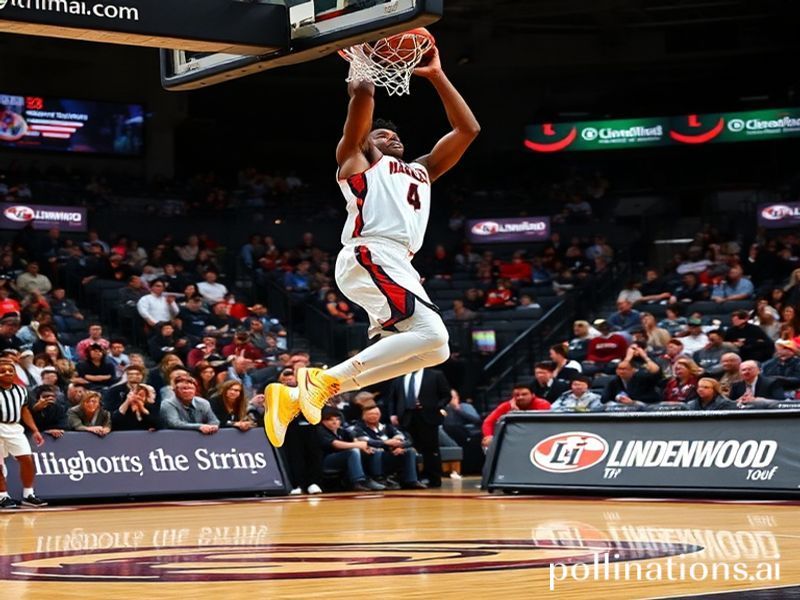
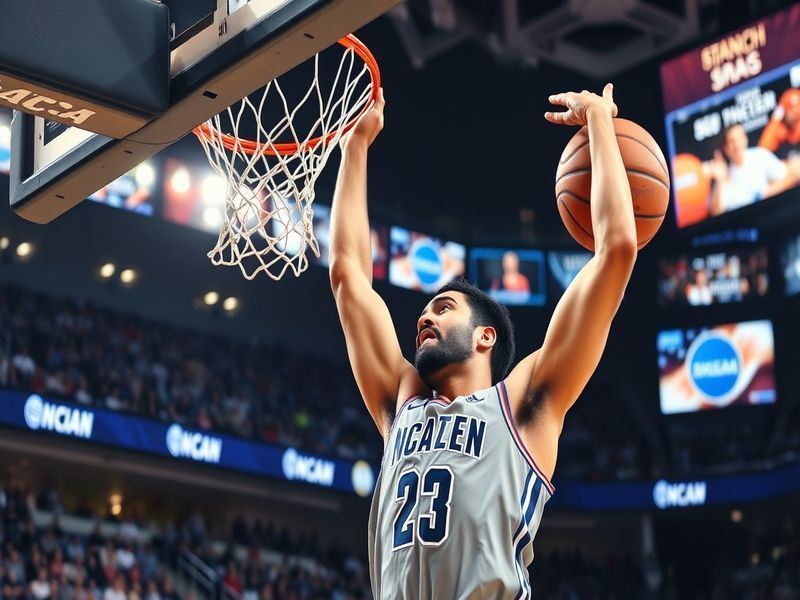
Every March, a phenomenon sweeps across the United States and beyond, uniting millions in a shared celebration of basketball. March Madness, the NCAA Division I Men’s Basketball Tournament, has grown from a regional sporting event into a global spectacle. Its blend of underdog stories, buzzer-beaters, and bracketology has transcended sports, embedding itself in popular culture.
The tournament’s appeal lies in its unpredictability. Unlike professional leagues with established hierarchies, March Madness thrives on chaos. A mid-major school like Saint Peter’s or Oral Roberts can topple a powerhouse like Kansas or Kentucky, creating moments that linger in the collective memory. This David vs. Goliath narrative resonates far beyond the court, making the tournament a canvas for storytelling.
The Globalization of American Basketball
While March Madness is rooted in American college sports, its influence has spread worldwide. The NBA’s international reach has fueled this expansion, with players from Europe, Africa, and Asia bringing their own basketball traditions to the college game. Programs like the University of Memphis under Penny Hardaway or Gonzaga’s consistent dominance have become global brands, drawing international recruits and fans.
In countries like Canada, Australia, and Germany, March Madness has become a cultural event. Bars and sports venues host watch parties, while streaming services broadcast games to audiences from Tokyo to Toronto. The tournament’s accessibility—via apps like NCAA March Madness Live—has further democratized its reach, allowing fans to follow every game, no matter their location.
Basketball’s growth in Europe has also shaped the tournament’s dynamics. European players, known for their fundamentals and shooting prowess, have become prized recruits. Luka Dončić, though drafted straight out of Europe, honed his skills watching March Madness. Today, teams like Duke and Kentucky actively scout international prospects, blending diverse playing styles into the American game.
The Economic Engine of March Madness
The financial impact of March Madness is staggering. In 2023, the NCAA reported over $1.1 billion in revenue from the tournament, with the majority coming from television rights and sponsorships. CBS and Turner Sports pay billions to broadcast the games, while corporate sponsors like AT&T, Coca-Cola, and Buick invest heavily in advertising campaigns tied to the tournament.
Betting has also become a major industry around March Madness. According to the American Gaming Association, over $15 billion was wagered on the 2023 tournament. Sportsbooks offer prop bets on everything from the color of the winning team’s jerseys to the total number of dunks in a game. This surge in betting has led to debates about regulation and responsible gaming, but it also underscores the tournament’s cultural penetration.
For universities, the financial benefits extend beyond TV revenue. Schools earn millions from ticket sales, merchandise, and alumni donations tied to tournament runs. Programs like Villanova and UConn have leveraged their success into sustained funding for athletic departments, proving that March Madness is as much about economics as it is about sports.
The Role of Social Media in March Madness
Social media has transformed how fans engage with March Madness. Platforms like Twitter, Instagram, and TikTok amplify the tournament’s most viral moments. A buzzer-beating three-pointer or a coach’s fiery press conference can become a trending topic within minutes. The NCAA’s official social media accounts leverage highlights and behind-the-scenes content to keep fans engaged across multiple platforms.
Players and coaches have also embraced social media. Stars like Zion Williamson and Caitlin Clark built their brands during March Madness, using platforms like Instagram and YouTube to connect with fans. Their posts—whether showcasing pre-game rituals or sharing post-game reactions—add a human element to the tournament, making it more relatable.
The rise of bracket challenges on platforms like ESPN and Yahoo has further integrated March Madness into social media culture. Friends compete in public leaderboards, sparking friendly trash talk and debates. Memes and viral challenges, such as the “Cinderella Story” hashtag, dominate timelines during the tournament’s first weekend, ensuring that even casual fans stay plugged in.
Cultural Impact Beyond the Court
March Madness has seeped into music, fashion, and even politics. Rap artists like Drake and Kendrick Lamar have name-dropped the tournament in their lyrics, while sneaker brands like Nike and Jordan release limited-edition March Madness collections. The tournament’s aesthetic—think neon brackets and retro jerseys—has influenced streetwear trends, with fans incorporating basketball culture into everyday fashion.
Politicians have also tapped into the tournament’s popularity. Presidents and lawmakers have been known to fill out brackets, using the ritual to connect with voters. In 2020, then-candidate Joe Biden shared his bracket on social media, framing it as a way to unite the country. Meanwhile, March Madness has been used as a platform for social issues, with players and coaches speaking out on topics like racial justice and mental health.
The tournament’s influence extends to education as well. Schools use March Madness to promote STEM programs, hosting events that blend basketball with science, technology, engineering, and math. Programs like the NCAA’s “STEM Scholar” initiative encourage students to explore careers in fields beyond sports, highlighting the tournament’s role as an educational tool.
What’s Next for March Madness?
The future of March Madness is as dynamic as the tournament itself. Expansion is on the horizon, with discussions about adding more teams to the field. The NCAA has also explored international games, with proposals to host matchups in Europe or Asia. These moves could further globalize the tournament, bringing basketball’s biggest spectacle to new audiences.
Technological advancements will also shape the tournament’s evolution. Virtual reality broadcasts, AI-driven analytics, and interactive apps are poised to enhance the fan experience. Imagine watching a game in VR while accessing real-time stats and player insights. The NCAA is already experimenting with these tools, ensuring that March Madness remains at the forefront of sports innovation.
Yet, challenges remain. The debate over amateurism in college sports continues to simmer, with athletes pushing for greater compensation. The NCAA’s recent policy changes, allowing players to profit from their name, image, and likeness, have added a new layer of complexity to March Madness. How the organization balances tradition with modernity will define the tournament’s next chapter.
For now, March Madness remains a celebration of basketball’s raw, unscripted magic. From the Cinderella stories to the heart-stopping finishes, the tournament captures the essence of sport: hope, perseverance, and the thrill of the unknown. As it continues to evolve, one thing is certain—March Madness will always be more than just a competition. It’s a cultural institution.
For more on the intersection of sports and culture, explore our Sports and Culture sections. And don’t miss our analysis of how college sports are changing the game.