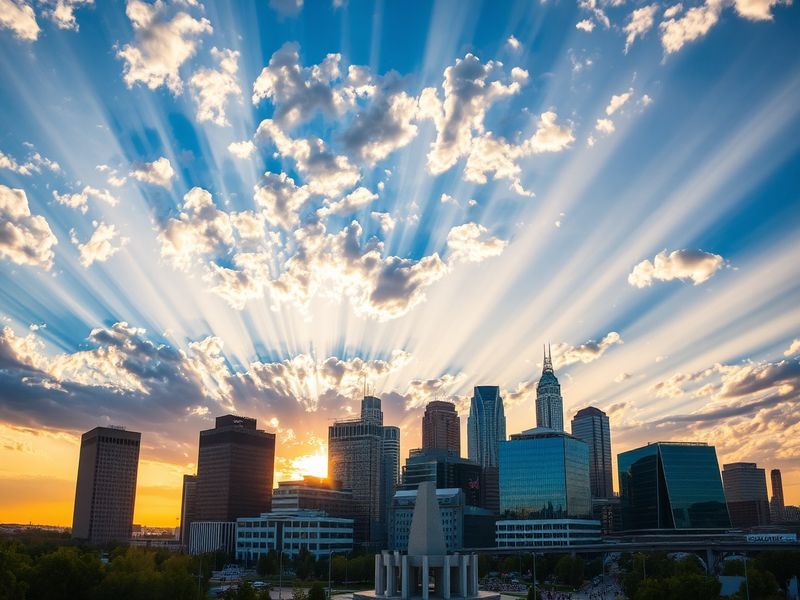
Oklahoma City sits at the crossroads of weather extremes. Its location in the southern Great Plains exposes it to blistering heat, violent thunderstorms, and the occasional ice storm. For residents, weather isn’t just small talk—it’s a way of life. The city’s climate shapes everything from architecture to outdoor events, and understanding it requires more than just checking a forecast. It demands a look at history, geography, and how communities adapt.
The Sooner State’s reputation for unpredictable weather isn’t unfounded. Oklahoma City averages around 28 tornadoes per year, with peak activity in May and June. The city’s position in Tornado Alley means residents stay vigilant during storm season. Yet, this isn’t just a local concern. Similar weather patterns appear in other parts of the world, from India’s monsoon belt to Australia’s cyclone-prone coastlines. The city’s experiences offer lessons in resilience that resonate globally.
How Oklahoma City’s Weather Shapes Daily Life
Oklahoma City’s weather dictates daily routines in subtle and overt ways. In summer, temperatures often exceed 95°F (35°C), driving residents indoors during peak afternoon hours. Air conditioning isn’t optional—it’s essential. Public spaces like malls, libraries, and even some restaurants become refuges from the heat. This reliance on climate control reflects broader trends seen in desert cities like Phoenix or Middle Eastern metropolises like Dubai.
Winter brings a different set of challenges. Ice storms can paralyze the city for days, as seen in the devastating 2020 storm that left thousands without power. Such events highlight the vulnerabilities of infrastructure designed for mild winters. Comparable disruptions occur in cities like Atlanta or Memphis, where rare snowfall can bring entire regions to a standstill. Oklahoma City’s infrastructure must balance efficiency with preparedness, a challenge shared by many mid-latitude urban centers.
The city’s relationship with weather extends to culture. Local festivals like the Red Earth Festival and the Oklahoma City Pride Parade often adjust schedules based on forecasts. Even high school sports, particularly football, revolve around weather conditions. The famous Oklahoma Sooners’ home games at Gaylord Family-Oklahoma Memorial Stadium are notorious for sweltering heat or sudden downpours. Weather becomes part of the narrative, shaping traditions and memories.
The Science Behind Oklahoma City’s Extreme Weather
Oklahoma City’s weather is a product of its geography. The city sits at the convergence of warm, moist air from the Gulf of Mexico and cold, dry air from Canada. This clash fuels severe thunderstorms, particularly in spring and early summer. The National Weather Service’s Storm Prediction Center in Norman, just south of Oklahoma City, monitors these conditions daily. Their work is critical not just for Oklahoma but for the entire U.S. heartland.
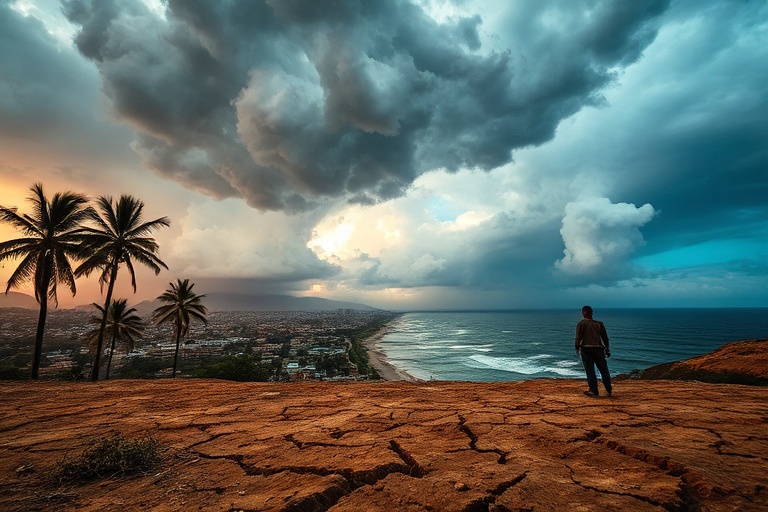
Climate change is altering these patterns. Studies show that severe thunderstorms and tornadoes are becoming more frequent in parts of the Great Plains. Warmer temperatures increase atmospheric instability, creating more energy for storms to form. While the link between individual weather events and climate change is complex, the trend is undeniable. Oklahoma City’s experiences mirror global shifts, from increased rainfall in Europe to stronger cyclones in Southeast Asia.
To better understand these changes, researchers use advanced tools like Doppler radar and weather satellites. Oklahoma City’s proximity to the University of Oklahoma’s meteorology program and the National Severe Storms Laboratory makes it a hub for innovation. These institutions attract scientists from around the world, fostering collaboration on global weather challenges. Their work underscores how local weather phenomena contribute to broader scientific understanding.
Key Weather Phenomena in Oklahoma City
- Supercell Thunderstorms: These rotating storms are responsible for the most violent tornadoes. Oklahoma City lies in the heart of Tornado Alley, where conditions are ideal for their formation.
- Flash Flooding: Intense rainfall, often from training thunderstorms, can overwhelm drainage systems. The 2013 floods in Oklahoma City demonstrated the devastating impact of such events.
- Heat Waves: Prolonged periods of extreme heat, exacerbated by urban heat islands, pose health risks. The city’s aging population is particularly vulnerable.
- Ice Storms: While less frequent, ice storms can cripple the city. The 2020 event caused hundreds of accidents and left thousands without power for days.
Cultural and Economic Impact of Oklahoma City’s Weather
Weather shapes Oklahoma City’s economy in ways that aren’t always obvious. Agriculture, a cornerstone of the state’s economy, relies heavily on predictable rainfall and mild winters. Droughts and floods can devastate crops, impacting everything from local farmers to global food prices. The city’s energy sector, particularly oil and natural gas, also feels the effects of extreme weather. Hurricanes and severe storms can disrupt supply chains, driving up costs.
Tourism is another sector influenced by weather. While Oklahoma City isn’t a traditional tourist destination, events like the Oklahoma City Memorial Marathon and the annual Festival of the Arts attract visitors year-round. Weather plays a role in attendance and safety. For example, the 2021 marathon was canceled due to freezing temperatures, costing organizers thousands in refunds and lost revenue. Such incidents highlight the fragility of event-based economies.
Culturally, weather fosters a sense of community. Neighbors check on each other during storms. Schools and businesses collaborate to ensure safety. Even local media outlets, like News stations, become central figures in weather preparedness. The shared experience of Oklahoma City’s weather creates bonds that transcend socioeconomic divides. It’s a reminder that, despite differences, everyone is subject to the whims of the atmosphere.
Preparing for Oklahoma City’s Unpredictable Weather
Resilience is key to surviving Oklahoma City’s weather extremes. The city has invested in early warning systems, public education campaigns, and infrastructure upgrades. Tornado sirens, once the primary alert system, are now supplemented by smartphone apps and emergency broadcasts. Schools conduct regular tornado drills, and businesses have emergency plans in place. These measures reflect a broader trend in disaster preparedness seen in cities like Tokyo and Istanbul.
Individuals can take steps to protect themselves and their property. Installing storm shelters, reinforcing roofs, and keeping emergency kits are common practices. Insurance policies often include specific coverage for wind and hail damage, reflecting the city’s unique risks. Community organizations, like the Oklahoma City American Red Cross, play a vital role in distributing resources and providing support after disasters.
Looking ahead, climate adaptation will be crucial. Urban planning must account for increased rainfall and heat. Green spaces, permeable pavements, and energy-efficient buildings can mitigate some effects. The city’s Climate Action Plan, launched in 2020, outlines strategies for reducing emissions and preparing for future challenges. These efforts align with global initiatives, from the European Union’s Green Deal to Singapore’s sustainable city planning.
Resources for Oklahoma City Residents
For those looking to stay informed, several resources are available:
- National Weather Service – Norman: Provides real-time updates and severe weather alerts.
- Oklahoma City Emergency Management: Offers safety tips and emergency preparedness guides.
- American Red Cross – Oklahoma City: Supports disaster response and recovery efforts.
- Oklahoma City Parks & Recreation: Shares updates on park closures and outdoor event safety.
Weather in Oklahoma City is more than a backdrop—it’s an active participant in the city’s story. From the adrenaline of storm chasing to the quiet resilience of its people, the weather defines life here. It’s a reminder that nature, in all its unpredictability, is both a force to be respected and an opportunity to innovate. For residents and visitors alike, understanding this dynamic is the first step toward thriving in the Sooner State.