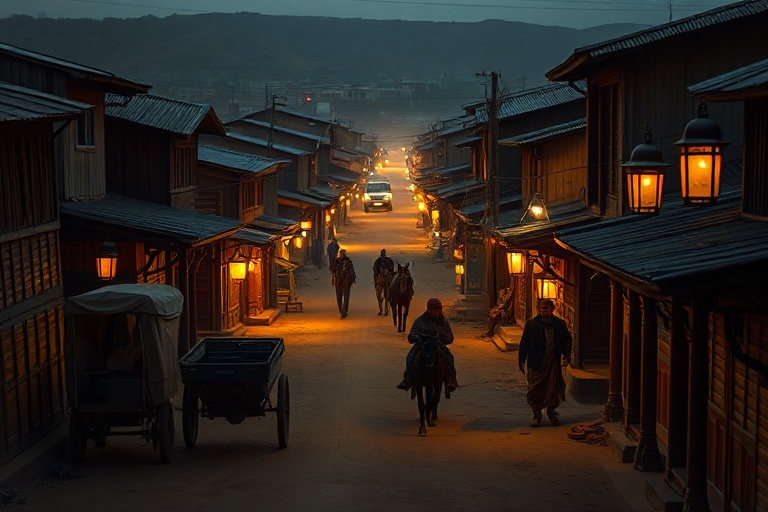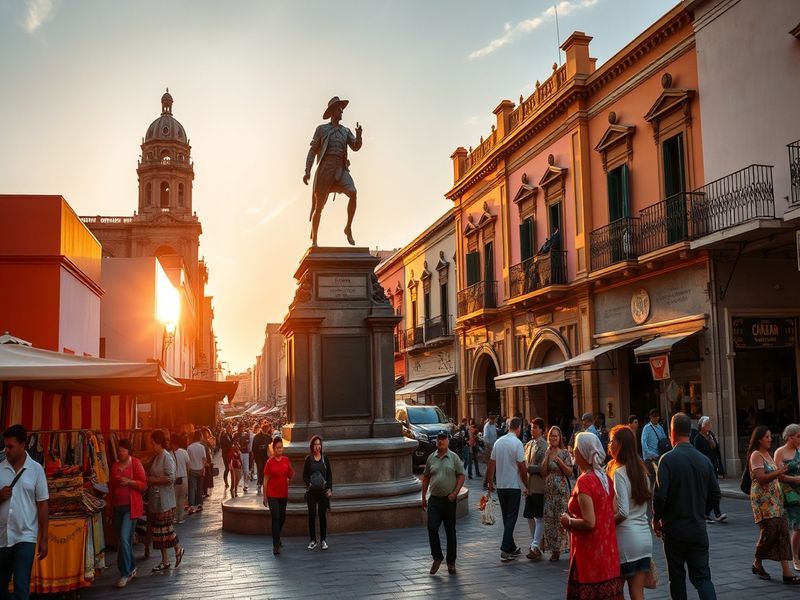
Mexico’s urban landscape presents a striking contrast between tradition and modernity, nowhere more evident than in the juxtaposition of Puebla and Juárez. These two cities, separated by geography and history, reflect distinct cultural, economic, and social trajectories. While Puebla thrives as a colonial jewel with deep indigenous roots, Juárez operates as a dynamic border metropolis shaped by migration and commerce. Understanding their differences offers more than just a study in contrasts—it reveals how Mexico’s urban fabric is woven from threads of resilience, adaptation, and identity.
The Historical Foundations: Colonial Glories and Border Realities
Founded in 1531 by Spanish friars and conquistadors, Puebla was established as a planned city under royal decree. Its grid layout, ornate churches, and tiled facades were designed to emulate European ideals while integrating local craftsmanship. Today, Puebla’s historic center—designated a UNESCO World Heritage Site—stands as a testament to colonial ambition and indigenous craftsmanship, with over 2,600 historic buildings. The city’s cuisine, including the iconic mole poblano and chiles en nogada, remains a living archive of 16th-century fusion.
Juárez, by contrast, emerged not from royal planning but from necessity. Originally a small settlement called El Paso del Norte, it became a strategic crossing point after the Treaty of Guadalupe Hidalgo in 1848. The city’s growth accelerated with the arrival of the railroad in the late 19th century and later, the maquiladora boom of the 1960s. Unlike Puebla’s carefully preserved past, Juárez carries the scars and vitality of rapid, often unplanned development.
Key Differences in Urban Identity
- Architectural Heritage: Puebla boasts Baroque churches and colonial plazas, while Juárez features a mix of mid-century modernism and informal settlements along the Rio Grande.
- Economic Drivers: Puebla’s economy relies on manufacturing (especially automotive), education, and tourism, whereas Juárez thrives on cross-border trade, manufacturing exports, and remittances.
- Demographics: Puebla has a younger population with strong indigenous communities (notably Nahua and Totonac), while Juárez is a melting pot of migrants from across Mexico and Central America.
- Safety Perception: Once infamous for cartel violence in the 2000s, Juárez has seen significant recovery, though safety remains a concern. Puebla, though generally safer, has faced recent upticks in petty crime tied to its growing population.
Economic Engines: Manufacturing, Migration, and Mobility
Puebla’s economic backbone is its industrial corridor, home to major automakers like Volkswagen and Audi, which have turned the state into Mexico’s fourth-largest vehicle producer. The city also benefits from its proximity to Mexico City and a growing aerospace sector. Puebla’s universities, including BUAP, attract students from across the country, reinforcing its role as a regional intellectual hub.
Juárez, on the other hand, is the quintessential border economy. The city processes billions in U.S.-bound goods daily through over 300 maquiladoras employing more than 250,000 workers. Its sister city, El Paso, Texas, forms a binational metroplex where labor, capital, and culture flow freely—despite political barriers. Remittances from Juárez’s diaspora in the U.S. contribute billions annually to local households, sustaining families and small businesses.
Yet the economic benefits are uneven. In Juárez, wage disparities persist, with many workers earning just above minimum wage while living in colonias with limited infrastructure. Puebla, while economically stronger, struggles with underemployment and brain drain, as graduates often seek opportunities elsewhere.
Social Fabric: Culture, Crime, and Community
The cultural expressions of Puebla and Juárez reveal two Mexicos. Puebla’s identity is deeply tied to its indigenous heritage and Spanish colonial past. Festivals like the Feria de Puebla showcase traditional music, dance, and food, while its artisan communities—especially in ceramics and textiles—keep pre-Hispanic techniques alive. The city’s conservative social norms contrast with its progressive university population, creating a quiet tension between tradition and change.
Juárez’s culture is a living negotiation between Mexican and American influences. Mariachi and norteño music share playlists with reggaeton and corridos tumbados. Street art, from political murals to vibrant tributes to female victims of femicide, blankets the city, reflecting both resistance and resilience. The annual Festival Cervantino del Norte brings international artists to Juárez, a reminder of its cultural ambition despite its challenges.
Crime has shaped Juárez’s social narrative. In the late 2000s and early 2010s, the city was labeled the “murder capital of the world,” a victim of cartel wars and systemic corruption. Though homicide rates have dropped by over 90% since 2011, the trauma lingers. Puebla, while not immune to cartel presence, has avoided such large-scale violence, though recent years have seen an increase in kidnappings and extortion linked to organized crime.
Broader Implications: Lessons from Two Cities
The stories of Puebla and Juárez are not isolated. They mirror broader trends in Latin American urbanization: the tension between preservation and progress, the duality of global integration and local identity, and the persistent challenge of inequality. Puebla represents a model of heritage-led development, where tourism and tradition drive growth—but at the risk of becoming a museum city, disconnected from its working class. Juárez embodies the contradictions of globalization: economic opportunity tempered by insecurity, cultural hybridity balanced against systemic neglect.
Both cities highlight the role of women in urban transformation. In Puebla, female entrepreneurs are reviving traditional crafts through social enterprises. In Juárez, women-led organizations have been at the forefront of demanding justice for femicide victims and improving public safety. Their leadership signals a quiet revolution in cities where patriarchy once dictated norms.
Looking ahead, both cities face climate challenges. Puebla’s water shortages threaten its agricultural sector and historic fountains, while Juárez grapples with pollution from industrial zones and informal settlements. Their responses—from water conservation in Puebla to renewable energy pilots in Juárez—could serve as case studies for sustainable urbanism in Mexico.
What Connects Them—and What Doesn’t
- Education: Both cities host major universities (BUAP in Puebla, UACJ in Juárez), serving as engines of upward mobility and innovation.
- Migration: Puebla receives internal migrants from southern Mexico, while Juárez is a transit point for Central Americans heading north. Both cities are shaped by movement.
- Artistic Vitality: From colonial-era churches to contemporary street art, both cities use culture as a form of expression and resistance.
- Infrastructure Gaps: Despite their differences, both cities struggle with public transit, housing shortages, and access to healthcare in underserved neighborhoods.
In the end, Puebla and Juárez are not just cities—they are laboratories of Mexican identity. One looks back with pride; the other looks forward with urgency. Together, they tell a story of a nation caught between memory and momentum, heritage and hope. Their contrasts are not flaws to be resolved, but features to be understood. For policymakers, tourists, and residents alike, engaging with both is essential to grasping the complexity of modern Mexico.
Explore more on urban trends and cultural shifts in Mexico or dive into travel insights from historic and border cities on Dave’s Locker.
As Mexico continues to evolve, Puebla and Juárez will remain critical nodes in its transformation—each offering a different lens through which to view the country’s past, present, and future.