Why the U.S. Dollar Remains the World’s Dominant Currency
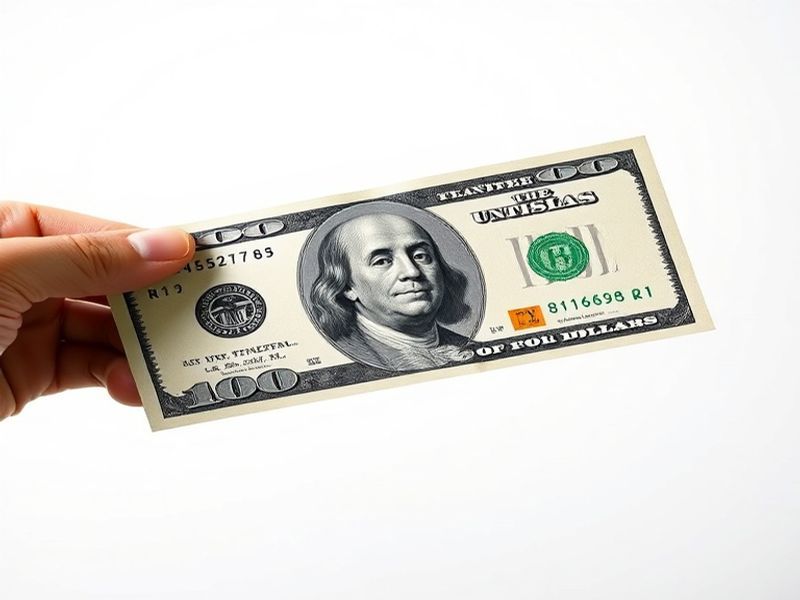
The U.S. dollar isn’t just another currency—it’s the backbone of global finance. More than 60% of foreign exchange reserves held by central banks are denominated in dollars. Trade in oil, gold, and other commodities is almost exclusively priced in dollars. Even countries that dislike U.S. foreign policy often rely on the greenback to stabilize their own economies. The dollar’s dominance isn’t an accident. It’s the result of historical decisions, economic infrastructure, and a level of trust that few currencies can match.
This dominance extends beyond official institutions. International businesses, from small importers to multinational corporations, use dollars for cross-border transactions. The stability of the U.S. financial system, despite occasional crises, gives the dollar a reliability that alternatives like the euro or yuan struggle to match. Even cryptocurrencies, which were once seen as potential disruptors, are often valued in dollars or tethered to its value.
The Origins of Dollar Supremacy
The dollar’s rise to the top began in the mid-20th century. After World War II, the Bretton Woods Agreement established the dollar as the world’s primary reserve currency, backed by gold. This system, known as the gold standard, tied global currencies to the dollar, which in turn was convertible to gold at a fixed rate. For decades, this arrangement held firm—until 1971, when President Richard Nixon ended the dollar’s convertibility to gold. The world adjusted, and the dollar’s value was now backed by the strength of the U.S. economy itself.
This shift didn’t weaken the dollar; it reinforced its role. Without the gold constraint, the U.S. could print dollars to fund its deficits, ensuring liquidity for global trade. Other countries, especially those recovering from war or seeking rapid industrialization, needed dollars to rebuild. The dollar became the default currency for international transactions, a role it still holds today.
Challenges to Dollar Dominance
Despite its entrenched position, the dollar faces growing competition. China, the world’s second-largest economy, has been pushing for greater use of the yuan in international trade. Initiatives like the Belt and Road infrastructure projects often involve yuan-denominated contracts. Russia, facing sanctions, has also accelerated efforts to reduce its reliance on the dollar, increasing gold reserves and promoting trade in national currencies with allies like India and Iran.
Cryptocurrencies, particularly stablecoins like Tether, offer an alternative for digital transactions. While still niche, their growth signals a potential shift away from traditional banking systems. Even the European Union has explored ways to reduce dollar dependence, though the euro remains a distant second in global reserves.
Yet, none of these challenges have seriously threatened the dollar’s supremacy. The yuan lacks full convertibility and capital controls limit its global reach. Cryptocurrencies are volatile and lack regulatory backing. The euro, while stable, is hobbled by political divisions within the EU. For now, the dollar remains unchallenged as the world’s reserve currency.
Broader Implications of Dollar Dependence
The dollar’s dominance shapes global economics in ways that aren’t always visible. Countries with weak currencies often borrow in dollars to access cheaper capital, but this creates a dangerous dependency. If the dollar strengthens sharply, as it did in 2022, debt burdens for emerging economies balloon overnight. Argentina, Turkey, and Sri Lanka have all faced crises exacerbated by dollar-denominated loans.
For the U.S., this reliance on the dollar provides significant advantages. It allows the country to run large trade deficits without immediate consequences, since the rest of the world absorbs dollars and reinvests them in U.S. assets. This “exorbitant privilege,” as economist Valéry Giscard d’Estaing once called it, lets America borrow at lower costs than other nations. It also gives Washington immense geopolitical leverage—sanctions, tariffs, and financial restrictions can cripple economies that rely on dollar access.
But this power comes with risks. Overuse of financial sanctions, particularly those targeting Russia after its invasion of Ukraine, has led some countries to seek alternatives. China and Russia have increased bilateral trade in yuan and rubles. India and the UAE have discussed settling oil trades in rupees. While these moves are still limited, they signal a gradual erosion of dollar dependency.
What’s Next for the Dollar?
The dollar’s future depends on several factors. Domestically, U.S. fiscal policy plays a crucial role. Rising national debt and political gridlock over spending could erode confidence in the dollar. Inflation, if left unchecked, would also weaken its appeal. Externally, the rise of alternative payment systems, such as China’s Cross-Border Interbank Payment System (CIPS), could chip away at dollar dominance over time.
Yet, for all its vulnerabilities, the dollar remains the safest option in an uncertain world. The U.S. economy is still the largest, its financial markets the deepest, and its legal system the most reliable for contract enforcement. Until a credible alternative emerges—and none has yet—the dollar will likely retain its crown.
For now, the world continues to transact, invest, and save in dollars. Until that changes, the greenback will remain the undisputed king of currencies.
Key Takeaways About the U.S. Dollar
- Reserve Currency Status: Over 60% of global foreign reserves are held in dollars, more than any other currency.
- Trade Backbone: Oil, gold, and major commodities are priced in dollars, ensuring widespread use.
- Geopolitical Tool: U.S. sanctions and financial restrictions leverage the dollar’s dominance to enforce policy.
- Emerging Challenges: China, Russia, and cryptocurrencies are slowly reducing reliance on the dollar, but progress is limited.
- Structural Advantages: The U.S. can run deficits and borrow cheaply because of the dollar’s global role.
For deeper analysis on economic trends and their global impact, explore our Finance and Politics categories at Dave’s Locker.
Conclusion: The Dollar’s Enduring Legacy
The U.S. dollar’s grip on the global economy is unmatched, but it’s not unassailable. Its dominance is built on decades of economic strength, institutional trust, and a lack of viable alternatives. Yet, as geopolitical tensions rise and new technologies emerge, cracks are beginning to show. The world may never fully abandon the dollar—but it’s starting to hedge its bets.
For investors, policymakers, and everyday citizens, understanding the dollar’s role is essential. It shapes interest rates, trade flows, and even political alliances. As long as the U.S. maintains economic stability and avoids self-inflicted crises, the dollar will remain the world’s currency. But history has shown that no financial system lasts forever. The question isn’t whether the dollar will lose its crown—but when.