Pascua: How One Word Holds Faith, Celebration and Culture Worldwide
“`html
What Is Pascua? Tracing Its Roots Across Continents
Pascua is a word that carries deep meaning in multiple cultures, yet its interpretation shifts dramatically depending on geography and history. In Spanish-speaking regions, Pascua primarily refers to Easter, the Christian holiday marking the resurrection of Jesus. However, in other contexts—particularly in the Philippines and parts of Latin America—it takes on broader meanings tied to celebration, renewal, and ancestral traditions. Understanding Pascua requires more than a dictionary definition; it demands exploration of ritual, spirituality, and communal identity.
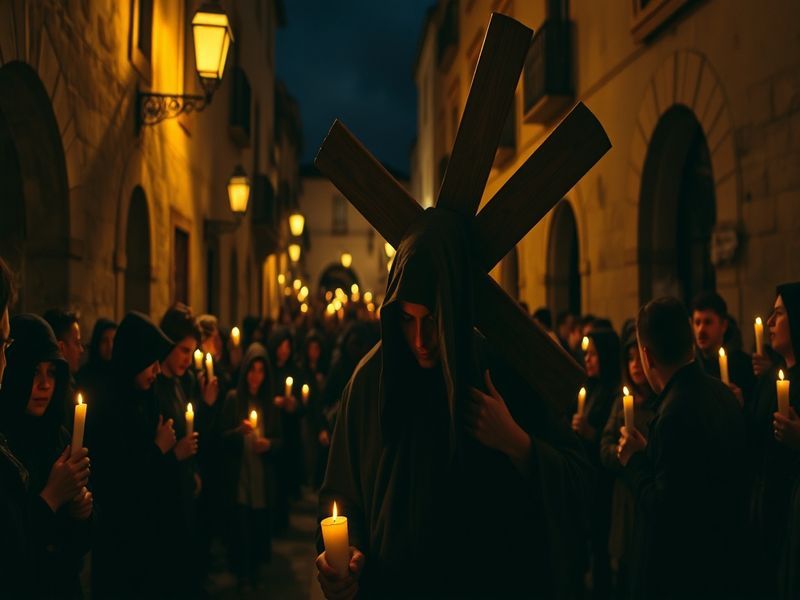
The term itself stems from the Latin Pascha, which entered Spanish as Pascua and evolved in parallel with Christian liturgical traditions. Yet outside religious observance, the word has been repurposed in festivals, food, and folklore. From the candlelit processions of Seville to the family gatherings in rural Mexico, Pascua is as much about collective memory as it is about doctrine. This duality reflects how language adapts to cultural needs, turning a single word into a vessel for diverse experiences.
The Religious Core: Easter in the Spanish-Speaking World
In Spain, Mexico, and most Latin American countries, Pascua is synonymous with Easter Week, or Semana Santa. This is not merely a single day but a seven-day observance marked by solemn processions, fasting, and dramatic reenactments of the Passion of Christ. The most famous of these take place in Andalusia, where brotherhoods carry towering floats depicting scenes of Jesus’ suffering through narrow streets, accompanied by the haunting strains of saetas—flamenco-style religious songs sung spontaneously from balconies.
In contrast, the Philippines—home to one of the world’s most intense Easter celebrations—takes Pascua to another level. Known for its Senakulo (passion plays) and self-flagellation rituals in towns like San Fernando, the country blends indigenous folk beliefs with Catholic fervor. Here, Pascua is not just observed; it is performed, with participants sometimes reenacting the crucifixion by being nailed to crosses. This fusion of colonial faith and pre-Hispanic tradition illustrates how Pascua adapts to local spiritual landscapes.
Even in diaspora communities, Pascua retains its centrality. In the United States, cities with large Hispanic populations—such as Los Angeles and San Antonio—host massive Semana Santa events, blending tradition with modern expression. These gatherings serve both as spiritual renewal and cultural preservation, proving that Pascua remains a living tradition, not a relic of the past.
Beyond the Cross: Pascua as a Season of Celebration
While religious observance dominates the narrative of Pascua in Western contexts, the word also resonates in secular and folk traditions. In the Philippines, for instance, Pasko (a variant of Pascua) refers to Christmas, highlighting how the term has expanded to encompass an entire season of joy, family reunions, and gift-giving. Similarly, in some Latin American communities, Pascua marks not only Easter but also harvest festivals, where gratitude is expressed through food, dance, and communal feasts.
One striking example is the Pascua de los Gitanos in southern Spain, where the Romani community celebrates Easter with flamenco, horse parades, and open-air markets. This version of Pascua is less about church doctrine and more about cultural pride, blending Roma identity with the shared Spanish calendar. It reflects a broader truth: Pascua, like many religious terms, has been reclaimed and reinterpreted by marginalized groups to assert their place in society.
In the culinary realm, Pascua is also a season of abundance. Traditional dishes vary widely:
- Spain: Torrijas (French toast soaked in milk and fried), a Lenten treat that transitions into Easter indulgence.
- Mexico: Capirotada, a bread pudding layered with cheese, raisins, and piloncillo syrup, symbolizing the layers of faith and life.
- Philippines: Hamón (cured ham), queso de bola (Edam cheese), and lechon (whole roasted pig), central to Easter feasts.
- Guatemala: Fiambre, a massive cold salad containing over 50 ingredients, prepared communally and shared among families.
These foods are not merely sustenance; they are edible histories, carrying the flavors of colonization, trade, and local innovation.
Pascua in the Global Diaspora: Identity and Adaptation
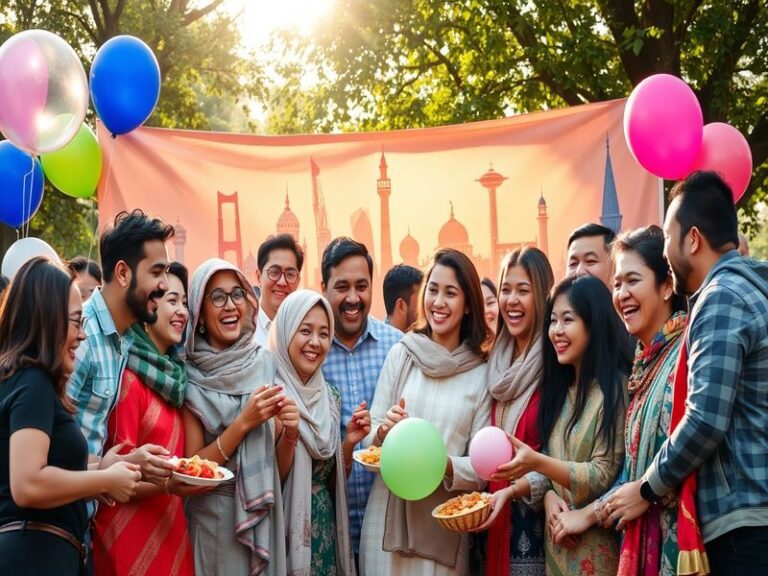
As migration reshapes cultural landscapes, Pascua has become a bridge between past and present. In cities like New York, Paris, and Tokyo, immigrant communities recreate Pascua celebrations, often adapting them to new environments. The Easter Parade in New York’s Fifth Avenue, for instance, is less a religious event and more a display of spring fashion and immigrant pride, with participants wearing elaborate hats and costumes.
Meanwhile, in Australia, where Easter falls during autumn, some communities blend Pascua with Indigenous traditions, acknowledging the land’s original custodians. This cross-pollination shows how global movements can enrich local cultures without erasing their roots. Pascua, in these contexts, becomes a symbol of resilience—a way for displaced communities to maintain connection to heritage while embracing change.
Digital platforms have further transformed Pascua’s reach. Social media now amplifies regional variations, with hashtags like #SemanaSanta2024 and #PascuaFilipina showcasing celebrations worldwide. This virtual dimension ensures that even those far from home can participate, turning Pascua into a transnational experience. Yet, it also raises questions about authenticity—can a livestreamed procession capture the same spiritual weight as one attended in person?
Conclusion: Pascua as a Living Tradition
Pascua is more than a holiday or a word. It is a living archive of faith, resistance, adaptation, and joy. From the candlelit streets of Seville to the crowded plazas of Manila, it adapts without losing its essence. It reminds us that tradition is not static but evolves with each generation, each migration, each act of cultural negotiation.
In an increasingly fragmented world, Pascua offers a counterpoint—a shared rhythm that connects people across oceans and ideologies. Whether observed through prayer, feasting, or artistic expression, it endures because it fulfills a universal human need: to remember, to celebrate, and to belong. As we move forward, the challenge will be to preserve Pascua’s depth while allowing it the flexibility to grow.
For those curious to explore further, consider visiting local cultural festivals or engaging with diaspora communities in your area. Pascua is not just something to read about—it’s something to experience.