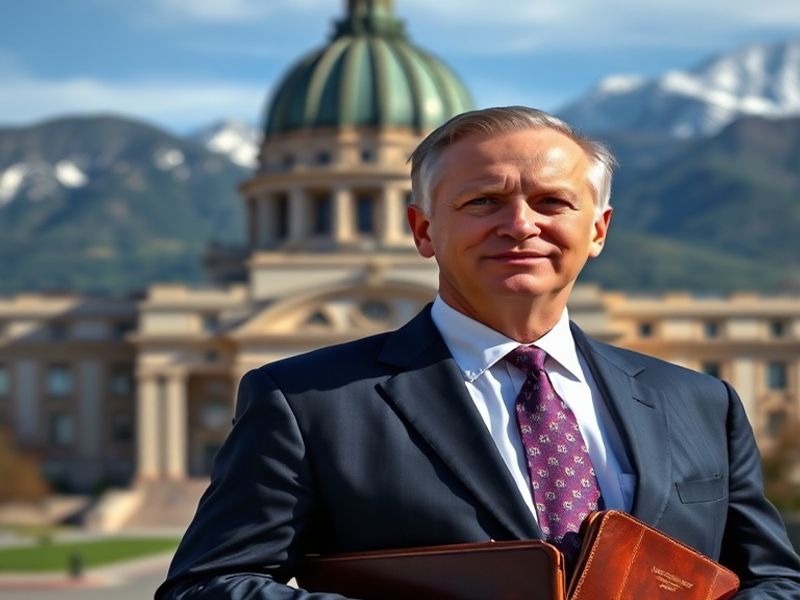
Colorado’s Governors: A Legacy of Leadership and Change
The role of the governor of Colorado extends far beyond state borders, shaping policies that influence everything from environmental conservation to economic growth. Over the decades, Colorado’s governors have reflected the state’s evolving identity—balancing progressive ideals with pragmatic governance. Their decisions often ripple across the Rocky Mountain region, impacting industries like outdoor recreation, technology, and energy.
Colorado’s political landscape has historically leaned toward moderate and progressive candidates, reflecting the state’s diverse urban centers and rural communities. From the early days of territorial governance to the modern era, the governor’s office has been a platform for both local leadership and national influence. Today, the state’s policies on cannabis legalization, renewable energy, and education continue to draw international attention.
The Evolution of Colorado’s Governatorial Role
The position of governor in Colorado was established in 1876, when the state joined the Union. Early governors dealt with challenges like frontier justice, mining booms, and the complexities of territorial expansion. Figures like John Routt, the first elected governor, set precedents for leadership that balanced development with community needs.
By the 20th century, Colorado’s governors began addressing issues that resonated beyond state lines. For example, Governor Richard Lamm, who served from 1975 to 1987, became known for his progressive stance on environmental issues and healthcare reform. His policies on water conservation and sustainable growth were ahead of their time, influencing similar efforts globally.
In recent years, the role has expanded to include managing the impacts of climate change, particularly as wildfires and droughts intensify. Governors like Jared Polis, elected in 2018, have prioritized renewable energy initiatives, pushing Colorado toward a greener future. This shift aligns with global trends, as nations increasingly focus on sustainability.
Key Policy Areas Shaping Colorado’s Governance
Colorado’s governors have left their mark on several critical policy areas, each with far-reaching consequences:
- Environmental Stewardship: Governors have championed policies to protect Colorado’s natural landscapes, from the Rocky Mountains to the Great Plains. Initiatives like the Colorado Outdoor Recreation Industry Office have positioned the state as a leader in sustainable tourism and conservation.
- Cannabis Legalization: Colorado became a pioneer in cannabis reform in 2012 when voters approved Amendment 64. Governors since then have navigated the challenges of regulating a new industry while addressing social equity and public health concerns.
- Economic Diversification: Efforts to reduce reliance on traditional industries like mining and agriculture have led to growth in technology and renewable energy sectors. Governors have played a pivotal role in attracting businesses and fostering innovation.
- Education Reform: From early childhood education to higher learning, Colorado’s governors have sought to improve access and quality. Policies like the Colorado READ Act aim to address literacy gaps, particularly in underserved communities.
The interplay between these policies often creates tension. For instance, balancing economic growth with environmental protections requires careful negotiation. Governors must weigh the needs of urban populations against those of rural areas, where industries like agriculture and mining remain vital.
Global Influences on Colorado’s Leadership
Colorado’s governors do not operate in a vacuum. Their decisions are shaped by global trends, from climate agreements to international trade policies. For example, the state’s push for renewable energy aligns with the Paris Agreement, demonstrating how local actions contribute to global efforts.
Similarly, Colorado’s cannabis industry has become a model for other nations exploring legalization. Countries like Canada and Uruguay have looked to Colorado’s regulatory framework as a reference point. This exchange of ideas highlights how state-level governance can influence international policy.
The state’s growing tech sector also reflects global trends. Companies like Google, Amazon, and startups in Denver and Boulder are part of a broader movement toward innovation hubs. Governors have worked to create environments that attract talent and investment, positioning Colorado as a competitor to Silicon Valley and other tech centers.
Culturally, Colorado’s governors have also played a role in shaping the state’s image. The emphasis on outdoor recreation, wellness, and progressive values has made Colorado a destination for young professionals and retirees alike. This cultural shift has economic implications, driving demand for housing, services, and infrastructure.
The Future of Colorado’s Governorship
As Colorado continues to evolve, so too will the role of its governor. Emerging challenges like housing affordability, healthcare access, and climate resilience will demand innovative solutions. The next generation of leaders will need to navigate these issues while maintaining the state’s unique identity.
One area to watch is the intersection of technology and governance. As digital tools become more integrated into public administration, governors will need to address issues like cybersecurity and data privacy. Colorado’s tech-savvy population may provide an advantage in this arena.
Another critical factor is the balance between urban and rural interests. While cities like Denver and Fort Collins drive economic growth, rural areas face distinct challenges, from declining populations to limited access to healthcare. Governors will need to craft policies that address these disparities without alienating any segment of the population.
The state’s political climate adds another layer of complexity. Colorado has a history of split-ticket voting, with voters often electing leaders from different parties at the state and federal levels. This dynamic can create both opportunities and challenges for governors seeking to implement their agendas.
Conclusion: A Governor’s Impact Extends Far Beyond the Capitol
The governor of Colorado holds a position of significant influence, not just within the state but across the nation and the world. From environmental policies to economic strategies, their decisions shape the lives of millions. As Colorado continues to grow and change, the role of the governor will remain a cornerstone of its future.
For those interested in the broader context of American governance, Politics offers deeper insights into how state leadership intersects with national trends. Similarly, Analysis provides context on the broader implications of these policies.
Ultimately, Colorado’s governors exemplify how leadership at the state level can drive meaningful change. Their ability to adapt to new challenges while staying true to the state’s values will determine Colorado’s trajectory in the decades to come.