Tour of Flanders 2026: Tradition Meets Modern Challenges in Cycling’s Iconic Race
“`html
Tour of Flanders 2026: Cycling’s Oldest Monument Faces New Challenges
The Tour of Flanders, or Ronde van Vlaanderen, stands as one of cycling’s most revered monuments—a 119-year-old race that blends history, culture, and athletic brilliance into a single spring weekend. As the 2026 edition approaches, the event finds itself at a crossroads, balancing tradition against modernization, local pride against global expansion, and sustainability against commercial demands. For cycling fans worldwide, the Ronde is more than a race; it’s a living archive of the sport’s soul.
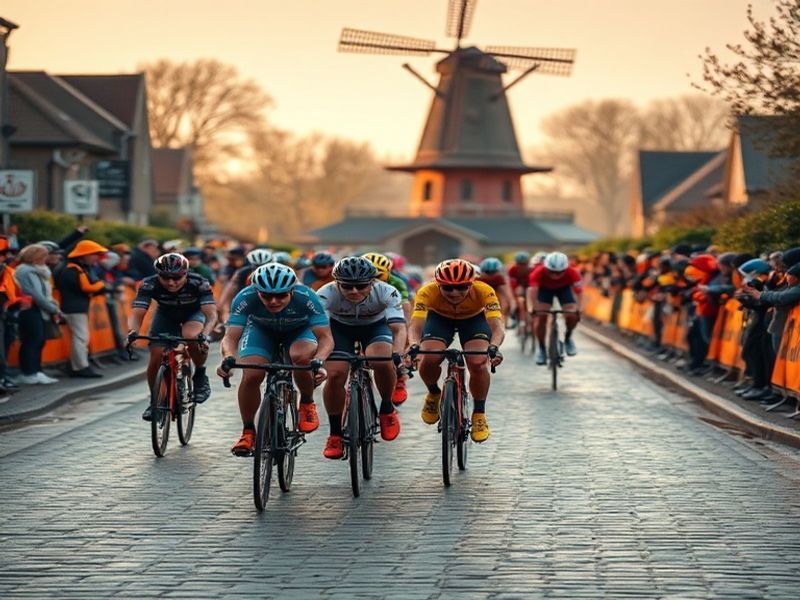
Unlike the Tour de France, which dominates July with three weeks of relentless competition, the Ronde unfolds in a single, brutal day—typically the first Sunday in April. The 2026 edition, scheduled for April 5, will once again trace a 270-kilometer route through the rolling hills, cobblestone paths, and medieval villages of Flanders, Belgium. Yet beneath the familiar terrain lies a shifting landscape: rising costs, evolving fan expectations, and the relentless push for inclusivity in a sport still grappling with its past.
The Cultural Heartbeat of Flanders
The Ronde is deeply woven into Flemish identity. It’s not merely a sporting event; it’s a secular pilgrimage. For generations, families have gathered along the Koppenberg, the Paterberg, and the Muur van Geraardsbergen, not just to watch elite athletes, but to affirm a shared cultural narrative. The race’s most iconic climbs are more than challenges—they are symbols of Flemish grit, endurance, and regional pride.
This cultural significance is reflected in the race’s traditions. The iconic Flandrien trophy, awarded to the winner, is a bronze statue of a cyclist climbing a steep hill—a tribute to the “Iron Men” of cycling’s early 20th century. The post-race celebrations in Oudenaarde, the race’s finish town, spill into the streets with live music, beer tents, and a palpable sense of communal joy. For many Belgians, the Ronde is less a race and more a festival of identity.
But this identity is increasingly under scrutiny. As global audiences grow, so does pressure to make the event more accessible. While the race remains rooted in Flemish soil, its broadcast reach now spans 190 countries. The 2026 edition will feature enhanced streaming options, multilingual commentary, and digital fan engagement tools—efforts to bridge the gap between local tradition and international fandom.
Economic Pressures and the Cost of Prestige
Organizing the Ronde is a logistical and financial feat. Hosting a WorldTour event in a region known for its high land prices and strict environmental regulations comes with a hefty price tag. The 2026 budget is expected to exceed €12 million, nearly double what it was a decade ago. Most of this revenue comes from broadcasting rights, sponsorships, and local government support—but the margins remain thin.
Sponsorships have become harder to secure. While global brands like Lotto and Trek continue their long-standing support, younger, sustainability-focused companies are hesitant to align with an event tied to car-centric infrastructure and high carbon emissions from helicopter broadcasts and team logistics. The 2026 organizers have responded by launching a “Green Ronde” initiative, aiming to reduce race-day emissions by 30% through electric support vehicles and localized catering.
The cost of hosting also affects local communities. While the race brings in tourism revenue—estimates suggest €40 million annually—it disrupts local life for weeks. Road closures, increased security, and price hikes in hotels and restaurants create tension between economic benefit and resident inconvenience. The 2026 route has been designed with shorter, more dynamic stages in urban areas like Ghent and Bruges, partly to mitigate these issues and spread the economic impact.
Key Revenue Streams for the 2026 Ronde
- Broadcast rights: 55% of total budget
- Sponsorships: 25% (including title sponsor and kit partners)
- Local government grants: 12% (Flanders regional and municipal)
- Ticketing and hospitality: 5%
- Merchandising and licensing: 3%
Globalization vs. Local Roots: Can the Ronde Stay Authentic?
The Ronde’s international appeal is undeniable. Riders from Australia, Colombia, and the United States now feature prominently in the start list. In 2024, Mathieu van der Poel’s victory was celebrated from Antwerp to Adelaide. Yet this global reach raises questions: Is the Ronde becoming too internationalized? Will its Flemish soul fade as foreign stars dominate the podium?
Some purists worry that the race is losing its character. The rise of superteams and tactical racing has led to criticism that the Ronde is becoming more predictable—a criticism often leveled at modern cycling. Others argue that globalization has democratized the sport, bringing in fresh talent and broader fan bases. The 2026 peloton will likely include more neo-pros and young riders, reflecting cycling’s shifting demographics.
Cultural critics point out that the Ronde’s most iconic moments often come from local heroes—cyclists like Tom Boonen or Johan Museeuw, who embody the Flemish fighting spirit. The 2026 edition features a strong Belgian contender in Remco Evenepoel, whose aggressive style has rekindled memories of the great Flandriens. His presence in the start list ensures the race remains a stage for national pride, even as foreign rivals like Tadej Pogačar and Wout van Aert loom large.
Technology, Safety, and the Future of Monument Races
The Ronde has always been a test of both body and machine. In 2026, technology will play a larger role—not just in performance, but in safety and experience. The organizers have partnered with Belgian tech firm Sciensano to implement real-time health monitoring for riders, using wearable sensors to track fatigue and hydration levels. This follows recent controversies around rider safety, including crashes on the Koppenberg in 2023 that led to calls for slower support car speeds.
Spectators, too, will experience the race differently. Augmented reality (AR) apps will allow fans to access live rider stats, historical footage, and 360-degree views from key climbs. QR codes along the route will link to educational content about the race’s history and Flemish culture. These innovations aim to deepen engagement without eroding the race’s authenticity.
Yet technology also introduces new challenges. The use of drones for aerial coverage has sparked privacy concerns among rural residents, many of whom live in the race’s most scenic but isolated areas. The 2026 organizers have agreed to limit drone flights in residential zones and increase transparency around data collection.
Beyond the Race: The Ronde’s Social and Environmental Impact
The Tour of Flanders is increasingly seen as a barometer for cycling’s broader role in society. In 2026, the race will serve as a platform for social initiatives, including a partnership with local youth cycling programs that provide free bikes and training to underrepresented communities. The “Ronde voor Iedereen” (Ronde for Everyone) campaign aims to make the race day more inclusive, with sign language interpreters at key locations and sensory-friendly zones for neurodivergent spectators.
Environmentally, the Ronde is under pressure to reduce its carbon footprint. The 2026 edition will be the first to publish a full sustainability report, detailing emissions from transport, food sourcing, and waste. Organizers have committed to using 100% renewable energy at the finish line in Oudenaarde and partnering with local farms to source 80% of race-day food within a 50-kilometer radius.
These efforts reflect a broader shift in sports culture, where legacy is measured not just in victories, but in responsibility. The Ronde’s organizers are acutely aware that the 2026 edition could either reinforce its reputation as a forward-thinking event or face criticism for greenwashing if promises aren’t met.
Why the Ronde Still Matters
In an era where most sports calendar events are designed for TV audiences and viral moments, the Ronde remains stubbornly authentic. It resists the temptation of night stages, artificial finishes, or gimmicks. The race is still won on the Muur, lost in the rain on the Paterberg, and celebrated in the streets of Oudenaarde with a simple beer and a handshake.
For cycling fans, the Tour of Flanders is a reminder of what makes the sport timeless. It’s not about global franchises or algorithm-driven content—it’s about community, courage, and a landscape that has shaped champions for over a century. As the 2026 edition approaches, the Ronde stands as both a monument to the past and a canvas for the future—one that must carefully balance evolution with reverence.
The 2026 race may not redefine cycling, but it could redefine how we value tradition in a rapidly changing world. And in that balance lies its enduring power.