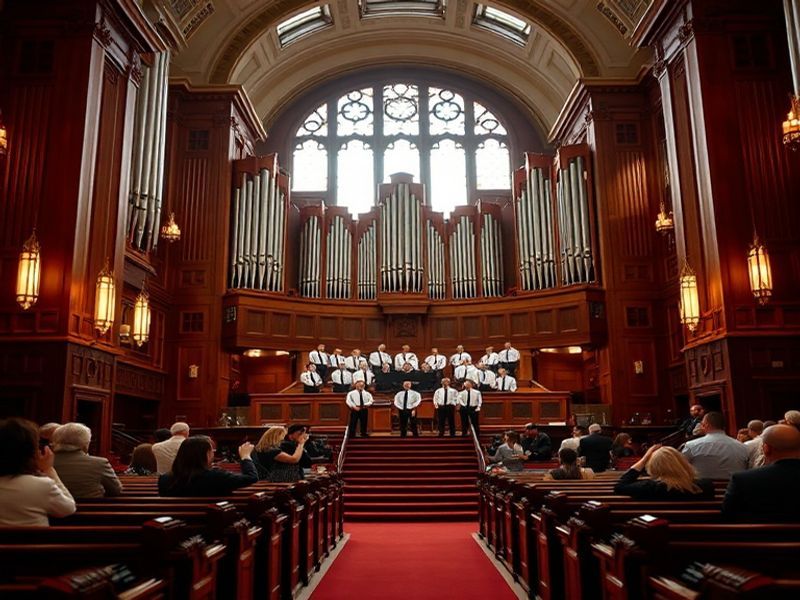
The Church of Jesus Christ of Latter-day Saints (LDS Church) holds two major gatherings each year known as general conference. These semi-annual events bring together leaders and members from around the globe in a shared spiritual experience. More than just religious assemblies, these conferences have evolved into cultural touchstones that reflect both tradition and adaptation in modern faith practices.
The spring and fall conferences feature sermons from church leaders, musical performances, and organizational updates broadcast worldwide. Attendance has shifted from in-person gatherings in Salt Lake City to a digital-first experience accessible to millions. This transformation reflects broader trends in how religious communities engage with technology while maintaining core traditions.
The Structure and Significance of General Conference
General conference operates on a biennial cycle with specific themes and purposes. The April conference traditionally focuses on spiritual renewal and organizational announcements, while October’s gathering often includes more substantial doctrinal discussions and leadership changes. Each session lasts approximately two hours and features talks from various church leaders, including the First Presidency and Quorum of the Twelve Apostles.
The conference follows a structured format that balances spiritual instruction with practical guidance. Sessions include:
- General sessions: Addresses delivered by senior leaders addressing global membership
- Women’s session: Separate meeting for female members featuring relevant spiritual messages
- Youth session: Specialized content for younger members
- Priesthood session: For male members holding priesthood offices
This organizational structure reflects the LDS Church’s emphasis on hierarchical leadership while maintaining specialized outreach to different demographic groups. The conference’s timing aligns with the church’s fiscal year, often coinciding with important administrative decisions.
From Local Gatherings to Global Broadcasts
The evolution of general conference from small Salt Lake City meetings to worldwide broadcasts demonstrates remarkable technological adaptation. In the 19th century, conferences were intimate affairs with limited attendance. By the mid-20th century, radio broadcasts expanded reach, and television expanded it further. Today’s digital streaming and social media integration represent the latest chapter in this technological journey.
The shift to online accessibility has democratized participation. Members in remote areas, those with disabilities, and individuals in restrictive countries can now fully engage with conference content. This digital transformation has also created new opportunities for community building through online discussions and social media interactions.
However, this evolution hasn’t been without challenges. The loss of in-person attendance affects local tourism and hospitality industries in Salt Lake City. Some traditionalists argue that digital participation lacks the spiritual power of physical presence, though empirical evidence of such differences remains anecdotal.
Broader Implications for Faith Communities
The LDS Church’s approach to general conference offers valuable insights into how modern religious organizations can balance tradition with innovation. The church’s successful digital transition serves as a case study for other faith communities grappling with similar challenges. The conference’s global reach demonstrates how technology can extend spiritual influence while maintaining doctrinal integrity.
Economically, general conference represents a significant investment in production quality and distribution infrastructure. The professional television production values and multi-platform distribution require substantial resources, indicating the church’s commitment to maintaining high standards in religious communication.
Socially, the conference’s messages often address contemporary issues like mental health, family dynamics, and ethical dilemmas. This relevance helps maintain engagement with younger generations while providing timeless spiritual guidance. The church’s emphasis on personal revelation within conference talks allows individual members to apply universal principles to their specific circumstances.
Looking Ahead: The Future of General Conference
As technology continues advancing, general conference will likely incorporate new innovations while preserving its core elements. Virtual reality gatherings, AI-assisted content delivery, and enhanced interactive experiences may emerge as next-generation features. The church’s careful balance between innovation and tradition suggests these changes will complement rather than replace existing formats.
The conference’s enduring appeal lies in its combination of spiritual nourishment and communal experience. While technology expands access, the fundamental human need for connection and transcendence remains constant. General conference satisfies this need through both its content and the shared experience of participation across diverse locations and cultures.
The LDS Church’s general conference demonstrates how ancient traditions can thrive in modern contexts. By adapting to technological realities while maintaining spiritual depth, the conference remains relevant to millions worldwide. This model offers valuable lessons for religious organizations navigating the challenges of the 21st century.
For those interested in exploring similar cultural phenomena, visit our Trending and Culture sections for more insights into how traditions evolve in the digital age.