Casa Pia AC: Lisbon’s Historic Underdog
Founded in 1920 in Lisbon’s Ajuda neighborhood, Casa Pia Atlético Clube has long been a symbol of resilience in Portuguese football. Originally created as a sporting extension of the Casa Pia charity institution—which dates back to the 18th century—the club was established to provide opportunities for underprivileged youth through sport and education. While Casa Pia has traditionally operated in the lower tiers of Portuguese football, its identity has always been rooted in community and integrity.
Unlike many clubs that rose to prominence through wealthy patrons or corporate investment, Casa Pia’s story is one of grassroots development. The club’s crest features a phoenix rising from flames, a nod to the institution’s rebirth after the devastation of the 1755 Lisbon earthquake. This symbolism extends to the football pitch, where Casa Pia has often risen from relegation battles to challenge for promotion—a narrative that resonates deeply with its supporters.
The Benfica Connection: A Rivalry Built on Contrast
Sport Lisboa e Benfica, commonly known as Benfica, stands in stark contrast to Casa Pia in nearly every aspect. Founded in 1904, Benfica is one of the “Big Three” clubs in Portugal and has a global fanbase exceeding 250 million. With 38 Primeira Liga titles, two European Cups, and a reputation for developing world-class talent, Benfica represents footballing excellence and tradition.
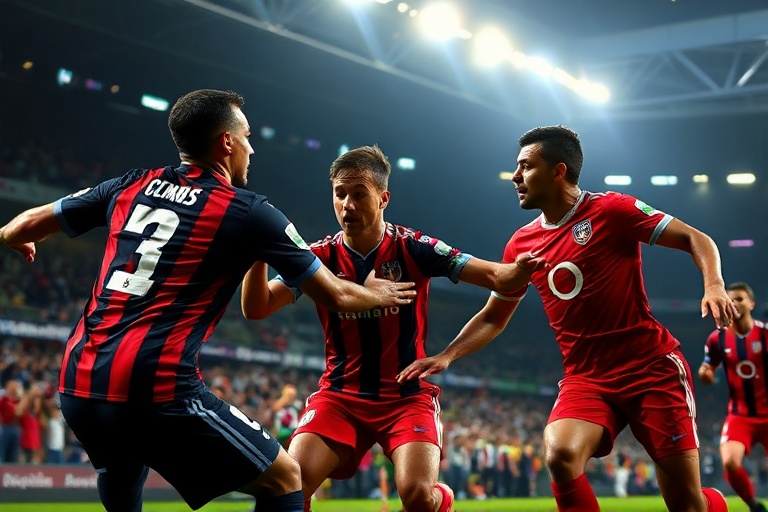
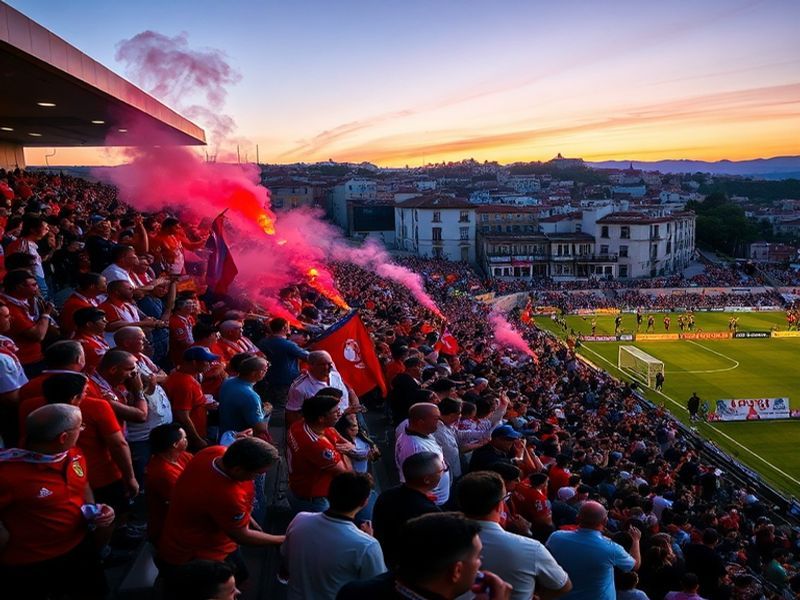
The rivalry between Casa Pia and Benfica is not one of historic dominance, but rather of symbolic contrast. Benfica’s grandeur is mirrored by Casa Pia’s humility. When these two clubs meet, the contrast becomes even more pronounced—the polished, commercialized side of Portuguese football facing off against a club that still trains on public pitches and relies on local fundraising. This David-and-Goliath dynamic gives the fixture emotional weight far beyond its league status.
Key Moments in the Rivalry
- 1980s Cup Clashes: During the 1980s, Casa Pia made several deep runs in the Taça de Portugal, occasionally drawing Benfica in early rounds. These matches, though one-sided in results, were celebrated by Casa Pia fans as David vs. Goliath narratives.
- 2017 Taça da Liga: In a rare meeting in the league cup, Benfica defeated Casa Pia 5–0. While the scoreline was lopsided, the match highlighted Benfica’s depth and Casa Pia’s fight to stay competitive.
- 2022 Promotion Push: As Casa Pia secured promotion to the Primeira Liga in 2022, the anticipation of a potential future league match with Benfica grew. Though they were relegated the following season, the rivalry remains a symbol of what could be.
Broader Implications: What This Rivalry Represents
The Casa Pia vs. Benfica dynamic transcends football. It reflects broader themes in Portuguese society: tradition versus innovation, wealth versus struggle, and the role of sport in social mobility. Benfica, with its massive stadium, global brand, and youth academy churning out talents like João Félix and Rúben Dias, embodies the commercialized future of football. Casa Pia, on the other hand, represents the soul of Portuguese football—unpolished, community-driven, and deeply human.
In an era where clubs are increasingly owned by foreign investment groups and governed by analytics, Casa Pia remains a refreshing anomaly. Its survival challenges the narrative that only financially powerful clubs can sustain success. Instead, Casa Pia’s existence underscores the importance of identity, heritage, and the transformative power of sport in marginalized communities.
For Benfica, the rivalry serves as a reminder of football’s origins. Even the most decorated clubs began somewhere, and Benfica’s leadership has publicly expressed respect for Casa Pia’s history. In 2020, Benfica donated €100,000 to Casa Pia’s youth academy, a gesture that symbolized mutual respect across the divide.
The Future of the Fixture
With Casa Pia now in the Segunda Liga and Benfica firmly established as a European contender, a league match between the two may not happen soon. But when it does, it will be more than a football match. It will be a cultural moment—a celebration of Lisbon’s diversity, a testament to the enduring power of local clubs, and a reminder that football is not just about trophies and stadiums, but about people and stories.
Casa Pia’s continued rise could one day see them return to the top flight. Should that happen, the potential for renewed rivalry with Benfica would not only energize Casapiana fans but also reintroduce Portuguese football to a narrative of hope and resilience. Until then, the clubs remain connected by geography, history, and an unspoken bond—one built not on glory, but on the love of the game.
For now, fans of both clubs can look forward to the next meeting in the cup competitions, where anything can happen in a single match. And in that unpredictability lies the magic of football—where a small club from Lisbon’s margins can dream of standing tall against the giants.
Casa Pia may not have the trophies or the global reach of Benfica, but it has something just as valuable: authenticity. And in a world where football is increasingly losing its soul to commercialism, that matters more than ever.
For further reading on Portuguese football culture and its evolving dynamics, visit our Sports and Culture sections.