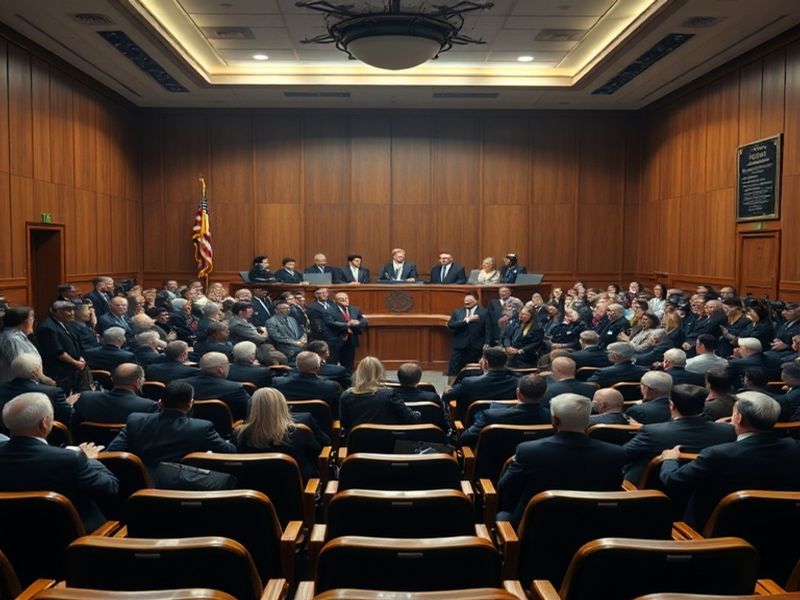
Class action lawsuits represent one of the most powerful tools in the legal system for addressing widespread harm. Unlike individual cases, these lawsuits allow a group of people with similar claims to join forces, increasing their collective bargaining power against corporations, institutions, or government entities. The concept dates back centuries but remains critically relevant today, particularly as consumers and workers face increasingly complex corporate practices.
To understand class actions, it’s essential to explore their legal foundations, how they function in practice, and the broader implications for society. This article breaks down these elements while examining real-world examples and the controversies that often surround these cases. Whether you’ve been affected by corporate misconduct or simply want to understand your legal rights, this guide provides clarity on how class actions operate and why they matter.
The Legal Framework of Class Actions
Class actions are governed by specific procedural rules that vary slightly by jurisdiction but share core principles. In the United States, Rule 23 of the Federal Rules of Civil Procedure outlines the requirements for certifying a class. To qualify, a case must meet four key criteria:
- Numerosity: The class must be so large that individual lawsuits are impractical. Courts typically require dozens or hundreds of members, though there’s no strict minimum.
- Commonality: The legal or factual issues must be shared by all class members. This ensures the lawsuit addresses a uniform problem rather than individual grievances.
- Typicality: The claims of the class representatives must be typical of the entire class. Their experiences should reflect those of other members.
- Adequacy: The representatives and their attorneys must fairly and adequately protect the class’s interests. Conflicts of interest or incompetence can disqualify a case.
Once certified, the lawsuit proceeds as a single case, with the court’s decision binding all class members—unless they opt out. This structure levels the playing field, especially when defendants have vast resources. However, the process isn’t without challenges. Judges must carefully weigh whether the case meets Rule 23’s standards, and defendants often fight certification to avoid large-scale liability.
In recent years, technological advancements have introduced new complexities. Data breaches, for example, frequently lead to class actions where affected individuals may not even know they’re part of the suit. Courts have grappled with whether these cases meet the commonality requirement when harm varies among members. Legal scholars argue that these cases push the boundaries of traditional class action theory, requiring judges to adapt.
How Class Actions Work in Practice
The lifecycle of a class action begins with the filing of a complaint, often by a small group of plaintiffs represented by a law firm experienced in mass torts. After the initial filing, the next critical phase is class certification, where the judge decides whether the case can proceed as a class action. This stage can take months or even years, with both sides presenting evidence and arguments.
If certified, the lawsuit moves toward settlement negotiations or trial. Most class actions settle before reaching a verdict, as defendants may prefer to avoid the uncertainty of a jury trial and the potential for massive damages. Settlements often include compensation for class members, as well as injunctive relief—changes in corporate behavior to prevent future harm. For example, a settlement might require a company to alter its data collection practices after a privacy violation.
Not all class members receive direct compensation, particularly in cases involving small individual payouts. Instead, settlements may allocate funds for cy pres awards—donations to charities or legal aid organizations—when distributing small sums isn’t feasible. Critics argue this system can lead to inequities, as the primary beneficiaries may not be the harmed parties. Proponents counter that cy pres awards ensure at least some benefit reaches affected communities.
Communication is another vital aspect of class actions. Courts require notice to class members, often through mail, email, or even social media, depending on the case. This ensures everyone has the opportunity to opt out or object to the settlement. Poorly executed notice programs can undermine the fairness of a class action, leaving some members unaware of their rights.
Notable Examples and Their Impact
Some class actions have achieved historic settlements, reshaping industries and consumer protections. One of the most well-known is the 2013 Target data breach case, where hackers stole credit card information from 40 million customers. The resulting class action led to a $10 million settlement, though critics argued the payout was too small given the scale of the breach. The case highlighted the challenges of valuing harm in digital privacy cases, where financial losses may be difficult to quantify.
Another landmark case involved Wells Fargo’s fake accounts scandal, where employees opened millions of unauthorized accounts to meet sales targets. The $3 billion settlement in 2020 provided compensation to affected customers, but the fallout extended beyond dollars and cents. The scandal prompted regulatory reforms and underscored the need for stronger consumer protections in the banking industry.
Class actions have also targeted systemic injustices. In 2019, a class action lawsuit against the U.S. Department of Veterans Affairs resulted in a $196.5 million settlement for veterans who were wrongfully denied disability benefits. The case demonstrated how class actions can hold government entities accountable, ensuring systemic failures are addressed for large groups.
These examples illustrate the dual role of class actions: compensating victims while deterring future misconduct. However, they also reveal the limitations of the system. Even when settlements are substantial, the process can feel slow and opaque to class members. Many receive checks for amounts so small that they barely justify the effort of filing a claim, if they’re aware of the settlement at all.
Controversies and Criticisms
Despite their benefits, class actions are not without controversy. One persistent criticism is the role of plaintiffs’ attorneys, who often take a significant percentage of settlements—sometimes as much as 30%—as their fee. While these fees are subject to court approval, critics argue they can create conflicts of interest, incentivizing lawyers to prioritize large settlements over the best interests of class members.
Another issue is the rise of “coupon settlements,” where class members receive vouchers or discounts rather than cash. These settlements can benefit defendants by appearing generous while providing minimal actual value to plaintiffs. In 2005, Congress attempted to curb this practice with the Class Action Fairness Act, which requires courts to scrutinize settlements where coupons are the primary form of relief. However, the law hasn’t eliminated the problem entirely.
Class actions also face challenges from arbitration clauses, which many companies include in contracts to force disputes into private arbitration rather than court. These clauses have effectively barred consumers and employees from pursuing class actions, particularly in cases involving employment discrimination or consumer fraud. The U.S. Supreme Court has upheld these clauses, limiting access to class-wide relief for millions of Americans.
The debate over class actions extends to their broader societal impact. Supporters argue they are essential for holding powerful entities accountable, particularly when individual harms are too small to justify separate lawsuits. Critics, however, contend that class actions often benefit lawyers more than the people they’re supposed to help. These tensions ensure the system remains a topic of ongoing legal and political discussion.
What This Means for Consumers and Workers
For individuals, understanding class actions can empower them to take action when they’ve been wronged. If you suspect you’ve been affected by corporate misconduct—whether it’s a data breach, wage theft, or defective product—it’s worth investigating whether a class action exists. Websites like the Legal section of Dave’s Locker often highlight ongoing cases, providing resources for those who want to participate or opt out.
Workers, in particular, have used class actions to challenge exploitative labor practices. From wage theft to discrimination, these lawsuits have recovered billions for employees while forcing companies to change their policies. For example, a 2021 class action against Amazon for allegedly denying workers meal breaks resulted in a $1.5 million settlement. Such cases remind employers that systemic abuses will be met with collective legal action.
However, participation in a class action isn’t always straightforward. Notice procedures can be confusing, and the process of filing a claim—if one is required—can be cumbersome. Some class members may receive compensation checks years after the settlement, only to find the amount negligible compared to the inconvenience. This reality underscores the need for reforms to make class actions more transparent and beneficial for plaintiffs.
As corporate practices grow more complex, the role of class actions will likely expand. Whether through data privacy, environmental harm, or financial misconduct, these lawsuits remain a vital tool for justice. For consumers and workers, staying informed about their rights—and the tools available to enforce them—is more important than ever.
Conclusion: The Future of Class Actions
Class actions occupy a unique space in the legal system, blending individual justice with collective power. They offer a pathway for redress when corporations or institutions cause widespread harm, while also serving as a deterrent against future misconduct. Yet the system is far from perfect, with criticisms ranging from excessive attorney fees to the dilution of individual claims.
Looking ahead, the future of class actions may hinge on technological advancements and legislative reforms. As digital transactions and automated systems become the norm, new forms of harm will emerge—requiring courts to adapt the rules for certification and compensation. Meanwhile, lawmakers continue to debate the balance between corporate accountability and legal efficiency, with no clear consensus in sight.
For now, class actions remain a cornerstone of consumer and worker protections. They remind us that when individuals unite, their collective voice can challenge even the most entrenched power structures. Whether you’re a potential plaintiff, a legal observer, or simply someone who values fairness, understanding class actions is key to navigating the complexities of modern justice.