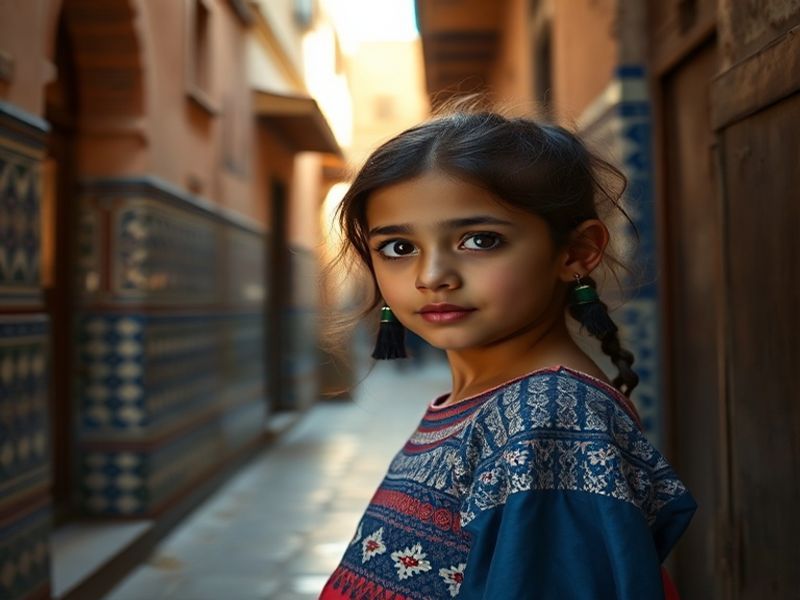
Fatima is a name that resonates across continents, languages, and faiths. With roots stretching back to the 7th century, it carries deep historical, religious, and cultural significance. More than just a personal name, Fatima represents a legacy that has shaped communities and inspired countless individuals throughout history.
The Historical and Religious Significance of Fatima
Fatima bint Muhammad, the daughter of the Islamic prophet Muhammad, stands at the center of this legacy. Born in Mecca around 604 CE, she became a pivotal figure in early Islamic history. Her life was marked by resilience, devotion, and unwavering faith, particularly during the early years of Islam when her family faced persecution in Mecca.
Fatima’s marriage to Ali ibn Abi Talib, the cousin and son-in-law of Muhammad, further cemented her influence. Together, they had two sons, Hasan and Husayn, who became central figures in Shia Islam. The reverence for Fatima transcends sectarian divides; Sunni Muslims also honor her as an exemplar of piety and virtue. Her name is invoked in prayers, literature, and religious texts, underscoring her enduring spiritual importance.
Key Aspects of Fatima’s Legacy
- Symbol of Resilience: Fatima endured hardship alongside her father during the early years of Islam, embodying perseverance and faith.
- Maternal Figure: Her role as a mother to Hasan and Husayn elevated her status as a matriarch in Islamic tradition.
- Spiritual Icon: Fatima is often depicted as a paragon of modesty, wisdom, and devotion in Islamic teachings.
- Cultural Bridge: The name Fatima has been adopted globally, reflecting its adaptability across different cultures and languages.
Fatima as a Cultural and Global Phenomenon
The name Fatima has transcended its religious origins to become a global phenomenon. In Arabic, it means “one who abstains” or “captivating,” but its appeal is not limited to the Arab world. Variations of the name appear in languages as diverse as Spanish (Fátima), Portuguese (Fátima), Swahili (Fatuma), and Turkish (Fatıma). This linguistic spread highlights its universal resonance.
In Portugal, the town of Fátima became a major pilgrimage site after the reported Marian apparitions in 1917. Millions of Catholics visit the Sanctuary of Our Lady of Fátima annually, making it one of the most visited religious sites in the world. This dual association—with both Islamic and Christian traditions—demonstrates the name’s remarkable versatility.
The name’s popularity also reflects broader demographic trends. In many countries, Fatima ranks among the top names for Muslim girls, while in non-Muslim majority nations, it remains a respected choice due to its historical and cultural weight. Its endurance over centuries speaks to the power of tradition in shaping naming conventions.
The Modern Relevance of the Name Fatima
In contemporary society, the name Fatima carries both pride and responsibility. For many Muslim families, naming a daughter Fatima is an act of homage to a revered figure. It symbolizes a connection to heritage and faith, even for those living in diaspora communities. The name serves as a reminder of strength and virtue in the face of adversity.
Yet the name is not without its complexities. In some Western contexts, Fatima has occasionally been subject to stereotypes or misconceptions, often fueled by media portrayals or political narratives. However, many women named Fatima have actively reclaimed the narrative, using their platforms to challenge biases and celebrate their identity. Their stories highlight the name’s resilience and evolving significance in modern discourse.
Educational institutions and cultural organizations have also recognized the name’s influence. Programs that explore the contributions of women like Fatima bint Muhammad help foster interfaith and intercultural dialogue. These initiatives underscore how a name can serve as a bridge between communities, fostering mutual understanding in an increasingly diverse world.
Why Fatima Matters Today
The story of Fatima extends beyond history books. It is a narrative about faith, family, and the power of legacy. In an era where identity is often politicized, the name Fatima reminds us of the shared values that unite different cultures and religions. It challenges us to look beyond superficial differences and recognize the common threads that bind humanity.
For historians, the name offers a lens into the early Islamic world and the role of women in shaping religious and social structures. For parents, it represents a timeless choice rooted in meaning and tradition. For society at large, Fatima’s story is a call to honor the contributions of women in history and to celebrate the names that carry their legacies forward.
As we reflect on the name Fatima, we are reminded that some stories transcend time. They are not just relics of the past but living traditions that continue to inspire and guide us. In a world often divided by borders and beliefs, names like Fatima serve as reminders of our shared humanity.
Ultimately, Fatima is more than a name. It is a testament to the enduring power of faith, family, and cultural identity. Across centuries and continents, it has remained a symbol of strength, devotion, and connection—a legacy that continues to resonate today.
For more insights into cultural figures and historical legacies, explore our Culture and Analysis sections on Dave’s Locker.