flea-borne typhus cases la
“`html
What Is Flea-Borne Typhus and Why Is It Spreading in Los Angeles?
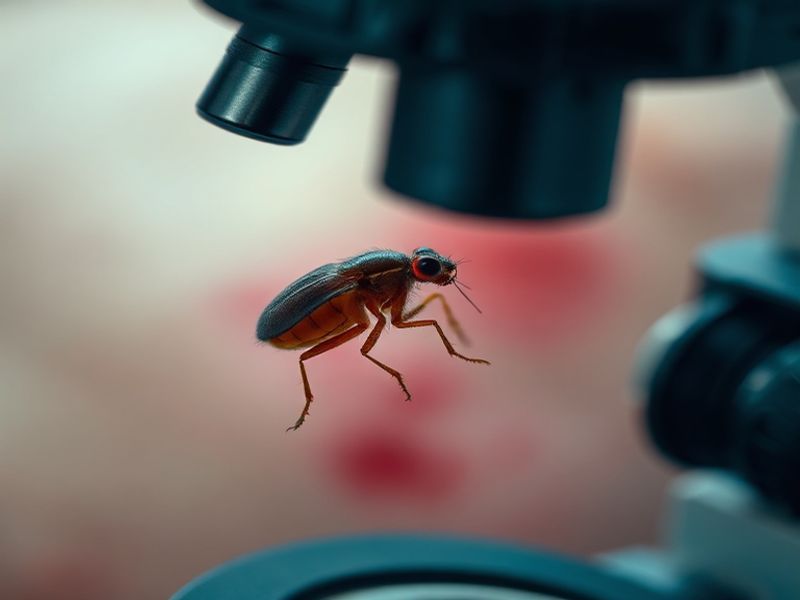
Flea-borne typhus, also known as murine typhus, is a bacterial infection transmitted primarily through fleas that infest rats, opossums, and other small mammals. The disease is caused by Rickettsia typhi and occasionally Rickettsia felis, which thrive in urban and suburban environments where rodents and their fleas coexist with humans. While the illness is treatable with antibiotics, its resurgence in Los Angeles has raised concerns among health officials and residents alike.
Los Angeles County has reported a significant increase in flea-borne typhus cases over the past decade. In 2023 alone, the county documented over 100 confirmed cases, a sharp rise from just a handful reported annually in the early 2010s. Public health experts attribute this spike to a combination of factors: urban sprawl encroaching on natural habitats, inadequate waste management, and a growing population of urban wildlife such as rats and opossums. These animals, often carriers of infected fleas, thrive in environments where food and shelter are abundant but sanitation is poor.
How the Disease Moves from Animals to Humans
The transmission cycle of flea-borne typhus is both simple and insidious. Fleas ingest the bacteria while feeding on infected animals, particularly rats. When these fleas later bite humans, they can transmit the bacteria through their feces, which may enter the body through scratches or broken skin—or even through inhalation of dried flea feces in dust. Unlike mosquito-borne illnesses, flea-borne typhus does not require a bite to spread; mere contact with contaminated environments can pose a risk.
Certain neighborhoods in Los Angeles are particularly vulnerable due to socioeconomic factors. Areas with older housing stock, inadequate pest control, and limited access to healthcare services have seen higher rates of infection. For example, communities in South Los Angeles and the San Fernando Valley have reported clusters of cases, often correlating with higher rat activity and substandard sanitation infrastructure. The disease does not discriminate by income, but its impact is disproportionately felt in underserved populations where prevention measures are harder to implement.
Common Symptoms and Diagnosis Challenges
Flea-borne typhus presents symptoms that closely resemble those of other febrile illnesses, such as the flu or COVID-19, making diagnosis tricky without proper testing. Patients typically experience fever, chills, muscle pain, and a rash that starts on the torso before spreading. Severe cases can lead to complications such as hepatitis, pneumonia, or even neurological issues if left untreated. Because symptoms can take up to two weeks to appear after exposure, patients often delay seeking medical attention, increasing the risk of complications.
Healthcare providers in Los Angeles are now urged to consider flea-borne typhus in their differential diagnoses, especially for patients with persistent fever and a history of exposure to rodents or fleas. The Los Angeles County Department of Public Health has issued guidelines for clinicians, emphasizing the importance of early antibiotic treatment with doxycycline. Public awareness campaigns have also been launched to educate residents about the risks and preventive measures, such as using flea control products on pets and sealing trash bins to deter rodents.
Global Context: Flea-Borne Typhus Beyond Los Angeles
While Los Angeles has become a focal point for recent flea-borne typhus activity in the United States, the disease is not unique to the region. Globally, flea-borne typhus is endemic in many tropical and subtropical areas, particularly in regions with poor sanitation and high rodent populations. Countries in Southeast Asia, Africa, and Latin America have long battled the disease, where it is often referred to as “endemic typhus” or “urban typhus.” In these areas, the illness is closely tied to poverty, overcrowding, and limited access to healthcare.
For instance, in cities like Mumbai, India, flea-borne typhus has been a recurring public health issue, with outbreaks often linked to slums where rats thrive amid stagnant water and garbage. Similarly, in parts of sub-Saharan Africa, the disease is a silent burden, underreported due to weak surveillance systems and competing health priorities. The World Health Organization (WHO) recognizes flea-borne typhus as a neglected tropical disease, one that receives far less attention than high-profile illnesses like malaria or dengue fever but still poses a significant threat to vulnerable populations.
Climate Change and Urbanization: Fueling the Spread
Two major global trends—climate change and rapid urbanization—are exacerbating the spread of flea-borne typhus. Warmer temperatures and increased rainfall create ideal conditions for fleas and rodents to reproduce and expand their habitats. In Los Angeles, drought conditions followed by heavy rains have disrupted ecosystems, forcing rats and opossums into closer contact with human dwellings as their natural food sources dwindle.
Urbanization also plays a critical role. As cities expand, green spaces are replaced with concrete, displacing wildlife but inadvertently creating new niches for rats and other pests. In Los Angeles, the growth of dense, low-income neighborhoods has outpaced infrastructure development, leaving gaps in waste management and rodent control. These conditions mirror those in rapidly growing cities across Latin America and Southeast Asia, where unplanned urbanization has led to similar public health crises.
Public health experts warn that without coordinated efforts to address these root causes, flea-borne typhus could become an even more pressing issue in the coming decades. Strategies such as integrated pest management, community education, and improved sanitation infrastructure are essential but require sustained investment and political will.
What Can Residents and Authorities Do to Combat the Spread?
Preventing flea-borne typhus requires a multi-pronged approach that involves both individual actions and systemic changes. For residents, the first line of defense is reducing exposure to fleas and rodents. This can be achieved by:
- Keeping pets on regular flea prevention medication, as cats and dogs can bring infected fleas into homes.
- Sealing trash bins and removing outdoor food sources that attract rodents, such as fallen fruit or uncovered compost piles.
- Sealing cracks and gaps in buildings to prevent rodents from entering homes.
- Using insect repellent when spending time outdoors in areas with known rodent activity.
Local authorities, on the other hand, must prioritize long-term solutions to curb the rodent population and improve sanitation. Initiatives such as rat abatement programs, public education campaigns, and stricter enforcement of building codes in high-risk areas can make a tangible difference. In Los Angeles, the county has increased efforts to trap and monitor rodents in hotspot neighborhoods, but critics argue that these measures are not enough without addressing the underlying issues of poverty and inequality that fuel the problem.
Collaboration between government agencies, nonprofits, and community organizations is also crucial. For example, the Los Angeles County Department of Public Health has partnered with local organizations to distribute educational materials and flea control products in vulnerable communities. These grassroots efforts are vital for reaching populations that may lack access to traditional healthcare services.
Looking Ahead: A Call for Sustained Action
The rise of flea-borne typhus in Los Angeles is a reminder of how interconnected human health is with the environment and urban planning. While the disease is treatable, its resurgence highlights the need for proactive measures to prevent future outbreaks. The lessons learned in Los Angeles could serve as a model for other cities grappling with similar challenges, from travel destinations in Southeast Asia to underserved neighborhoods in major U.S. cities.
As climate change continues to alter ecosystems and urbanization accelerates, the threat of neglected diseases like flea-borne typhus will only grow. Public health systems must adapt by investing in surveillance, research, and community-based interventions. Meanwhile, individuals can take small but meaningful steps to protect themselves and their families from this preventable illness.
For now, Los Angeles remains at the forefront of this battle, but the fight against flea-borne typhus is a global one. By addressing the root causes—poor sanitation, rodent infestations, and climate vulnerabilities—we can hope to turn the tide on this resurgent threat. The question is not whether flea-borne typhus will spread further, but how prepared we are to stop it.
—
METADATA—
{
“title”: “Flea-Borne Typhus Cases Rise in LA: Causes and Solutions”,
“metaDescription”: “Los Angeles sees a surge in flea-borne typhus cases linked to rodents and poor sanitation. Learn about causes, symptoms, and prevention.”,
“categories”: [“Health”, “News”],
“tags”: [“flea-borne typhus”, “Los Angeles health”, “rodent diseases”, “public health”, “urban wildlife”],
“imageDescription”: “A close-up of a rat in an urban alley with fleas visible, surrounded by trash bins and overgrown vegetation. The scene is dimly lit, evoking a sense of neglect and highlighting the connection between poor sanitation and disease transmission.”
}
—END METADATA—
“`