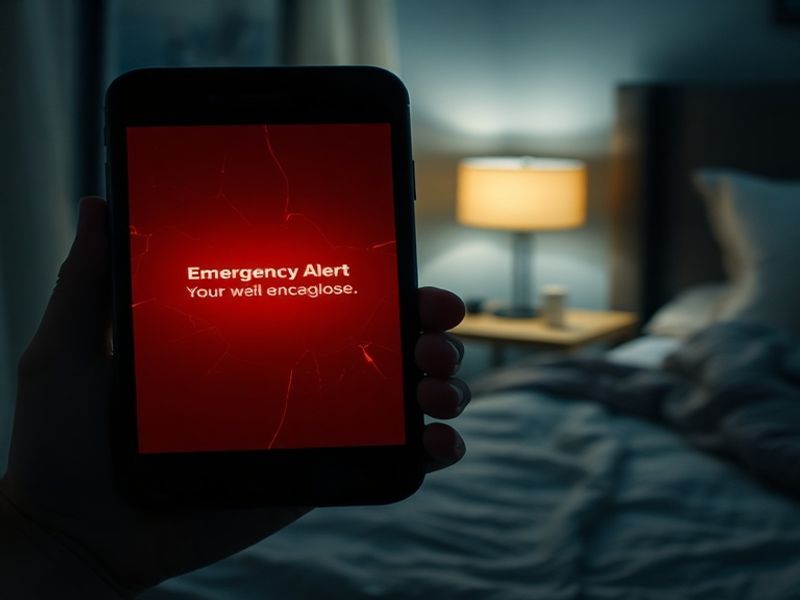
The sharp ring of a phone or the sudden blare of a siren can feel jarring. Yet these alerts serve a critical purpose—keeping people informed when seconds count. Emergency alert systems represent one of the most reliable ways governments and organizations broadcast urgent messages to large populations quickly. But how do these systems work, and why do they matter more than ever?
The Evolution of Emergency Alerts
Emergency alert systems have roots in early civil defense programs during the Cold War. The first widespread use of sirens came in the 1950s to warn of potential nuclear attacks. Over time, these systems evolved beyond sirens to include radio and television broadcasts, eventually integrating digital technology.
The modern era of emergency alerts began with the Emergency Alert System (EAS) in the United States, established in 1994. It replaced earlier systems like the Emergency Broadcast System. The EAS allowed for automated national alerts, such as weather warnings and AMBER alerts. Today, Wireless Emergency Alerts (WEA) send messages directly to mobile devices, ensuring people receive critical information even if they’re not watching TV or listening to the radio.
Other countries followed similar paths. In Japan, the J-Alert system provides earthquake and tsunami warnings within seconds. The European Union operates the EU-Alert system, which sends messages to mobile phones across member states. These systems reflect a global shift toward real-time communication during crises.
How Emergency Alert Systems Operate Today
Modern emergency alert systems rely on layered technology. At the federal level, agencies like the Federal Emergency Management Agency (FEMA) in the U.S. coordinate alerts through the Integrated Public Alert and Warning System (IPAWS). This platform integrates multiple warning systems into a single interface.
Here’s how the process typically works:
- Detection: Sensors, weather stations, or authorities identify a threat—such as a tornado, flood, or civil emergency.
- Verification: Officials confirm the threat and determine the appropriate alert level.
- Distribution: Alerts are sent through multiple channels, including television, radio, sirens, and mobile devices.
- Reception: People receive the message on their phones, TVs, or other devices, often with a distinct tone or vibration pattern.
In the United States, Wireless Emergency Alerts (WEA) can reach nearly every cell phone in a designated area. These alerts are broadcast using a technology called Cell Broadcast, which sends messages to all devices within range of cell towers, regardless of whether the user has signed up for the service.
Public participation is voluntary in most cases, but the system’s strength lies in its inclusivity. Alerts reach people across languages, abilities, and locations, ensuring no one is left in the dark.
The Role of Emergency Alerts in Crisis Response
Emergency alerts are not just about notifying people—they are about saving lives. During natural disasters, every minute counts. A timely tornado warning can prompt people to seek shelter before the storm hits. A flash flood alert can prevent drivers from entering dangerous areas. These systems act as a first line of defense against preventable tragedies.
Consider the 2017 Hurricane Harvey disaster in Texas. Emergency alerts provided real-time updates on flood zones and evacuation routes. Similarly, during the 2020 wildfires in California, alerts helped residents evacuate in time, reducing casualties. In Japan, the J-Alert system has repeatedly demonstrated its value during earthquakes, giving people crucial seconds to take cover.
Beyond natural disasters, emergency alerts play a role in human-made crises. Amber alerts help recover missing children. Public safety alerts notify communities of active threats, such as shootings or chemical spills. These systems also support public health initiatives, such as COVID-19 exposure notifications in some regions.
Yet the effectiveness of these systems depends on public trust. If alerts are overused or unclear, people may ignore them. Striking the right balance between urgency and relevance is essential. Authorities must ensure messages are concise, actionable, and free of unnecessary jargon.
Challenges and the Future of Emergency Alerts
Despite their importance, emergency alert systems face several challenges. One major issue is alert fatigue. In the U.S., false alarms or non-critical alerts can desensitize the public. For example, a mistaken missile alert in Hawaii in 2018 caused widespread panic. Such incidents highlight the need for rigorous testing and verification before sending alerts.
Another challenge is accessibility. Not all communities have equal access to technology. Elderly individuals or those in rural areas may rely on older communication methods, such as sirens or radio broadcasts. Ensuring alerts reach everyone requires redundancy in delivery methods.
The future of emergency alerts lies in innovation. Advances in AI and machine learning could improve threat detection and reduce false alarms. Integration with smart home devices, such as voice assistants, could deliver alerts in more accessible formats. Some cities are experimenting with targeted alerts that focus on specific neighborhoods rather than entire regions, reducing unnecessary disruptions.
Privacy concerns also emerge as systems become more sophisticated. While mobile alerts require no user sign-up, they rely on location data to target specific areas. Balancing privacy with public safety will remain a key debate as technology evolves.
Why Emergency Alerts Matter for Everyone
Emergency alert systems are often invisible until they’re needed. They don’t make headlines like a breaking news story, yet they are a cornerstone of public safety. In an age where misinformation spreads rapidly, these systems provide a trusted source of information during chaos.
For journalists, emergency alerts offer a critical tool for reporting. Reporters covering disasters rely on these alerts to verify information and communicate with the public. They also serve as a reminder of the importance of clear, factual communication in times of crisis.
For tech enthusiasts, the systems represent a fascinating intersection of communication and public infrastructure. The shift from analog sirens to digital alerts demonstrates how technology can enhance safety when applied thoughtfully.
And for everyday citizens, understanding how these systems work empowers better decision-making. Knowing when to trust an alert—and when to seek additional information—can make all the difference.
As climate change increases the frequency of extreme weather events, the role of emergency alerts will only grow. Governments and organizations must continue refining these systems, ensuring they remain reliable, accessible, and effective. The goal is simple: to keep communities informed, prepared, and safe.
In the end, emergency alerts are more than just notifications. They are a lifeline—a reminder that in times of crisis, society has built tools to protect itself. The challenge now is to use them wisely, improve them constantly, and ensure no one is ever left uninformed when it matters most.
For more on how technology intersects with public safety, visit Technology and News on Dave’s Locker.