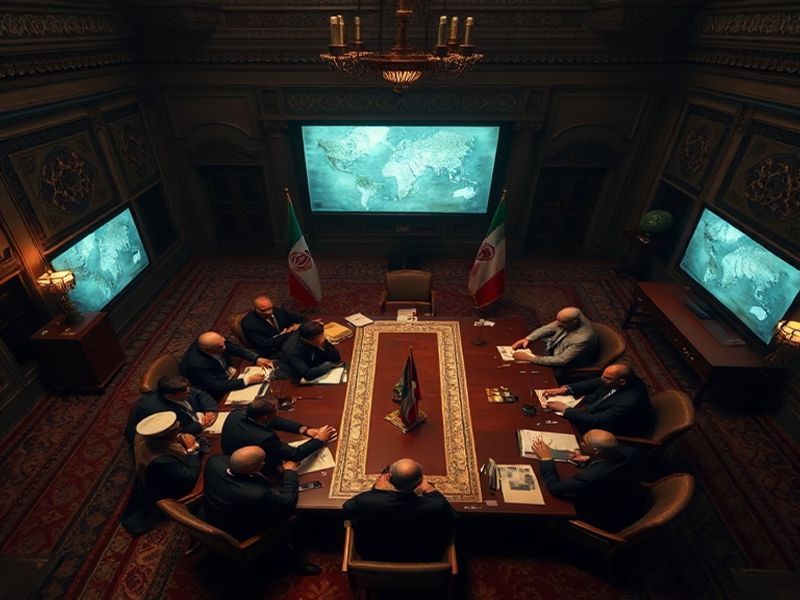
Iran Mediators Push Final 45-Day Ceasefire Bid as Deadline Looms
“`html
Iran Mediators Make Last-Ditch Push for 45-Day Ceasefire
Diplomatic efforts led by Iranian mediators are intensifying as the deadline for a potential 45-day ceasefire in the ongoing conflict approaches. With civilian casualties mounting and international pressure increasing, the urgency of securing a temporary halt to hostilities has never been more pronounced. The proposed agreement aims to create a window for broader negotiations, though obstacles remain significant.
The mediators, representing Iran’s Ministry of Foreign Affairs, have engaged in round-the-clock discussions with key stakeholders, including representatives from the warring factions and regional powers. Their goal is to finalize terms that would pause military operations while addressing core demands from both sides. Success is far from guaranteed, but the consequences of failure could reshape the conflict’s trajectory.
Terms of the Proposed Ceasefire
The draft ceasefire agreement outlines several critical provisions designed to de-escalate tensions. Among the most notable is a complete halt to airstrikes and ground offensives for a period of 45 days. This would be accompanied by a monitored withdrawal of heavy weaponry from frontline positions, reducing the immediate threat to civilian areas.
Other key elements include:
- Humanitarian corridors: Safe passage for civilians trapped in conflict zones, facilitated by neutral third-party monitors.
- Prisoner exchanges: A structured process for releasing detainees held by opposing forces, contingent on mutual agreement.
- No reinforcements: Prohibition on the deployment of additional troops or military hardware into contested regions during the ceasefire period.
- International oversight: A UN-backed verification mechanism to ensure compliance from all parties.
Analysts note that the inclusion of humanitarian corridors reflects lessons learned from previous failed ceasefires, where civilians were often caught in crossfire despite formal agreements. The emphasis on prisoner exchanges also signals an attempt to build trust, as these issues have historically been flashpoints in past negotiations.
Regional and Global Reactions
The proposed ceasefire has elicited mixed responses from international actors. Neighboring countries, particularly those with strategic interests in the region, are closely monitoring developments. Saudi Arabia and the United Arab Emirates, while cautiously optimistic, have expressed skepticism about the durability of any agreement without guarantees of long-term commitments from the primary belligerents.
In Washington, the State Department has welcomed the initiative but stressed that the U.S. will only support a ceasefire if it includes verifiable steps toward a political solution. Meanwhile, European Union officials have urged all parties to engage in good faith, highlighting the risk of further destabilization if talks collapse.
Domestically, the proposed agreement has sparked debate. Human rights organizations have praised the humanitarian provisions but warn that without enforcement mechanisms, the ceasefire could become another unfulfilled promise. Opposition figures within the affected countries have accused their governments of using the negotiations as a delaying tactic to regroup militarily.
Challenges and Obstacles
Despite the urgency, several formidable obstacles threaten to derail the ceasefire effort. The most immediate is the deep mistrust between the warring parties, a legacy of decades of conflict and broken promises. Each side remains skeptical of the other’s intentions, with hardliners on both sides likely to resist concessions that could weaken their position.
Another critical hurdle is the involvement of external actors whose support has prolonged the conflict. Reports indicate that foreign military advisors remain embedded with local forces, complicating efforts to enforce a unilateral ceasefire. The presence of these advisors raises questions about whether they would comply with terms that restrict their allies’ operations.
Logistical challenges also loom large. Establishing and monitoring humanitarian corridors requires significant coordination, particularly in areas where infrastructure has been decimated by years of bombardment. The UN and other aid organizations have warned that even a temporary pause in fighting may not be sufficient to deliver critical supplies to besieged populations.
Finally, the economic toll of the conflict cannot be ignored. Both sides face mounting pressure from war fatigue among their populations, but economic elites tied to the military-industrial complex may resist any agreement that threatens their revenue streams. The prospect of prolonged negotiations could further erode public support for continued fighting, creating an unpredictable dynamic.
What Comes Next?
The coming days will determine whether the Iranian-mediated push for a ceasefire gains traction. If successful, the 45-day window could provide a much-needed respite, allowing for the resumption of dialogue on more complex issues, such as territorial disputes and governance reforms. Failure, however, risks escalating the conflict into a broader regional crisis, with unpredictable consequences for global stability.
For now, the mediators continue their efforts, balancing the demands of warring factions with the urgent needs of civilians caught in the crossfire. The stakes could not be higher, and the margin for error remains slim. Whether this will be another missed opportunity or a turning point in the conflict remains to be seen.
One thing is certain: the international community’s role in supporting or undermining these efforts will be decisive. As diplomats race against time, the world watches, hoping for a breakthrough that could spare countless lives and set the stage for lasting peace.
For more on the broader geopolitical implications of this crisis, visit our Politics section. To understand the humanitarian impact of prolonged conflicts, explore our Analysis category.