Iran Mediators Push for 45-Day Truce in Final Effort to Halt Conflict
“`html
Iran Mediators Make Last-Ditch Push for 45-Day Ceasefire
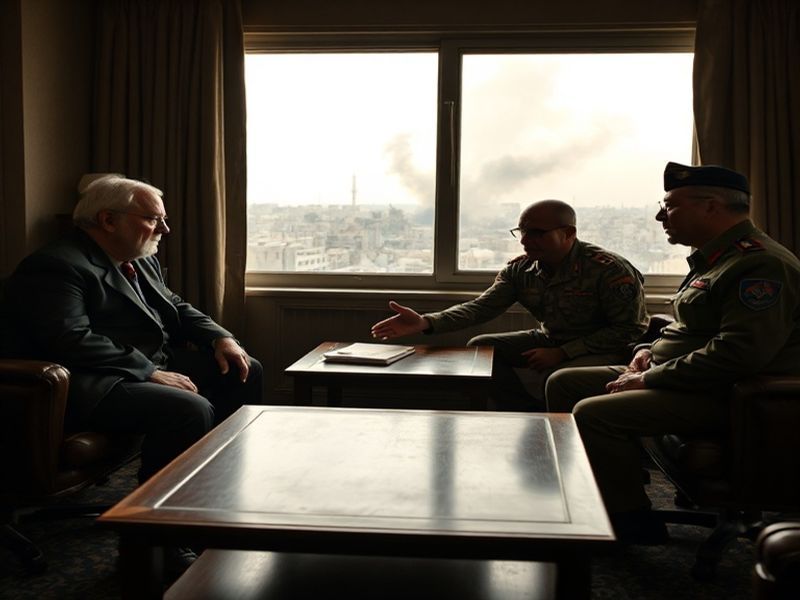
Diplomatic efforts led by Iranian mediators have intensified in recent days, as negotiators scramble to broker a 45-day ceasefire before a fragile window of opportunity closes. The proposed truce aims to halt hostilities in a conflict that has drawn regional powers into a precarious standoff. With lives hanging in the balance and diplomatic channels under immense strain, the urgency of these talks cannot be overstated.
Sources close to the negotiations describe a high-stakes atmosphere, where every concession carries significant weight. The proposed ceasefire would mark the first sustained pause in fighting in months, offering a critical chance for de-escalation. But success hinges on whether all parties can agree to terms that address their core security concerns.
The Framework of the Proposal
The 45-day ceasefire proposal, outlined in a series of closed-door meetings in Tehran, centers on a phased withdrawal of forces from contested territories. Under the plan, heavy weapons would be pulled back from frontline positions, and humanitarian aid corridors would be established to allow civilians trapped in conflict zones to receive medical supplies and food.
A draft of the agreement, obtained by regional media outlets, includes several key provisions:
- Immediate cessation of airstrikes targeting civilian infrastructure, including hospitals and schools.
- Limited prisoner exchanges to build initial trust and demonstrate goodwill.
- Monitoring committees composed of neutral parties to oversee compliance and report violations.
- Confidence-building measures, such as the resumption of stalled infrastructure repairs in war-torn areas.
The proposal also includes a clause for potential talks on long-term political solutions, though negotiators acknowledge that the immediate focus must remain on halting violence. Iranian officials have framed the plan as a “final opportunity” to avoid further destabilization, but skepticism remains high among international observers.
Regional Dynamics and the Role of Iran
Iran’s involvement in these mediation efforts is particularly noteworthy given its long-standing support for one of the conflict’s primary belligerents. The country has positioned itself as a neutral arbiter, though critics argue its historical ties complicate its role. Analysts suggest Iran’s motivation may stem from a desire to prevent further economic sanctions or regional isolation, particularly as tensions with Western powers escalate.
Meanwhile, neighboring countries are watching closely. Saudi Arabia, a key regional rival, has expressed cautious optimism but insists that any ceasefire must include verifiable mechanisms to prevent rearmament. Other Gulf states, including the UAE and Qatar, have offered logistical support for the talks, signaling a rare moment of alignment in a deeply divided region.
The broader implications of a successful ceasefire extend beyond the immediate conflict zone. A pause in hostilities could pave the way for broader diplomatic engagement, including potential talks on nuclear non-proliferation and regional security frameworks. However, failure to reach an agreement risks plunging the area into deeper chaos, with consequences that could ripple across global energy markets and supply chains.
Challenges and Obstacles
Despite the urgency, several obstacles threaten to derail the proposed ceasefire. Foremost among them is the lack of trust between the warring factions. Years of broken promises and sporadic violence have left all sides deeply skeptical of any diplomatic initiative. Additionally, the presence of non-state actors—such as militant groups with loose allegiances—complicates enforcement efforts.
Another major hurdle is the involvement of external powers. The conflict has become a proxy battleground for regional and global actors, with each side receiving varying degrees of support from international backers. This external interference makes it difficult to ensure compliance, as ceasefire violations by one party could trigger retaliatory strikes by its allies.
Time is also working against the mediators. The longer negotiations drag on, the greater the risk of fatigue setting in among key stakeholders. Humanitarian conditions continue to deteriorate, and the specter of famine looms in areas where food supplies have been cut off for months. With each passing day, the humanitarian toll grows, and the political cost of inaction rises.
What’s Next?
The coming days will be decisive. Iranian mediators have scheduled a high-level meeting for the end of the week, where representatives from all parties are expected to present their final positions. If the talks collapse, the consequences could be severe: renewed bombardment, mass displacement, and a humanitarian catastrophe of unprecedented scale.
Yet, there are glimmers of hope. For the first time in months, there is a tangible push for compromise. The proposed 45-day ceasefire may not resolve the underlying issues, but it could provide the breathing room needed to prevent further escalation. Whether that opportunity is seized remains to be seen.
One thing is certain: the stakes could not be higher. In a region already teetering on the edge of instability, the failure of these talks could push the entire area into uncharted and dangerous territory.
For updates on this developing story, follow News and Politics on Dave’s Locker.