Mexico’s Global Influence: Culture, Economy, and Innovation in 2024
“`html
Mexico: A Cultural Bridge Between Ancient Traditions and Modern Innovation
Mexico’s identity is woven from threads older than the Spanish conquest, yet it continues to redefine itself on the global stage. More than a tourist destination, the country stands as a dynamic intersection where indigenous heritage meets contemporary creativity. Its influence stretches far beyond its borders, shaping everything from global cuisine to cutting-edge art and technology.
The nation’s 32 states each contribute to this rich tapestry, offering contrasts that range from colonial cities frozen in time to sprawling metropolises buzzing with innovation. With a population of over 130 million people and a GDP ranking among the top 15 in the world, Mexico is not just a regional power—it is a cultural and economic force on the rise.
The Living Legacy of Indigenous Cultures
Long before the rise of Tenochtitlan or the arrival of the Spanish, Mexico was home to some of humanity’s most advanced civilizations. The Maya, Zapotec, Toltec, and Aztecs built cities, developed writing systems, and created art that still captivates the world. Today, over 7 million people in Mexico speak one of 68 recognized indigenous languages, and their traditions continue to thrive in daily life.
In Oaxaca, for example, the Zapotec people preserve ancient techniques for making mezcal, a spirit distilled from agave—long before it became a trend in global mixology. In Chiapas, Tzotzil and Tzeltal Maya communities maintain traditional weaving practices that produce textiles recognized for their intricate geometric patterns. These practices are not relics of the past; they are living arts passed down through generations.
Mexico’s indigenous heritage also lives through its food. Dishes like mole, tamales, and pozol are not merely recipes—they are narratives of migration, adaptation, and resistance. UNESCO has recognized Mexico’s culinary traditions as an Intangible Cultural Heritage, highlighting their role in shaping national identity and global gastronomy.
A Culinary Revolution
Mexico City’s food scene is a microcosm of this evolution. Once known primarily for street tacos and mole poblano, the capital now hosts restaurants like Pujol and Quintonil, which blend pre-Hispanic ingredients with avant-garde techniques. Meanwhile, in Puebla, chefs are reviving ancient corn varieties once thought lost, using them to create modern dishes that honor their origins.
This culinary renaissance reflects a broader trend: Mexico is reclaiming its narrative. From the 2018 election of President Andrés Manuel López Obrador—who campaigned on promises to prioritize indigenous rights and rural development—to the global success of films like Roma and The Shape of Water, the country is asserting its voice with renewed confidence.
Mexico in the Global Economy: More Than Manufacturing
Mexico is often associated with manufacturing, particularly in the automotive and aerospace sectors. It is the world’s seventh-largest car producer and a key link in global supply chains, home to plants operated by companies like General Motors, Volkswagen, and Tesla. But reducing Mexico’s economic role to assembly lines overlooks its growing influence in technology and innovation.
The country has become a hub for nearshoring, attracting companies seeking alternatives to Asian manufacturing due to rising costs and supply chain disruptions. Cities like Monterrey, Guadalajara, and Querétaro are now referred to as the “Silicon Valley of Mexico” for their concentration of tech startups and research centers. Guadalajara, in particular, is a global leader in software development and IT services, earning the nickname “The Silicon Valley of Latin America.”
Mexico is also making strides in renewable energy. With vast solar and wind resources, particularly in Oaxaca and Yucatán, the country is on track to meet its goal of generating 35% of its energy from renewables by 2024. This shift is not only environmentally crucial but also economically strategic, positioning Mexico as a leader in sustainable development within Latin America.
Cultural Exports That Shape the World
Mexico’s cultural influence extends into entertainment, fashion, and design. The global popularity of music genres like reggaeton and corridos tumbados owes much to Mexican artists like Peso Pluma, who have redefined regional sounds for a new generation. Meanwhile, Mexican designers such as Carla Fernández and Ektor García are reimagining traditional garments for contemporary audiences, blending indigenous patterns with modern aesthetics.
In film, directors like Alfonso Cuarón, Guillermo del Toro, and Alejandro González Iñárritu have redefined international cinema, earning Mexico a reputation as one of the most influential film industries in the world. Cuarón’s Roma, a black-and-white ode to his childhood in Mexico City, was nominated for 10 Academy Awards and brought global attention to the country’s social and political complexities.
The Challenges of Growth: Migration, Security, and Sustainability
Despite its progress, Mexico faces significant challenges. Migration remains a contentious issue, with thousands of Central Americans passing through Mexico en route to the United States. The country’s role as a transit nation has strained resources and sparked debates about human rights and border security. Meanwhile, cartel violence continues to plague regions like Michoacán and Tamaulipas, undermining stability and deterring foreign investment.
Environmental concerns also loom large. Deforestation, water scarcity, and pollution threaten both urban centers and rural communities. In Mexico City, air quality often ranks among the worst in the world, while in rural areas, indigenous communities struggle to access clean water. The government’s response has been inconsistent, with environmental policies often clashing with economic priorities.
Yet, these challenges have also spurred innovation. Grassroots organizations are leading reforestation efforts in the Amazon-like jungles of Chiapas. In Mexico City, activists are pushing for stricter emissions controls and promoting public transit. These efforts reflect a growing awareness that sustainability and development must go hand in hand.
A Nation in Transition
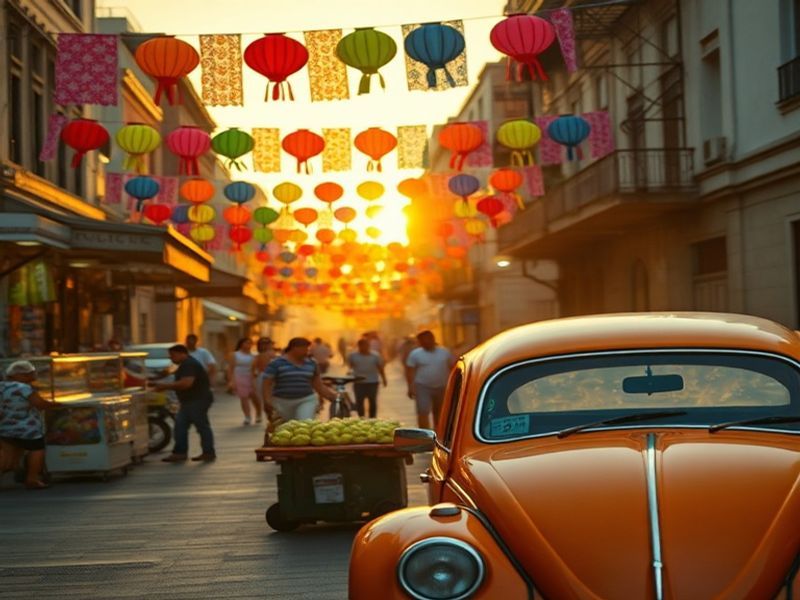
Mexico today is a nation in transition—balancing its past with its future, its traditions with its ambitions. It is a country where ancient ruins stand alongside skyscrapers, where indigenous languages are spoken in the same breath as English and Mandarin, where street food vendors serve dishes that are thousands of years old alongside molecular gastronomy creations.
Its global influence is undeniable. From the global reach of its cuisine to the impact of its artists, Mexico is not just participating in the world—it is shaping it. As the country navigates its challenges and opportunities, one thing is clear: Mexico’s story is far from over. It is still being written, and the world is watching.
Why Mexico Matters Now More Than Ever
In an era of globalization and rapid change, Mexico offers a model of resilience and adaptability. Its ability to preserve its heritage while embracing innovation makes it a case study for other nations grappling with similar transitions. For businesses, artists, and travelers alike, Mexico represents not just a destination, but a dynamic force driving the future.
As the country continues to evolve, its story serves as a reminder: progress does not require erasing the past. Instead, it is about building upon it. Mexico is doing just that—creating a future that honors its roots while reaching for the stars.
For those seeking inspiration, insight, or simply a deeper understanding of the world, Mexico offers an unparalleled journey. It is a place where every street, every dish, and every tradition tells a story—and where the next chapter is still being written.