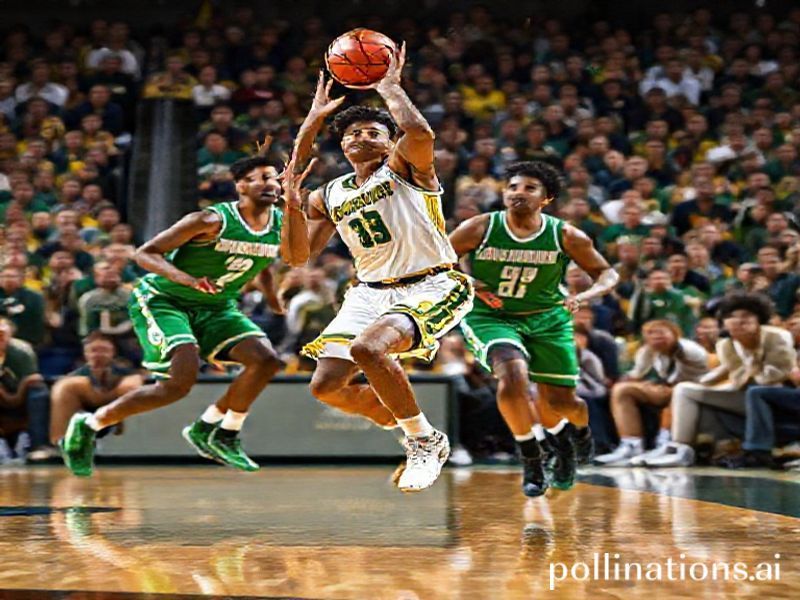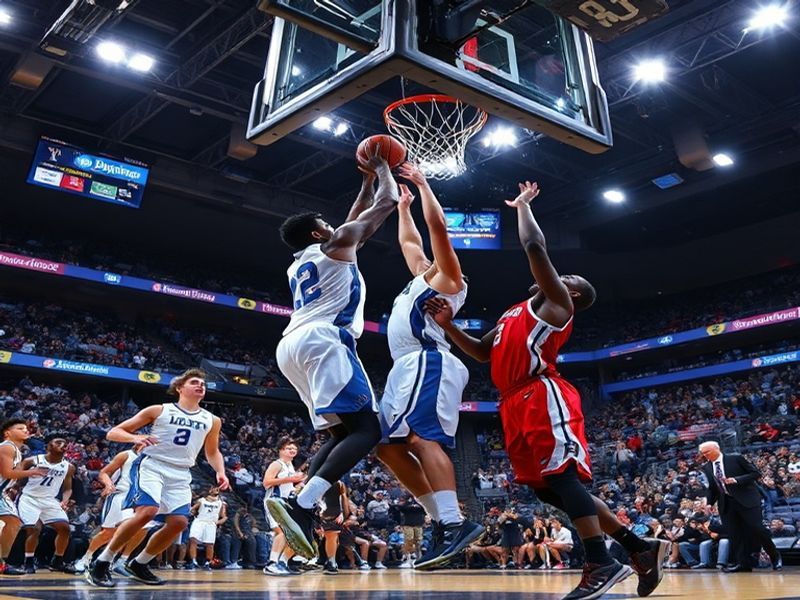
The NCAA Men’s Division III Basketball Championship isn’t just about the final score or the championship trophy. It’s a celebration of student-athletes balancing rigorous academic schedules with elite athletic performance. This tournament, often overshadowed by its Division I counterpart, offers a unique lens into the values of amateur sports within higher education.
Unlike the glitz and glamour of March Madness, Division III basketball thrives on something far more enduring: tradition. Schools like the University of Wisconsin-Whitewater and the Massachusetts Institute of Technology (MIT) have carved out legacies not through scholarship dollars but through consistent excellence and institutional pride. The championship game is less about scouts in suits and more about teams that represent the heart of college athletics.
The Global Influence of Division III Basketball
While Division I basketball dominates headlines with its high-flying plays and million-dollar contracts, Division III basketball quietly builds a global community. The championship draws international attention—not just from American fans but from educators and athletes worldwide who see the tournament as a model of how sports can complement education.
In countries like Canada, Germany, and Japan, Division III schools have become destinations for student-athletes seeking a balance between academics and athletics. The University of Toronto’s partnership with nearby Division III schools in the U.S. has created exchange programs where players train and compete in both systems. This cross-cultural exchange highlights how basketball, even at this level, fosters connections that transcend borders.
Even in regions where basketball isn’t the dominant sport, Division III teams have made surprising inroads. In Sweden, for example, several exchange students have returned home with newfound skills and perspectives after playing for Division III programs. The tournament serves as a bridge, connecting diverse basketball cultures under the banner of amateur sportsmanship.
How Division III Champions Are Made
Success in Division III basketball isn’t built on one-and-done talent or years of recruitment wars. It’s forged through meticulous planning, community support, and a commitment to the student-athlete experience. Coaches in this division often double as mentors, academic advisors, and even career counselors—roles that extend far beyond the court.
The path to the championship begins long before the opening tip. Programs like the one at the College of Wooster in Ohio emphasize a “whole student” approach, where players are encouraged to explore internships, research projects, and community service alongside their training. This philosophy isn’t just rhetoric; it’s reflected in the team’s performance. Wooster has appeared in multiple Final Fours, proving that academic rigor and athletic achievement can coexist.
Here’s what sets Division III champions apart:
- Academic Excellence: Players often carry course loads equivalent to pre-med or engineering majors while maintaining elite performance.
- Coaching Philosophy: Coaches prioritize player development over wins, often leading to long-term success.
- Alumni Networks: Graduates of Division III programs frequently return to mentor current players, creating a cycle of success.
- Community Ties: Local businesses sponsor teams, and fans—often friends and family of players—pack gyms for home games.
The Cultural Significance of Division III Basketball
For many small liberal arts colleges, the basketball team is more than a sports squad—it’s a cultural cornerstone. At schools like Amherst College or Wheaton College (Illinois), the basketball program embodies the institution’s values: discipline, teamwork, and intellectual curiosity. The championship game becomes a microcosm of these ideals, where players and fans alike celebrate what it means to be a scholar-athlete.
This cultural significance extends to the classroom as well. Division III athletes often lead study groups, organize campus events, and serve as role models for younger students. Their presence reinforces the idea that sports are a vehicle for personal growth, not just entertainment.
In an era where college sports are increasingly commercialized, Division III basketball offers a refreshing alternative. It’s a reminder that the essence of college athletics lies in the journey—the late-night study sessions, the road trips with teammates, and the pride of representing your school without the distraction of professional aspirations.
The Future of Division III Basketball
The NCAA Men’s Division III Basketball Championship faces both challenges and opportunities as it moves forward. One of the biggest hurdles is visibility. With limited media coverage compared to Division I, the tournament must find new ways to engage fans. Social media campaigns, live-streamed games, and partnerships with platforms like Dave’s Locker have helped bridge this gap, but there’s still work to be done.
Another challenge is adapting to the evolving expectations of student-athletes. As mental health awareness grows, programs are placing greater emphasis on player well-being. Coaches are incorporating sports psychologists into their staff, and teams are adopting mindfulness practices to manage stress. These changes reflect a broader shift in college sports, where the health of the athlete is prioritized alongside performance.
Yet, the future is bright for Division III basketball. The 2023 championship drew its highest TV ratings in a decade, signaling a growing appetite for authentic, unscripted sports narratives. As more fans seek alternatives to the spectacle of Division I, Division III basketball stands poised to fill that void.
For the players, the journey culminates in a single moment—the championship game. But for the fans, the legacy of Division III basketball endures. It’s a testament to the power of sport to unite communities, challenge conventions, and inspire the next generation of leaders.
Why This Tournament Matters
The NCAA Men’s Division III Basketball Championship is more than a sporting event; it’s a cultural touchstone. It challenges the notion that college sports must be defined by commercialism or spectacle. Instead, it champions the values of education, community, and amateurism.
As the tournament continues to evolve, its greatest strength remains unchanged: the student-athletes. These players embody the spirit of college basketball—where the love of the game is matched only by the pursuit of knowledge. And that’s a story worth celebrating.