San Marcos Fire: A Community’s Response and Recovery
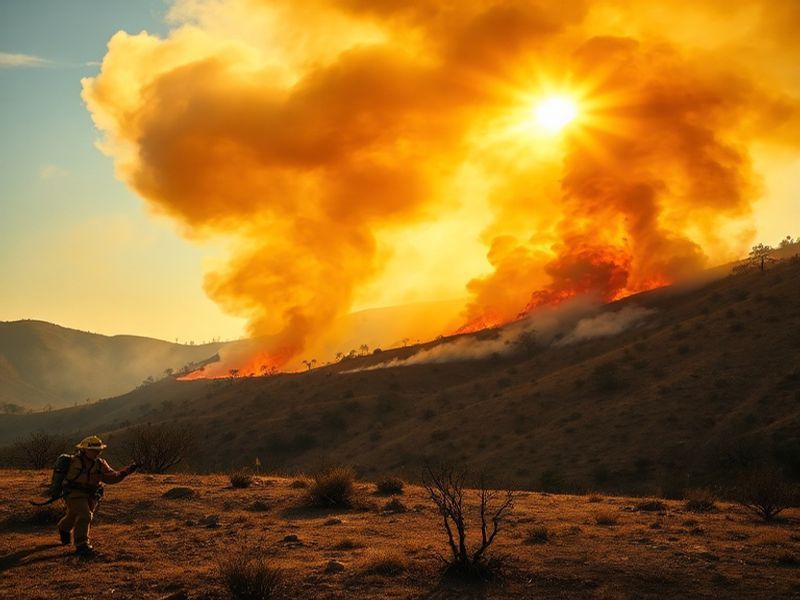
The San Marcos fire, which ignited on the afternoon of June 12, 2024, quickly escalated into one of the most significant wildfire events in Central Texas this year. Originating near the outskirts of San Marcos, the fire spread rapidly due to dry conditions and gusty winds, prompting immediate evacuations and drawing resources from multiple counties. Within hours, the blaze had consumed over 1,200 acres, threatening residential areas and critical infrastructure.
Firefighters from San Marcos, Hays County, and neighboring jurisdictions worked tirelessly to contain the flames. By the evening of June 13, containment efforts had reached 45%, with no reported injuries or fatalities. The community’s response was swift, with local organizations and volunteers stepping up to support evacuees and assist in recovery efforts. This event highlighted both the vulnerabilities and resilience of the San Marcos area in the face of natural disasters.
The Spark That Started It All
The San Marcos fire began near the intersection of FM 1979 and Wonder World Drive, an area known for its dry brush and proximity to both rural and suburban zones. Investigators have not yet confirmed the cause of the fire, though they have ruled out arson. The initial spark may have been linked to a discarded cigarette or a spark from a vehicle, a common ignition source in such conditions. Within minutes, the fire had jumped containment lines and began advancing toward populated areas.
Weather conditions played a significant role in the fire’s rapid spread. A heat advisory was in effect that day, with temperatures exceeding 100°F and relative humidity dropping below 20%. Winds gusting up to 25 mph fanned the flames, making it difficult for firefighters to gain control. These conditions are typical of Texas summers, underscoring the state’s growing wildfire risk during peak heat months.
Local authorities issued evacuation orders for neighborhoods in the fire’s path, including parts of the Hidden Valley subdivision and the Texas State University campus. Students and residents were urged to evacuate immediately, with emergency alerts sent via phone and social media. The evacuation process was orderly but stressful, with many families scrambling to secure pets and essential belongings before leaving.
Community and Emergency Response
The San Marcos Fire Department, alongside Hays County Emergency Management, coordinated a multi-agency response. Over 200 firefighters from 15 different departments were deployed, including units from Austin and San Antonio. Air support was critical, with two air tankers and three helicopters dropping retardant and water to slow the fire’s advance. The Texas A&M Forest Service also provided additional resources and expertise.
Local businesses and organizations quickly mobilized to aid evacuees. The San Marcos Activity Center was designated as an emergency shelter, providing food, water, and a place to rest for displaced residents. The San Marcos Food Bank distributed emergency supplies, while volunteers from churches and community groups offered transportation and temporary housing assistance. This collective effort demonstrated the strength of local networks in times of crisis.
Communication was a key challenge during the fire. While emergency alerts were sent out promptly, many residents reported difficulties receiving updates due to spotty cell service in rural areas. The city worked to improve communication by setting up a dedicated hotline and updating the official San Marcos Fire Department website with real-time information. Lessons learned from this event may lead to better communication strategies in future emergencies.
Environmental and Economic Impact
The San Marcos fire scorched approximately 1,250 acres, primarily affecting undeveloped land and rural properties. While no structures were destroyed, the ecological impact is significant. The area is home to diverse wildlife, including white-tailed deer, armadillos, and numerous bird species. The fire likely disrupted local ecosystems, though some native plants may benefit from the natural clearing of overgrown brush. Long-term studies will be needed to assess the full environmental effects.
Economically, the fire posed risks to nearby businesses, particularly those dependent on tourism. The Wonder World Park, a popular attraction in the area, temporarily closed during the fire. The closure impacted local tour operators and hospitality services, which rely on summer visitors. While the park reopened within a week, the incident served as a reminder of the fragility of the region’s tourism-dependent economy.
The fire also highlighted the importance of fire mitigation efforts in the region. San Marcos has been proactive in addressing wildfire risks through controlled burns and vegetation management. However, experts suggest that more could be done to reduce fuel loads in high-risk areas. The city is now reviewing its wildfire preparedness plans to incorporate lessons learned from this event.
Lessons for the Future
The San Marcos fire is a stark reminder of the increasing wildfire threats in Central Texas. As climate change intensifies, the region faces longer fire seasons and more extreme conditions. Local authorities are considering several measures to enhance preparedness, including:
- Expanding public education campaigns on fire safety and evacuation procedures.
- Increasing investment in firefighting equipment, such as additional air tankers and drones for surveillance.
- Strengthening inter-agency coordination to streamline response efforts during large-scale emergencies.
- Implementing stricter building codes for structures in high-risk wildfire zones.
The recovery process will take time, but the community has already shown remarkable resilience. For those affected, resources such as the San Marcos News and the Local Analysis sections on Dave’s Locker provide ongoing updates and recovery tips. As San Marcos moves forward, the lessons from this fire will shape its approach to wildfire prevention and emergency response for years to come.
Conclusion
The San Marcos fire was a wake-up call for the community, revealing both vulnerabilities and strengths in the face of natural disasters. While the immediate threat has passed, the work of recovery and prevention is just beginning. By learning from this event and implementing proactive measures, San Marcos can better prepare for future challenges. The resilience of the community, combined with coordinated emergency efforts, offers hope for a safer and more prepared future.
As Texas continues to grapple with the impacts of climate change, incidents like the San Marcos fire underscore the need for vigilance, preparedness, and community engagement. The lessons learned here will not only benefit San Marcos but also serve as a model for other regions facing similar risks.