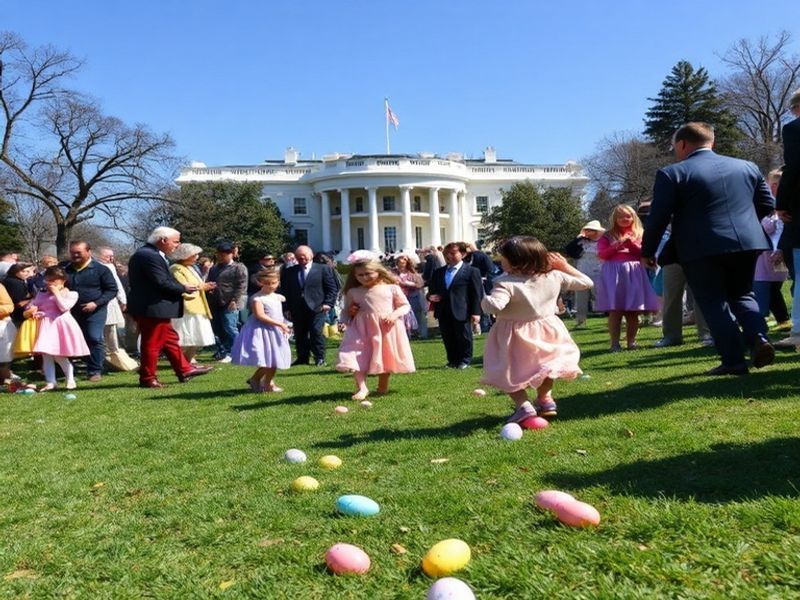
The White House Easter Egg Roll stands as one of the most enduring and cherished traditions in American civic life. Dating back to 1878, this annual event transforms the South Lawn of the White House into a vibrant playground for children and families each Easter Monday. While its origins remain modest—some accounts suggest it began with President Rutherford B. Hayes—it has since evolved into a carefully orchestrated celebration that blends presidential hospitality with wholesome family entertainment.
What began as a small gathering of local children rolling eggs has grown into a massive public event attended by tens of thousands. Today, the Easter Egg Roll features live music, storytelling, sports courts, and, of course, the iconic egg rolling on the South Lawn’s famed slope. It is a rare moment when the White House opens its doors—metaphorically—to the public, embodying a spirit of inclusivity and tradition that resonates across generations.
The History: From Modest Beginnings to National Celebration
The first White House Easter Egg Roll is said to have occurred in 1878 under President Hayes, though informal egg rolling on the Capitol grounds had taken place earlier. After Congress banned the activity on Capitol Hill in 1876 due to concerns over property damage, children turned to the White House lawn—then more open and accessible. Hayes, recognizing the event’s growing popularity, officially welcomed the children, setting a precedent that every president since has honored, with only two exceptions.
In 1943 and 1944, the event was canceled due to World War II and wartime rationing. Woodrow Wilson’s second term also saw a brief interruption in 1917, when the event was held indoors due to inclement weather. Otherwise, the tradition has persisted uninterrupted, surviving economic downturns, wartime, and political transitions, making it one of the oldest continuous public ceremonies in Washington, D.C.
By the mid-20th century, the event had expanded significantly. President Eisenhower added musical performances, and President Reagan introduced the now-signature egg roll race. The use of wooden eggs gave way to plastic and later decorated eggs, which became keepsakes for attendees. Today, each administration puts its own stamp on the event, from themed decorations to celebrity appearances, reflecting both continuity and innovation.
What to Expect: Activities and Traditions
The White House Easter Egg Roll is more than just egg rolling—it’s a full day of activities designed to engage children and families. The event typically runs from morning until early afternoon and includes a mix of structured and free-form fun. Here’s what attendees can look forward to:
- Egg Rolling: The centerpiece of the event, where children race their decorated eggs down the South Lawn slope using wooden spoons. The slope itself has become iconic, though its exact location has shifted slightly over the years.
- Storytime and Arts & Crafts: Stages across the lawn host readings by authors and celebrities, while activity tents offer coloring, egg decorating, and craft stations.
- Sports and Games: Temporary basketball courts, hopscotch grids, and other games encourage physical activity. The “Eggtivity Zone” often includes obstacle courses and sack races.
- Live Performances: Musicians, dancers, and performers take the stage, ranging from military bands to nationally known artists. Past acts have included The Muppets, Big Bird, and local choirs.
- The White House Easter Egg Hunt: A newer addition, this scavenger hunt sends children in search of hidden eggs and small prizes around the grounds.
Tickets are required and distributed through a lottery system due to overwhelming demand. Registration opens weeks in advance, with a strict limit of six tickets per family. The process, while competitive, ensures fair access and prevents scalping, maintaining the event’s community spirit.
Food is also a key part of the experience. The White House lawn hosts food trucks and vendors offering everything from ice cream to fresh fruit. While families are welcome to bring their own picnic baskets, the on-site options provide convenient sustenance after hours of play.
Symbolism and Significance in American Culture
The Easter Egg Roll holds symbolic weight beyond its festive atmosphere. It represents a rare moment of public access to the White House, a symbol of democracy and openness. Unlike other presidential events that may feel exclusive or ceremonial, the Easter Egg Roll is intentionally accessible, inviting Americans of all backgrounds to participate in a shared national ritual.
It also serves as a bridge between generations. Parents who attended as children often bring their own kids, creating a sense of continuity and shared memory. The event’s longevity—over 140 years—makes it a living link to America’s past, connecting modern families with the customs of the 19th century.
Moreover, the Easter Egg Roll has adapted to reflect contemporary values. In recent years, themes have emphasized sustainability, diversity, and inclusion. For example, the 2023 event highlighted conservation efforts, with activities tied to environmental stewardship. This evolution ensures the tradition remains relevant to new generations while honoring its roots.
It’s also a moment of soft power. The event attracts international media attention, showcasing American culture, hospitality, and family values to a global audience. The images of children rolling eggs on the White House lawn circulate worldwide, reinforcing the idea of America as a welcoming and joyful nation.
Tips for Attending and Staying Informed
For those hoping to attend the White House Easter Egg Roll, preparation is key. The lottery system opens several weeks before Easter, typically in February or March, and tickets are announced in early April. The White House website provides detailed instructions, including eligibility requirements and frequently asked questions.
Attendees are advised to arrive early. Security checks resemble those at airports, and lines can be long. Comfortable shoes are essential—expect to walk on grass and stand for extended periods. The event is rain or shine, so checking the weather forecast and dressing accordingly is important.
For those who don’t secure tickets, there are still ways to participate. Local communities across the country host their own Easter egg rolls, many of which are free and open to the public. These events often draw hundreds of children and offer a smaller-scale version of the White House experience. You can find listings through local parks departments or community centers.
Staying informed about the event’s theme, performers, and special guests is easier than ever. The White House releases a daily schedule and activity map each year, and social media platforms like Twitter and Instagram provide real-time updates. Following the White House’s official channels ensures you won’t miss important announcements.
Conclusion: A Tradition That Endures
The White House Easter Egg Roll is more than a holiday pastime—it is a living tradition that embodies the spirit of community, resilience, and national identity. In an era of rapid change, it offers a rare constant: a day when children and families gather on the South Lawn to celebrate spring, creativity, and togetherness.
As it enters its second century and a half, the event continues to evolve, embracing new values while preserving its core purpose. Whether through the laughter of children rolling eggs or the sight of families picnicking under historic trees, the Easter Egg Roll remains a testament to the enduring power of tradition in American life.
For those who attend, it’s a memory to cherish. For those who follow from afar, it’s a reminder of the simple joys that unite us all—one painted egg at a time.