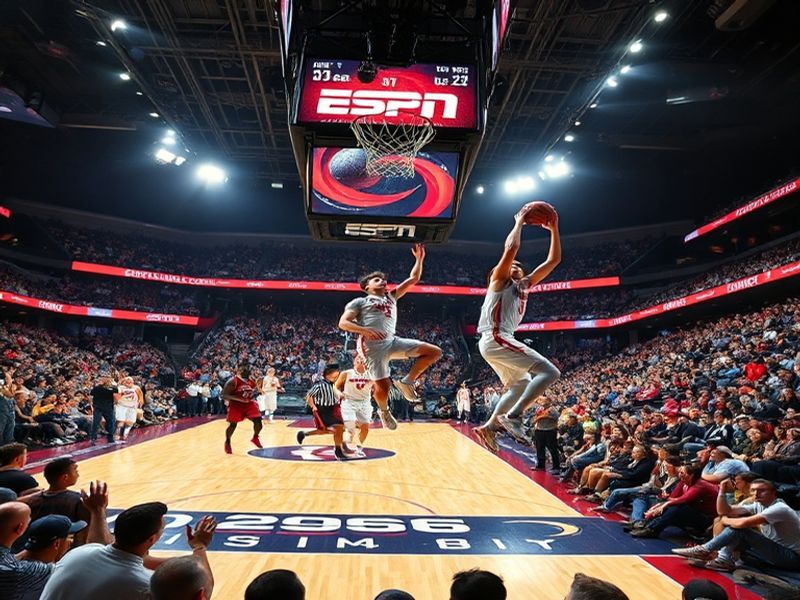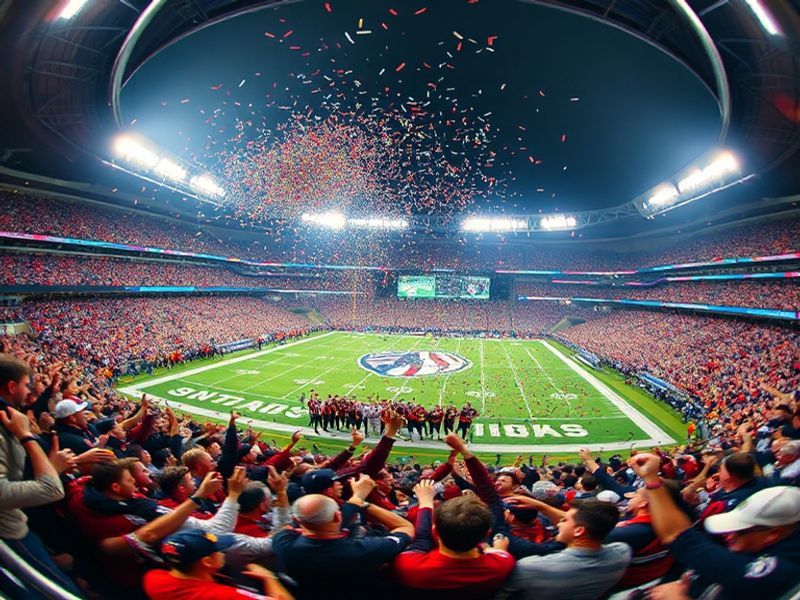
The pursuit of a national championship transcends borders and cultures, uniting nations behind a single goal. Whether in sports, academics, or the arts, these competitions serve as more than just contests—they become defining moments for communities, athletes, and entire countries. The emotional investment from fans, the pressure on competitors, and the cultural narratives that emerge make these events a fascinating study in human ambition and collective identity.
The Cultural Significance of National Championships
National championships are deeply embedded in the social fabric of many societies. In countries like the United States, college football’s national championship isn’t just a sporting event; it’s a ritual that shapes regional pride and economic activity. Similarly, in India, cricket’s IPL and international tournaments like the ICC World Cup evoke a level of national unity rarely seen elsewhere. These events often reflect historical rivalries, colonial legacies, or even geopolitical tensions, turning athletic competition into a proxy for broader national narratives.
In Europe, football (soccer) championships such as the UEFA European Championship or domestic leagues like England’s Premier League are cultural cornerstones. Clubs like Real Madrid or Manchester United aren’t just teams—they represent regional identities, class struggles, and even political affiliations. The passion of fans, from the terraces of Buenos Aires to the pubs of London, demonstrates how these championships become intertwined with personal and collective histories.
More Than Just a Trophy
Winning a national championship often carries symbolic weight far beyond the trophy itself. In Japan, the annual high school baseball tournament, known as “Koshien,” is a rite of passage for young athletes and a nationwide spectacle. The event is broadcast live, and communities rally behind their local teams, with players often becoming national icons overnight. The pressure to perform isn’t just about athletic skill—it’s about national pride and the weight of expectations from family, teachers, and peers.
In South Korea, the national baseball league’s Korean Series and the KBO League have surged in popularity, reflecting the country’s rapid modernization and global cultural influence. Success in these championships isn’t just celebrated in sports sections—it’s front-page news, a testament to how deeply these events are woven into the national consciousness.
The Economic and Social Impact
The ripple effects of a national championship extend beyond the field, court, or stage. Host cities often experience a tourism boom, with fans traveling from across the country to attend games or performances. Local businesses thrive during these periods, as hotels, restaurants, and retailers see increased foot traffic. For example, when Argentina won the FIFA World Cup in 2022, Buenos Aires erupted in celebration, with an estimated economic boost of over $200 million from tourism and merchandise sales.
Education systems also feel the impact. In the United States, high school football championships draw thousands of spectators and generate millions in revenue for schools. These events can influence college recruitment, local funding for sports programs, and even the prestige of entire school districts. Similarly, in countries like Australia, the annual NRL (National Rugby League) Grand Final is a major economic driver, with the 2023 event contributing an estimated $100 million to Sydney’s economy.
A Platform for Social Change
National championships also serve as stages for social and political statements. Athletes and performers use these platforms to highlight issues like racial inequality, gender discrimination, or economic disparity. Colin Kaepernick’s kneeling during the U.S. national anthem in 2016 sparked global conversations about police brutality and racial justice. Similarly, the 2020 NBA playoffs became a focal point for the Black Lives Matter movement, with players wearing social justice messages on their jerseys and using their platforms to advocate for change.
In esports, championships like The International (Dota 2) or the League of Legends World Championship have grown into cultural phenomena, with prize pools exceeding $40 million. These events aren’t just about gaming—they’re about representation, with teams and players from regions like Southeast Asia and Latin America gaining global recognition. The success of these championships has even influenced education, with universities now offering esports scholarships and programs.
The Psychology Behind the Chase
The allure of a national championship lies in its ability to evoke deep emotional responses. For athletes and performers, the pressure to perform under the national spotlight can be both exhilarating and daunting. The weight of representing an entire country adds an extra layer of intensity to competition, turning every match, game, or performance into a high-stakes drama.
Psychologists often point to the concept of “social identity theory,” which suggests that people derive a sense of self-worth from the groups they belong to—including their nation. When a national team or individual represents the country, fans vicariously experience the highs and lows of competition, fostering a shared emotional journey. This psychological bond is why national championships often feel more personal than club-level competitions.
The Role of Media and Technology
The global reach of national championships has been amplified by media and technology. Live broadcasts, streaming platforms, and social media have turned these events into 24/7 spectacles. In 2023, the FIFA Women’s World Cup final between Spain and England drew over 11 million viewers in the U.S. alone, a record for women’s soccer in the country. Meanwhile, platforms like Twitch and YouTube have made esports championships accessible to millions of viewers worldwide, democratizing the way people engage with these events.
Social media has also changed the dynamics of fan engagement. Hashtags, memes, and viral moments now spread faster than ever, creating a digital echo chamber around national championships. For example, during the 2022 Winter Olympics, the hashtag #FigureSkating became a trending topic as fans debated the results of the women’s singles competition, showcasing how digital spaces amplify the cultural impact of these events.
Looking Ahead: The Future of National Championships
As the world becomes more interconnected, the nature of national championships is evolving. Esports, virtual reality, and even AI-driven competitions are beginning to challenge traditional models of national representation. The Olympic Games, for instance, have started to include mixed-nationality teams and virtual sports, reflecting the changing landscape of global competition.
Yet, despite these changes, the core appeal of national championships remains unchanged. They continue to serve as a unifying force, a platform for excellence, and a stage for storytelling. Whether it’s a football team lifting a trophy, a student winning a national debate championship, or a musician taking home a prestigious award, these moments capture the imagination of nations and leave lasting legacies.
As we look to the future, one thing is certain: the obsession with national championships will endure. They are more than just competitions—they are celebrations of human potential, cultural identity, and the shared dreams of millions.
Key Takeaways
- Cultural Identity: National championships reinforce regional pride and collective identity, often becoming intertwined with historical and political narratives.
- Economic Impact: Host cities and regions benefit from increased tourism, business revenue, and media attention during championship events.
- Social Platforms: These events provide opportunities for athletes and performers to advocate for social change and raise awareness about pressing issues.
- Psychological Appeal: The pressure to represent a nation adds an extra layer of intensity, fostering deep emotional connections between competitors and fans.
- Technological Influence: Media and technology have expanded the reach of national championships, making them more accessible and interactive than ever before.