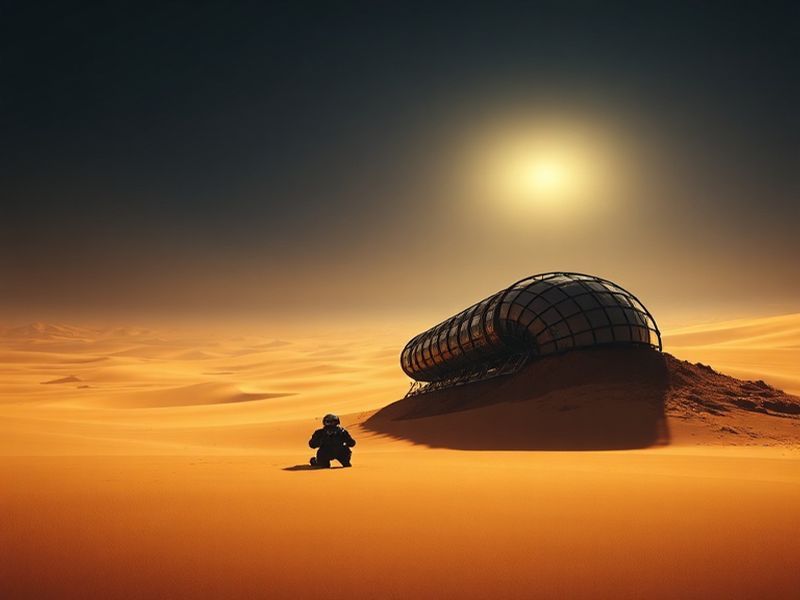
The highly anticipated conclusion to Denis Villeneuve’s Dune saga, Dune: Part Three, is set to bring audiences back to the desert planet of Arrakis. With its sweeping visuals and immersive sound design, the film is expected to deliver an unparalleled cinematic experience—especially for those watching on IMAX 70mm film. As excitement builds, securing tickets for this format has become a priority for film enthusiasts and collectors alike.
The Significance of IMAX 70mm for Dune: Part Three
IMAX 70mm film remains one of the most coveted formats in cinema, offering a level of detail and immersion that digital projection often cannot match. For Dune: Part Three, this format is particularly important because Villeneuve has emphasized the importance of preserving the film’s visual grandeur in its intended presentation. The vast, otherworldly landscapes of Arrakis are meant to envelop the audience, and the 70mm experience heightens that effect.
According to IMAX Corporation, only a limited number of theaters worldwide are equipped to screen 70mm film. This scarcity makes securing tickets for Dune: Part Three in this format a competitive endeavor. Fans are not just buying a ticket; they’re investing in a piece of cinematic history, as 70mm screenings are becoming increasingly rare in the modern era of digital projection.
How to Secure IMAX 70mm Tickets for Dune: Part Three
Given the demand for this format, here’s a step-by-step guide to maximizing your chances of securing tickets:
- Check IMAX Theater Availability: Use the IMAX Theater Locator to find theaters equipped for 70mm screenings. Not all IMAX locations support film, so verify before attempting to book.
- Sign Up for Alerts: Many theaters and ticketing platforms offer email or SMS alerts for new screenings. Set up notifications on websites like Fandango or Atom Tickets to stay ahead of the rush.
- Be Prepared to Act Fast: Tickets for 70mm screenings will likely sell out within hours of release. Have your payment information ready and refresh the page frequently for cancellations or newly added showtimes.
- Consider Alternative Formats: If 70mm tickets prove impossible to secure, premium large-format (PLF) or standard IMAX digital screenings are still excellent alternatives. These formats retain much of the immersive experience without the film’s unique texture.
- Check for Fan Screenings or Special Events: Some theaters host exclusive Dune: Part Three events, such as Q&As or marathons, which may include 70mm screenings. Follow IMAX and theater social media accounts for updates.
Pro tip: Some theaters release tickets in waves, so if your first attempt fails, keep checking back. Scalpers may also list tickets at inflated prices, but purchasing from reputable sources is always recommended to avoid counterfeit tickets.
The Broader Implications of 70mm Film in Modern Cinema
The resurgence of 70mm film for major releases like Dune: Part Three reflects a growing appreciation for analog filmmaking in an increasingly digital world. While digital projection dominates multiplexes, directors like Villeneuve, Christopher Nolan, and Quentin Tarantino continue to advocate for film as the preferred medium for their work. This trend isn’t just about nostalgia; it’s about preserving a specific artistic vision.
70mm film offers several advantages over digital projection. The resolution of 70mm film is roughly equivalent to 18K digital, providing unparalleled clarity and depth. Additionally, the organic grain and subtle color grading of film create a warmth and texture that digital often lacks. For a film as visually ambitious as Dune: Part Three, these qualities are essential in conveying the epic scale of Villeneuve’s vision.
However, the decline of 70mm film projection presents challenges. The number of theaters equipped to handle film has dwindled over the decades, and training new projectionists is a slow process. The cost of maintaining film prints and projectors is also prohibitive for many venues. Despite these hurdles, the demand for 70mm screenings suggests that audiences are willing to support this format—if given the opportunity.
Why Dune: Part Three Matters Beyond the Theater
Dune: Part Three is more than just the final chapter in a beloved franchise; it’s a cultural touchstone that bridges the gap between blockbuster filmmaking and arthouse cinema. Villeneuve’s adaptation has been praised for its fidelity to Frank Herbert’s source material, balancing spectacle with philosophical depth. The decision to screen it in 70mm film underscores the film’s ambition and the director’s commitment to an immersive experience.
For collectors and cinephiles, owning a ticket to a 70mm screening is akin to owning a piece of film history. It’s a chance to witness a dying art form in the context of one of the most anticipated films of the year. Even if you’re not a die-hard fan, the opportunity to see Dune: Part Three in its purest form is a compelling reason to seek out this format.
In an era where streaming dominates, the theatrical experience remains a vital part of cinema’s ecosystem. Films like Dune: Part Three remind us that movies are not just content to be consumed at home; they are events meant to be shared, celebrated, and experienced in a communal setting. The 70mm format elevates this experience, making it a must-see for anyone who values the art of filmmaking.
Final Thoughts: Don’t Miss Your Chance
As Dune: Part Three approaches its release date, the race for IMAX 70mm tickets is on. Whether you’re a lifelong fan of the franchise or a newcomer drawn to the spectacle of Villeneuve’s vision, securing a ticket for this format is an investment in a rare and unforgettable experience. Keep an eye on official IMAX channels and theater websites, and don’t hesitate to act quickly when tickets become available.
If you’re unable to secure 70mm tickets, remember that Dune: Part Three will still deliver an incredible experience in other premium formats. The film’s visual and narrative ambition ensures that it will be a standout release. But for those who crave the full cinematic experience, the 70mm screening is an opportunity not to be missed.