The Evolution of Amazon and USPS Collaboration
The partnership between Amazon and the United States Postal Service (USPS) represents one of the most significant logistics collaborations in modern e-commerce history. What began as a straightforward shipping arrangement has evolved into a complex, high-stakes relationship that reshapes how packages move across the country—and increasingly, the world.
Amazon’s growth from an online bookstore to a global retail empire necessitated a delivery infrastructure capable of handling millions of orders daily. The USPS, a 247-year-old government agency, found itself at the heart of this transformation. While private carriers like UPS and FedEx dominated the premium shipping market, the USPS offered something unique: unparalleled reach, including rural and remote areas where other carriers hesitated to venture.
The Origins of the Partnership
Amazon’s relationship with USPS dates back to 2013, when the e-commerce giant launched its “Sunday Delivery” service. This initiative allowed Amazon Prime members to receive packages on Sundays—a service previously unavailable through major carriers. The move was a strategic response to customer demand for faster, more flexible delivery options.
By 2014, Amazon and USPS formalized their collaboration through the “Amazon Sunday Delivery” program. This agreement enabled USPS to transport Amazon packages on Sundays, leveraging the postal service’s existing infrastructure. The partnership was not just about delivery times; it was about efficiency. USPS trucks, which often returned from urban deliveries half-empty, could now carry Amazon packages on their return trips, optimizing routes and reducing waste.
Logistics Innovation and Cost Efficiency
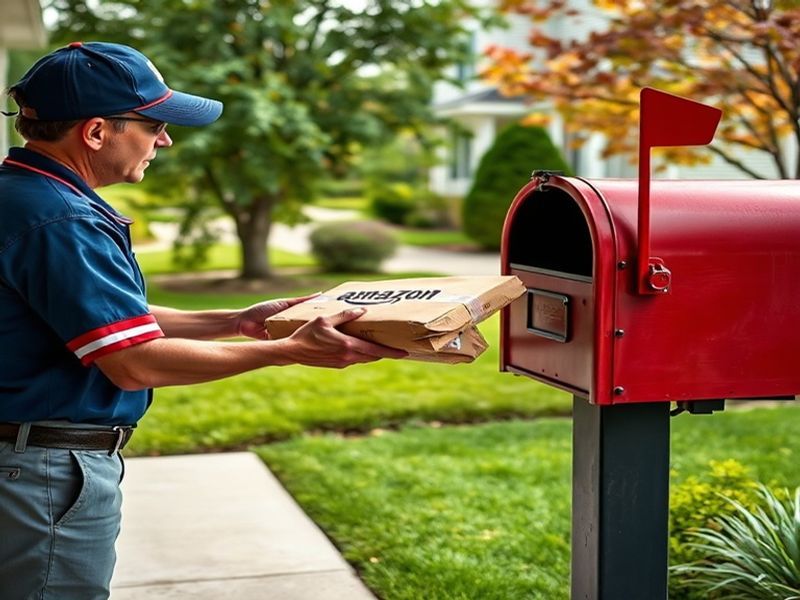
The Amazon-USPS deal introduced several innovations that redefined package delivery. One of the most notable was the “last-mile delivery” model, where USPS handled the final leg of the journey—delivering packages directly to customers’ doorsteps. This approach allowed Amazon to focus on warehousing and order fulfillment while relying on USPS for the final step.
For USPS, the partnership was a lifeline amid financial struggles. The agency, burdened by pension obligations and declining mail volumes, saw Amazon’s volume as a financial lifeline. In 2020 alone, USPS delivered over 2.5 billion Amazon packages, generating billions in revenue for the postal service. This income helped offset losses from declining first-class mail services.
The Global Ripple Effect
The Amazon-USPS collaboration has had far-reaching implications beyond the United States. As Amazon expanded globally, it sought partners capable of replicating the USPS model in other countries. In Europe, for example, Amazon partnered with national postal services like Germany’s Deutsche Post and France’s La Poste to achieve similar efficiencies.
In India, Amazon leveraged the India Post network to reach remote villages, a strategy that helped the company dominate the Indian e-commerce market. These international partnerships highlight a broader trend: the blending of public postal infrastructure with private sector logistics to create hybrid delivery ecosystems.
Controversies and Challenges
Despite its successes, the Amazon-USPS partnership has faced significant scrutiny. Critics argue that the deal unfairly subsidizes Amazon’s operations. A 2019 report by the USPS Inspector General found that Amazon paid below-market rates for shipping services, effectively receiving a discount that competitors did not enjoy. This raised questions about whether the partnership distorted competition in the logistics industry.
Labor unions, including the American Postal Workers Union (APWU), have also raised concerns. The influx of Amazon packages has led to increased workloads for postal workers, who already face grueling schedules and understaffing issues. Some argue that the partnership prioritizes efficiency over worker welfare, exacerbating labor shortages and burnout.
The Impact on Competing Carriers
The rise of Amazon-USPS collaboration has disrupted the traditional delivery market. UPS and FedEx, once dominant players, have seen their market share erode as Amazon internalizes more of its logistics operations. In response, these carriers have pivoted toward high-value, time-sensitive deliveries, leaving the lower-margin, high-volume ground shipping to USPS.
This shift has forced competitors to innovate. FedEx, for instance, acquired ShopRunner in 2020 to compete with Amazon Prime’s free shipping benefits. Meanwhile, UPS has invested heavily in automation and AI-driven logistics to stay competitive.
Cultural Shifts in Consumer Expectations
The Amazon-USPS partnership has also redefined consumer expectations around delivery speed and convenience. Same-day and next-day deliveries, once considered luxuries, are now standard expectations. This shift has pressured retailers across industries to adapt, leading to the rise of micro-fulfillment centers and drone delivery experiments.
In urban centers, the demand for ultra-fast delivery has given rise to gig economy delivery platforms like DoorDash and Instacart, which rely on similar last-mile logistics models. The cultural embrace of instant gratification in e-commerce can be traced, in part, to the efficiencies introduced by the Amazon-USPS collaboration.
Looking Ahead: The Future of the Partnership
The Amazon-USPS relationship is poised for further evolution as both organizations adapt to changing market dynamics. One potential development is the expansion of Sunday and holiday delivery services, particularly during peak shopping seasons like Black Friday and Cyber Monday. The 2023 holiday season saw USPS deliver over 200 million packages in December alone, a testament to the partnership’s scale.
Another area of growth is sustainability. Both Amazon and USPS have committed to reducing their carbon footprints. Amazon’s Climate Pledge aims for net-zero carbon by 2040, while USPS has introduced electric delivery vehicles and alternative fuel initiatives. The partnership could play a crucial role in achieving these goals by optimizing routes and reducing empty miles.
Potential Regulatory Hurdles
As the partnership grows, so does the potential for regulatory scrutiny. Lawmakers have raised concerns about antitrust violations, particularly as Amazon continues to dominate multiple sectors, including logistics. The Federal Trade Commission (FTC) has already taken steps to investigate Amazon’s business practices, and any findings could impact the terms of the USPS deal.
Additionally, labor advocates are pushing for better working conditions and fair compensation for postal workers handling Amazon packages. The outcome of these negotiations could determine whether the partnership remains sustainable in the long term.
Global Expansion and Local Adaptations
Looking beyond the U.S., the Amazon-USPS model is being adapted to fit local contexts. In Japan, Amazon partners with Japan Post to deliver packages in densely populated urban areas, while in Brazil, the collaboration has improved delivery speeds in remote regions. These adaptations demonstrate the flexibility of the hybrid logistics model.
However, cultural and regulatory differences present challenges. In some European countries, strict labor laws and environmental regulations limit the extent to which Amazon can integrate with national postal services. These variations highlight the need for localized strategies in global logistics.
Conclusion
The Amazon-USPS partnership is more than a business arrangement; it is a case study in how public and private sectors can collaborate to redefine an industry. From its humble beginnings as a Sunday delivery service to its current role in shaping global logistics, the partnership has demonstrated the power of innovation, efficiency, and adaptability.
Yet, challenges remain. As Amazon continues to expand and USPS navigates financial pressures, the long-term sustainability of this collaboration will depend on balancing efficiency with fairness. For consumers, the benefits are clear: faster deliveries, broader reach, and greater convenience. For the industry, the partnership serves as both a blueprint and a cautionary tale about the evolving nature of logistics in the digital age.
One thing is certain: the Amazon-USPS deal has left an indelible mark on the way the world receives packages—and its influence will only grow in the years to come.