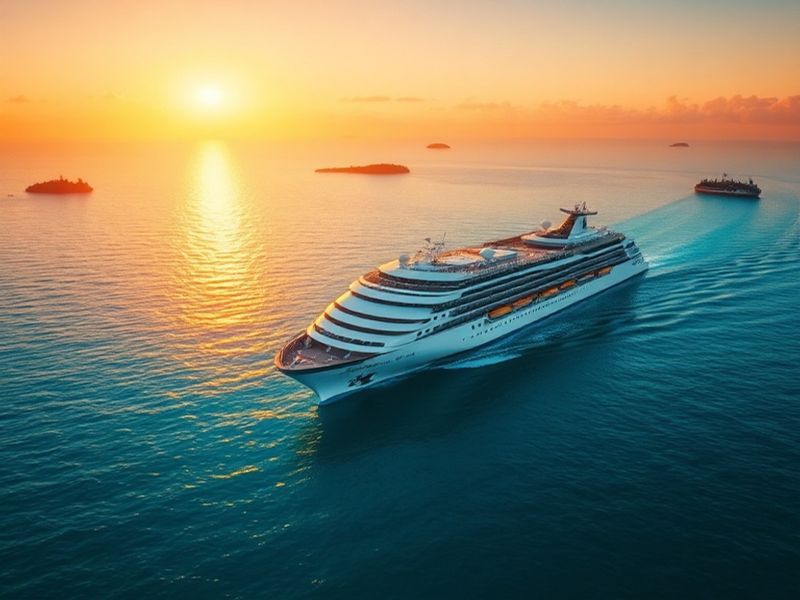
From the deck of the earliest transatlantic liners to today’s floating cities, cruise ships have evolved from mere transportation to destinations themselves. The modern cruise industry generates over $150 billion annually, reshaping coastal economies and redefining leisure travel across continents. This transformation reflects broader shifts in tourism, technology, and cultural priorities.
The Rise of the Cruise as a Destination
Cruising today is less about getting from point A to B and more about the journey itself. The largest ships now carry over 6,000 passengers and feature amenities like roller coasters, Broadway-style theaters, and even ice-skating rinks. This shift began in the 1970s with the introduction of purpose-built cruise ships, moving away from converted ocean liners. Royal Caribbean’s Icon of the Seas, launched in 2024, symbolizes this evolution—boasting eight distinct neighborhoods, including the world’s first suspended infinity pool.
Cultural tastes have played a significant role in this growth. In Asia, cruise travel has surged by 30% annually since 2010, driven by rising middle-class incomes and the popularity of short, affordable itineraries. Meanwhile, in Europe, historic ports like Venice and Barcelona now balance tourism revenue with environmental and cultural preservation concerns. The Mediterranean remains the most popular region, but new routes are emerging in the Arctic, Antarctica, and even the Amazon, catering to travelers seeking unique ecosystems.
Key Factors Driving the Cruise Boom
- All-inclusive pricing: Passengers increasingly prefer predictable costs. Cruise lines have responded with bundled packages that cover meals, entertainment, and even Wi-Fi, making vacations easier to budget.
- Family-friendly design: Ships now cater to all ages. Royal Caribbean’s Symphony of the Seas includes a dedicated kids’ zone with augmented reality games and a nursery for infants.
- Sustainability initiatives: With growing scrutiny over emissions and waste, companies like Hurtigruten and MSC are investing in liquefied natural gas (LNG) propulsion and zero-plastic policies.
- Digital connectivity: High-speed internet at sea enables remote work and social media sharing, attracting younger cruisers who still want to stay connected.
Cultural Exchange on the High Seas
Cruises are microcosms of globalization. A single voyage can host guests from 60+ countries, with crew members often hailing from the Philippines, Indonesia, or Eastern Europe. This creates a unique cultural exchange where passengers experience world music, cuisine, and traditions without leaving the ship. Norwegian Cruise Line, for example, offers “Taste of the Mediterranean” dinners featuring authentic dishes prepared by international chefs.
Yet, this cultural fusion is not without tension. In 2023, a viral video of a passenger complaining about the smell of curry on deck highlighted broader issues of cultural insensitivity. Cruise lines have since introduced sensitivity training and more inclusive dining options. The industry also faces criticism for its impact on local communities. In the Caribbean, ports like Nassau and Cozumel are overwhelmed during peak season, leading to calls for smaller, more sustainable ships.
Cruise Ships as Floating Cities
The scale of modern cruise ships rivals small cities. The Wonder of the Seas, for instance, spans 18 decks and includes 20 restaurants, 4 pools, and a 1,400-seat theater. These vessels are engineering marvels, with advanced wastewater treatment systems and redundant power sources for safety. Some, like Virgin Voyages’ Scarlet Lady, even incorporate biophilic design—using natural materials and open-air spaces to reduce stress.
This urbanization of the sea has implications beyond tourism. During the COVID-19 pandemic, cruise ships became symbols of vulnerability, with outbreaks on board sparking global debates about public health protocols. The industry’s response—improved medical facilities and stricter vaccination policies—has since become a model for other sectors. Carnival Corporation now operates a fleet of ships equipped with telemedicine capabilities and ICU units.
The Future: Smaller, Smarter, and Greener
The next frontier for cruising lies in sustainability and technology. Hurtigruten’s Fram expedition ship uses hybrid propulsion to reduce emissions by 20%. Meanwhile, companies like Silversea are testing hydrogen-powered engines for future vessels. On the tech front, Royal Caribbean has partnered with Microsoft to integrate AI-driven personalization, from customized shore excursions to in-cabin recommendations.
Another trend is the rise of expedition cruises. Unlike traditional cruise lines, expedition ships like Lindblad’s National Geographic Endurance focus on remote destinations such as the Northwest Passage or Patagonia. These voyages attract adventure seekers and scientists alike, blending tourism with research and conservation efforts.
What’s Next for Cruise Travel?
- Decarbonization: By 2030, the industry aims to cut carbon emissions by 40% compared to 2008 levels, with goals of net-zero by 2050.
- Regional expansion: New markets in Africa, the Middle East, and South America are emerging as cruise lines seek untapped destinations.
- Personalization: AI and big data will enable hyper-personalized experiences, from dietary-specific menus to itinerary adjustments based on passenger mood.
- Cultural immersion: Ships are increasingly partnering with local artisans and chefs to offer authentic experiences, from cooking classes in Santorini to music workshops in Havana.
The cruise industry’s future hinges on balancing growth with responsibility. As ships grow larger and routes more ambitious, the pressure to minimize environmental and cultural harm will intensify. Yet, the appeal of cruising remains undeniable—it offers a rare blend of adventure, luxury, and connection. Whether it’s a family vacation in the Caribbean or a scientific expedition to Antarctica, the cruise ship continues to redefine what it means to travel the world.
For those seeking inspiration, exploring cruise itineraries can reveal hidden gems. From the fjords of Norway to the temples of Bali, the world’s most breathtaking destinations are often best experienced from the deck of a ship. As technology and sustainability efforts advance, the cruise industry may yet prove that the journey is just as important as the destination.