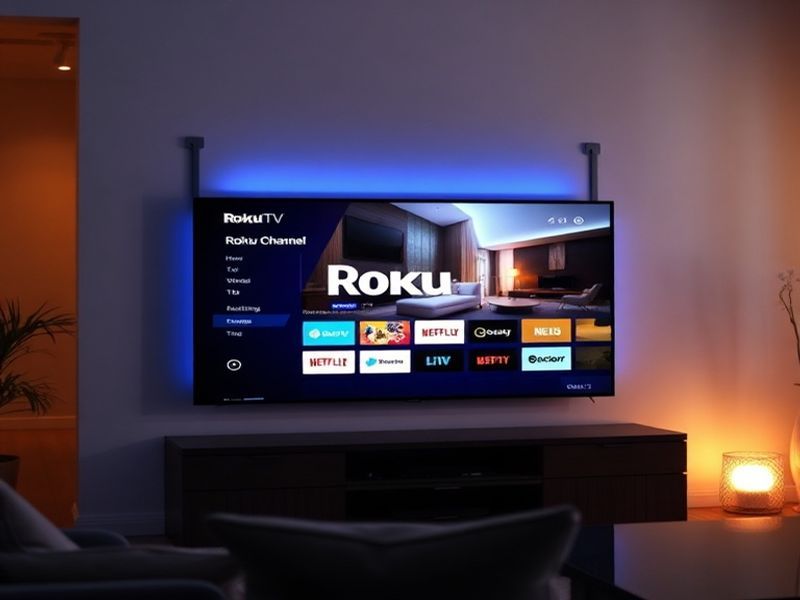
The Roku Channel’s Unexpected Rise in the Streaming Wars
The Roku Channel has quietly evolved from a peripheral feature of Roku’s devices into one of the most intriguing platforms in the streaming industry. What began as a basic aggregation tool for free, ad-supported content has transformed into a full-fledged streaming service with original programming, live TV options, and even a robust advertising business. This shift reflects broader changes in how audiences consume content—and how companies monetize it.
Roku’s strategy diverges from the traditional paywall model embraced by Netflix and Disney+. Instead, it leverages a hybrid approach, blending free and premium content while prioritizing accessibility. For consumers frustrated by the fragmentation of streaming services, The Roku Channel offers a compelling alternative: a single destination where they can find a mix of licensed shows, movies, and originals without juggling multiple subscriptions.
A Model Built on Aggregation and Accessibility
The Roku Channel’s success hinges on its ability to curate content efficiently. Unlike competitors that focus solely on original programming, Roku has built a platform that aggregates content from a wide array of sources. This includes:
- Free, ad-supported movies and TV shows from studios like Lionsgate, Metro-Goldwyn-Mayer, and Paramount
- Live TV channels through partnerships with providers like Pluto TV and Xumo
- Roku Originals, including series like Die Hart and Swarm
- FAST (Free Ad-Supported Streaming TV) channels tailored to niche interests
This approach lowers the barrier to entry for viewers. In an era where cord-cutting has become the norm, The Roku Channel capitalizes on the demand for low-cost, high-convenience entertainment. The platform’s revenue model—driven by advertising rather than subscriptions—aligns with the growing preference for free, ad-supported content among younger audiences.
The Advertising Goldmine: Why Brands Are Betting Big on Roku
Roku’s pivot toward advertising has positioned it as a serious player in the digital ad space. The company’s advertising business has grown exponentially, thanks to its vast user base and detailed viewer data. Unlike traditional TV advertising, which relies on broad demographics, Roku’s platform allows advertisers to target viewers based on their viewing habits, device usage, and even purchase history.
This precision targeting has made The Roku Channel an attractive option for brands looking to reach cord-cutters who have abandoned linear television. In 2023, Roku reported that its advertising revenue exceeded $1 billion for the first time, a milestone that underscores its growing influence in the ad tech ecosystem. The company’s ability to bridge the gap between streaming and traditional TV advertising could reshape how brands allocate their marketing budgets.
Moreover, Roku’s recent acquisition of Nielsen’s Advanced Video Advertising business further solidifies its position as a leader in ad measurement and targeting. This move allows Roku to provide advertisers with more comprehensive data on how their ads perform across different platforms, including connected TVs and streaming devices.
Original Content: Can Roku Compete with the Streaming Giants?
While The Roku Channel’s aggregation model has driven its initial success, the platform’s foray into original programming signals a broader ambition. Roku Originals, such as the reality competition series Die Hart and the horror anthology Swarm, have garnered attention for their bold, often subversive storytelling. These shows cater to audiences underserved by traditional networks, offering edgier content that resonates with younger viewers.
However, Roku faces an uphill battle in competing with deep-pocketed rivals like Netflix and Amazon. Original content is expensive, and Roku’s budget for programming pales in comparison to its competitors. Yet, the company’s focus on niche genres and its willingness to take creative risks could carve out a distinct identity in the crowded streaming landscape.
Roku’s original programming also serves a strategic purpose: it attracts high-value subscribers to The Roku Channel’s premium tier, which offers ad-free viewing and exclusive content. This dual approach—balancing free and paid offerings—mirrors the strategies of platforms like Peacock and Paramount+, which have found success by blending free and premium tiers.
The Broader Implications: What Roku’s Success Means for the Industry
The Roku Channel’s rise is more than just a story about one company’s growth. It reflects broader trends reshaping the entertainment industry:
- Fragmentation is unsustainable: With the average household now subscribing to multiple streaming services, consumers are increasingly frustrated by the cost and complexity of accessing all their favorite shows. The Roku Channel addresses this by offering a centralized hub for content, reducing the need for multiple subscriptions.
- Ad-supported streaming is here to stay: The success of platforms like The Roku Channel and Tubi proves that audiences are willing to tolerate ads in exchange for free content. This model is particularly appealing to younger viewers who have grown up with ad-supported platforms like YouTube.
- Data is the new currency: Roku’s ability to leverage viewer data for targeted advertising highlights the growing importance of data analytics in the streaming industry. Companies that can harness this data effectively will have a significant advantage in both content curation and ad targeting.
- The battle for the living room is intensifying: As streaming becomes the dominant form of entertainment, companies are fighting for dominance in the living room. Roku’s combination of hardware (streaming devices) and software (The Roku Channel) gives it a unique edge in this competition.
For consumers, The Roku Channel represents a viable alternative to the subscription fatigue plaguing the industry. For advertisers, it offers a powerful new way to reach audiences. And for Roku, it’s a critical piece of a larger strategy to dominate the future of television.
A Look Ahead: What’s Next for The Roku Channel?
The Roku Channel’s future will likely be shaped by three key factors: content expansion, advertising innovation, and strategic partnerships. As the platform continues to grow its library of original and licensed content, it could attract more premium subscribers. Meanwhile, Roku’s investments in ad tech—such as its acquisition of Nielsen’s ad business—position it to become a major player in the digital advertising space.
Strategic partnerships will also be crucial. Roku has already struck deals with major networks like NBCUniversal and Warner Bros. Discovery to bring their content to The Roku Channel. Expanding these partnerships could further solidify Roku’s position as a go-to destination for streaming content.
Ultimately, The Roku Channel’s success hinges on its ability to balance accessibility with quality. If it can continue to offer a compelling mix of free and premium content while delivering targeted advertising solutions, it could become a dominant force in the streaming wars. For now, it stands as a testament to the power of innovation in an industry that often resists change.
“The Roku Channel isn’t just another streaming service—it’s a reflection of where the industry is headed. By prioritizing accessibility and leveraging data, Roku has created a model that challenges the status quo.”
For more insights into the evolving world of streaming and digital entertainment, visit Dave’s Locker’s Entertainment section or explore our Technology category for deeper analysis on the tech driving these changes.