Kharg Island: Iran’s Oil Hub and Strategic Asset in the Persian Gulf
“`html
Kharg Island: Iran’s Strategic Oil Terminal in the Persian Gulf
Nestled in the northern reaches of the Persian Gulf, Kharg Island stands as one of Iran’s most critical maritime assets. Known primarily as the country’s primary oil export hub, the island’s significance extends beyond its economic role. Its strategic location, geological features, and historical context have shaped its development into a key point of interest in regional geopolitics.
The island’s name is believed to derive from the Old Persian word “Kharg,” meaning “donkey,” though local folklore suggests ties to the Arabic word for “palm tree.” Regardless of its etymology, Kharg has long been a silent witness to the ebb and flow of power in the Gulf, from ancient trade routes to modern energy politics.
The Geographical and Strategic Importance of Kharg Island
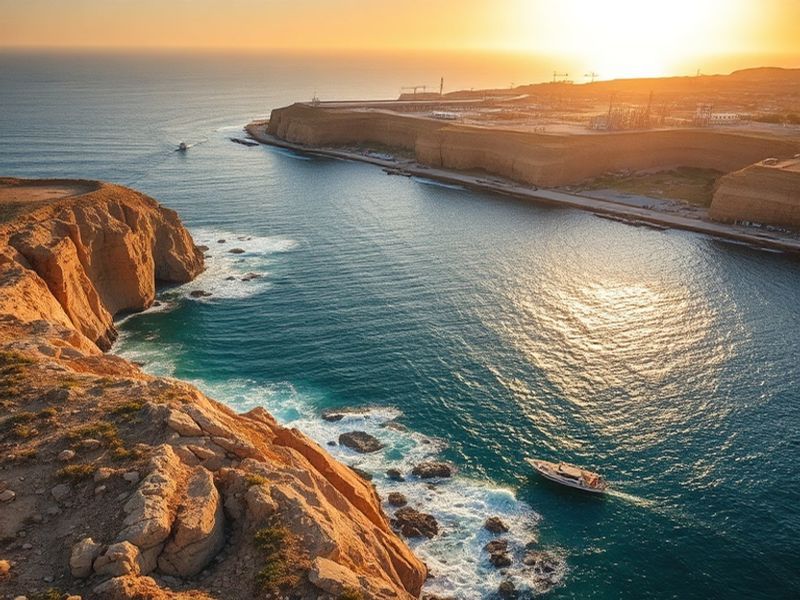
Kharg Island is situated approximately 25 kilometers off Iran’s southwestern coast, near the port city of Bushehr. Its location at the mouth of the Gulf makes it an ideal point for oil exports, particularly for fields in southwestern Iran. The island’s natural deep-water harbor accommodates large oil tankers, reducing the need for them to navigate the narrow Strait of Hormuz.
The island’s topography is dominated by rocky terrain and limited vegetation, though it supports a small population of hardy flora and fauna. Its arid climate and scarcity of freshwater have historically necessitated reliance on desalination and imports. Despite these challenges, Kharg’s strategic value has ensured its continuous development and militarization.
During the Iran-Iraq War (1980-1988), Kharg Island became a frequent target due to its economic importance. Iraqi air strikes in the early 1980s caused significant damage to its oil infrastructure, disrupting Iran’s export capabilities for months. The island’s resilience in the face of such attacks underscored its indispensable role in Iran’s economic strategy.
Infrastructure and Facilities
Kharg Island is home to Iran’s largest offshore oil terminal, capable of handling up to 90% of the country’s crude oil exports. The terminal features multiple loading jetties, storage tanks, and a network of pipelines connecting it to onshore oil fields. The facility’s capacity is estimated at 5 million barrels per day, though actual exports fluctuate based on international sanctions and regional tensions.
The island also hosts a naval base, airstrip, and radar installations, underscoring its dual civilian and military significance. These facilities are part of Iran’s broader strategy to secure its maritime borders and protect critical infrastructure from external threats. Reports indicate that the Islamic Revolutionary Guard Corps (IRGC) maintains a strong presence on the island, further enhancing its defensive capabilities.
In addition to oil infrastructure, Kharg Island has limited residential and commercial areas. The population consists primarily of oil industry workers, military personnel, and their families. Basic amenities such as hospitals, schools, and markets are present, though life on the island is marked by isolation and harsh living conditions.
The Historical Context of Kharg Island
Kharg Island’s history dates back millennia, with evidence of human settlement as early as the 3rd millennium BCE. Archaeological findings suggest that the island served as a trading post for ancient civilizations, including the Elamites and Persians. Its position along maritime trade routes connecting Mesopotamia, the Indus Valley, and the Arabian Peninsula made it a valuable asset.
During the Sassanian era (224-651 CE), Kharg Island flourished as a hub for commerce and religious activity. The island became a center for the Nestorian Christian community, with remnants of a 5th-century church still visible today. This period also saw the construction of defensive structures, hinting at the island’s strategic importance even in antiquity.
The arrival of Islam in the 7th century CE marked a shift in the island’s cultural and political landscape. Arab conquerors established control over the region, integrating Kharg into the expanding Islamic empire. Over the centuries, the island changed hands multiple times, passing under the control of various regional powers, including the Portuguese, Dutch, and British.
By the 20th century, Kharg Island’s fortunes rose with the discovery of oil in Iran. The Anglo-Persian Oil Company (later BP) began exporting oil from the island in the 1920s, laying the foundation for its modern role. The nationalization of Iran’s oil industry in 1951 further cemented Kharg’s position as the country’s primary oil export terminal.
Kharg Island in the Modern Era: Challenges and Opportunities
Today, Kharg Island faces a complex set of challenges and opportunities. International sanctions, particularly those imposed by the United States, have severely restricted Iran’s ability to export oil through conventional channels. In response, Iran has developed alternative strategies, including the use of “ghost fleets” of aging tankers and covert shipping routes to evade detection.
Despite these challenges, Kharg Island remains a vital artery for Iran’s economy. The government continues to invest in upgrading the island’s infrastructure, including expanding storage capacity and improving transportation links. Recent reports indicate that Iran is exploring the possibility of constructing a new oil terminal on the island to enhance its export capabilities.
Geopolitical tensions in the Persian Gulf add another layer of complexity to Kharg Island’s future. The island’s proximity to regional flashpoints, such as the Strait of Hormuz and the ongoing conflicts in Yemen and Syria, makes it a potential target for retaliatory strikes or sabotage. The presence of foreign military forces, including the U.S. Navy’s Fifth Fleet, further heightens the stakes.
Environmental and Humanitarian Concerns
Beyond its economic and strategic significance, Kharg Island faces pressing environmental and humanitarian issues. The island’s ecosystem is fragile, with limited biodiversity and high susceptibility to pollution. Oil spills and industrial runoff pose significant threats to marine life, particularly the endangered green sea turtle, which nests on Kharg’s beaches.
Humanitarian conditions on the island are equally concerning. Workers employed at the oil terminal often endure grueling conditions, with reports of labor rights abuses and inadequate healthcare. The isolation of the island exacerbates these challenges, as access to medical care and other essential services is severely limited.
International organizations, including the United Nations, have called for greater attention to the environmental and humanitarian impacts of oil production on Kharg Island. Advocacy groups argue that Iran must balance its economic interests with sustainable practices and the well-being of its workforce.
The Future of Kharg Island
The trajectory of Kharg Island hinges on several key factors, including geopolitical developments, technological advancements, and Iran’s domestic policies. One potential game-changer is the revival of the Joint Comprehensive Plan of Action (JCPOA), commonly known as the Iran nuclear deal. If sanctions are lifted, Iran could significantly increase its oil exports, revitalizing Kharg Island’s role in the global energy market.
Technological innovation also presents opportunities for Kharg Island. Advances in desalination and renewable energy could alleviate the island’s water and power shortages. Additionally, digitalization and automation in oil production could enhance efficiency and reduce the environmental footprint of operations on the island.
However, the future of Kharg Island is not without risks. Escalating tensions in the Persian Gulf, particularly between Iran and its regional rivals, could lead to further disruptions in oil exports. The ongoing rivalry between Iran and Saudi Arabia, as well as the presence of foreign military bases, adds to the volatility of the region.
For now, Kharg Island remains a symbol of Iran’s resilience and determination. Its ability to adapt to changing circumstances will determine whether it continues to thrive as a vital economic and strategic asset or succumbs to the pressures of geopolitical conflict and environmental degradation.
Visiting Kharg Island: A Rare Opportunity
Due to its strategic and economic importance, access to Kharg Island is tightly controlled by Iranian authorities. Foreign tourists and journalists are rarely granted permission to visit, and those who do require special permits and escorts. The island’s infrastructure is not designed to accommodate large numbers of visitors, limiting its appeal as a tourist destination.
For those with the necessary permissions, a visit to Kharg Island offers a unique glimpse into Iran’s oil industry and its broader economic challenges. The island’s stark landscapes, juxtaposed with its industrial facilities, create a striking visual contrast. Visitors can explore historical sites, such as the ancient church, and witness the daily operations of one of the world’s most critical oil terminals.
For more insights into Iran’s energy sector and regional dynamics, visit our Energy and Geopolitics category pages.